Written scope
What we will repair and the price
Built-Up Roof Leak Repair Alhambra CA starts with finding the actual source, not guessing at the stain on your ceiling. We work on tar-and-gravel, modified bitumen, and membrane flat roofs all over Alhambra, California, sealing seams, flashing, and penetrations so water stops coming in. If your roof is leaking now, call (626) 640-8498 and we will get a crew out.

Every built-up roof leak repair includes a full inspection, source confirmation, the repair itself, and a water test before we leave. Here is what you get, and what would be a separate scope if your roof needs more than a repair.
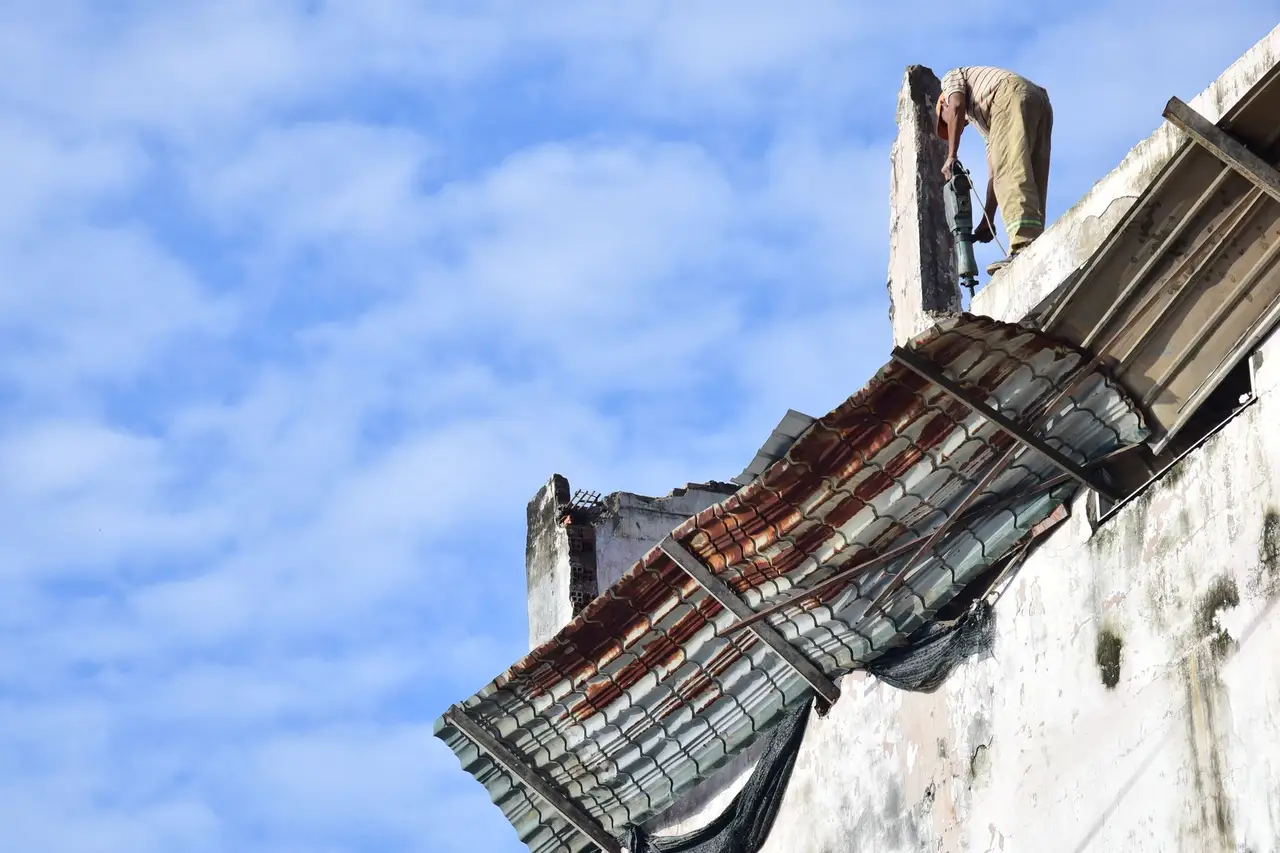

We repair flat and low-slope roof leaks on Alhambra homes, including garage roofs, additions, and porch covers. You get a full inspection, a written price, and a water test before we leave.
We repair built-up roof leaks on commercial buildings with minimal disruption to tenants and operations. Property managers get photos, a written scope, and a water test.
Built-up roof leak repair is the process of locating water entry on a layered asphalt roof, opening the failed area, and rebuilding the membrane so it sheds water again. A built-up roof, often called BUR or tar-and-gravel, is made of alternating layers of reinforcing felt and asphalt, finished with a surfacing of gravel or cap sheet. When a seam opens, a blister forms, or flashing pulls away from a vent or parapet, water travels sideways under the layers and shows up far from the actual hole. We trace it back to the source before we touch anything.
In Alhambra, most built-up roofs sit on older commercial buildings, duplexes, and mid-century homes with low-slope sections. Summer heat bakes the asphalt, winter rain finds every open seam, and ponding water sits in low spots that were never graded right. If you have been searching for built-up roof leak fixing near me Alhambra, the fix is usually a targeted repair rather than a full tear-off. We handle both, and we tell you honestly which one your roof actually needs.
Find the source first, repair the membrane, then test with water before leaving.
Every job follows the same order: find the source, protect the interior, repair the membrane, test it, and document what we did. Here is what you can expect from the first call to the final walkthrough.
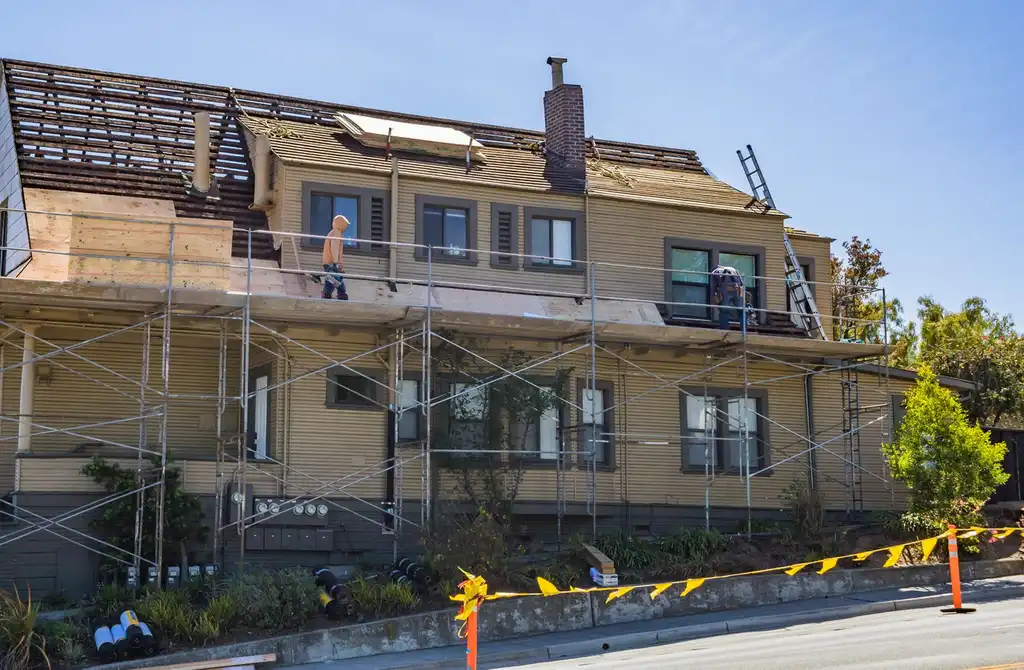
You call (626) 640-8498 and describe what you are seeing: ceiling stain, drip, ponding, or a soft spot. We ask when it started, whether it follows rain, and where the stain is. That tells us whether to bring tarping gear or just repair tools, and we schedule a same-day or next-morning visit.
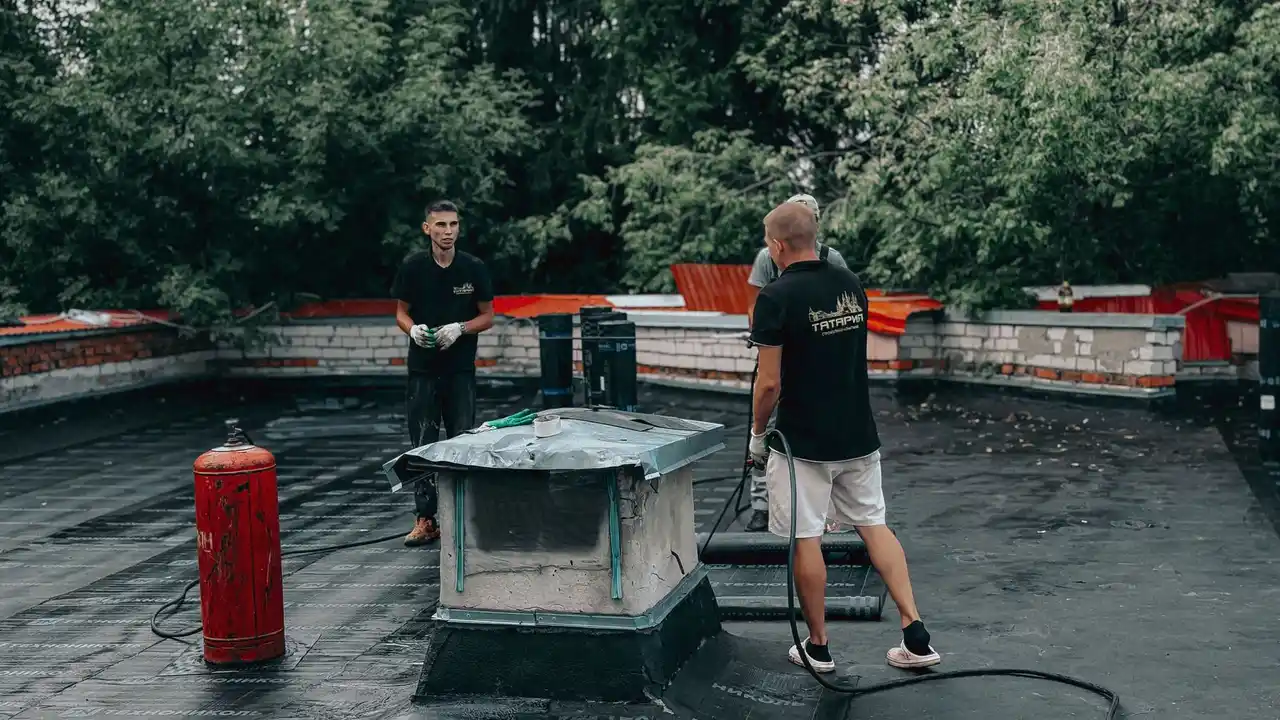
On site, we walk the roof with a moisture meter and, when needed, an infrared thermal imaging camera to map wet insulation under the membrane. We check seams, flashing, vent boots, drains, and parapet walls. Most inspections take 30 to 60 minutes, and we show you photos of what we find.
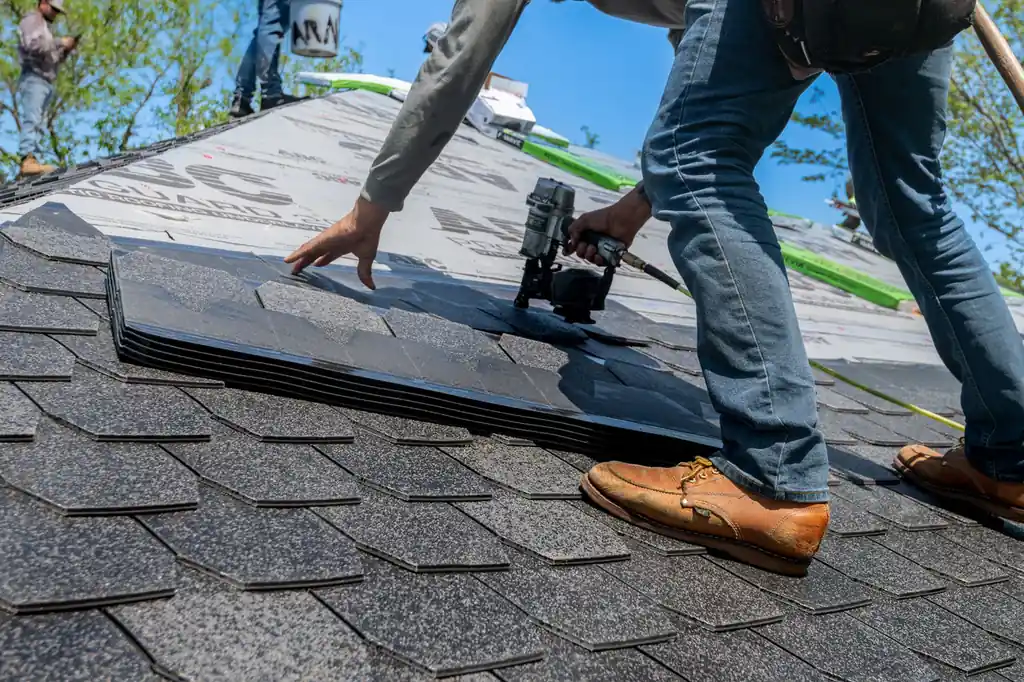
We do not repair until we know where the water is entering. If the stain is 15 feet from the actual breach, we still fix the breach. We mark the area, explain the cause in plain terms, and give you a written scope and price before any material is opened.
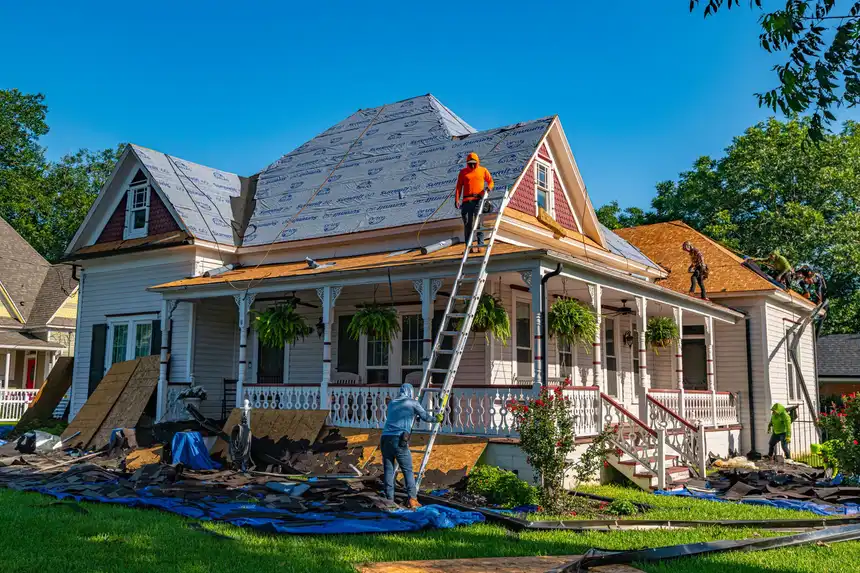
We cut back the failed membrane, dry the area, and rebuild it with new ply sheet and asphalt or a compatible cap sheet. Seams get sealed with roof cement and reinforcing fabric, flashing gets re-secured, and fasteners get re-set. A typical repair takes two to four hours on site.
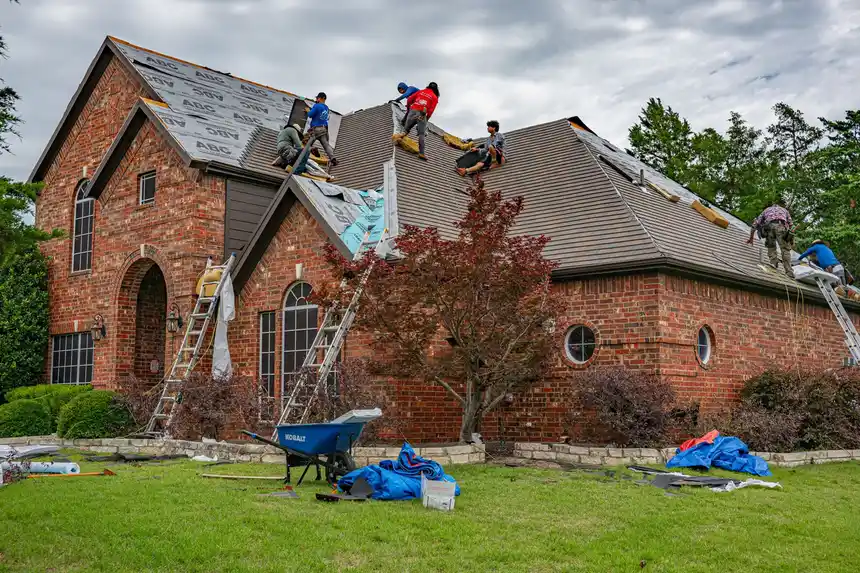
Before we leave, we run a hose test over the repaired area and watch the interior for any sign of movement. We sweep the roof, haul off old material, and send you photos of the finished repair. If a follow-up visit is needed, it is scheduled at no extra charge.
Shows temperature differences on the roof surface that reveal wet insulation under the membrane. This is how we find leaks that are not visible from above.
Confirms wet areas in the roof assembly and helps us map the extent of the damage before we open anything up.
Safe access to low-slope and flat roofs. We follow OSHA safety certification standards on every job.

Used to open failed seams and cut back damaged membrane so we can rebuild the layers correctly.
Applies Henry or DAP roof cement and sealant to seams, flashing, and penetrations. The right product for the right surface matters.
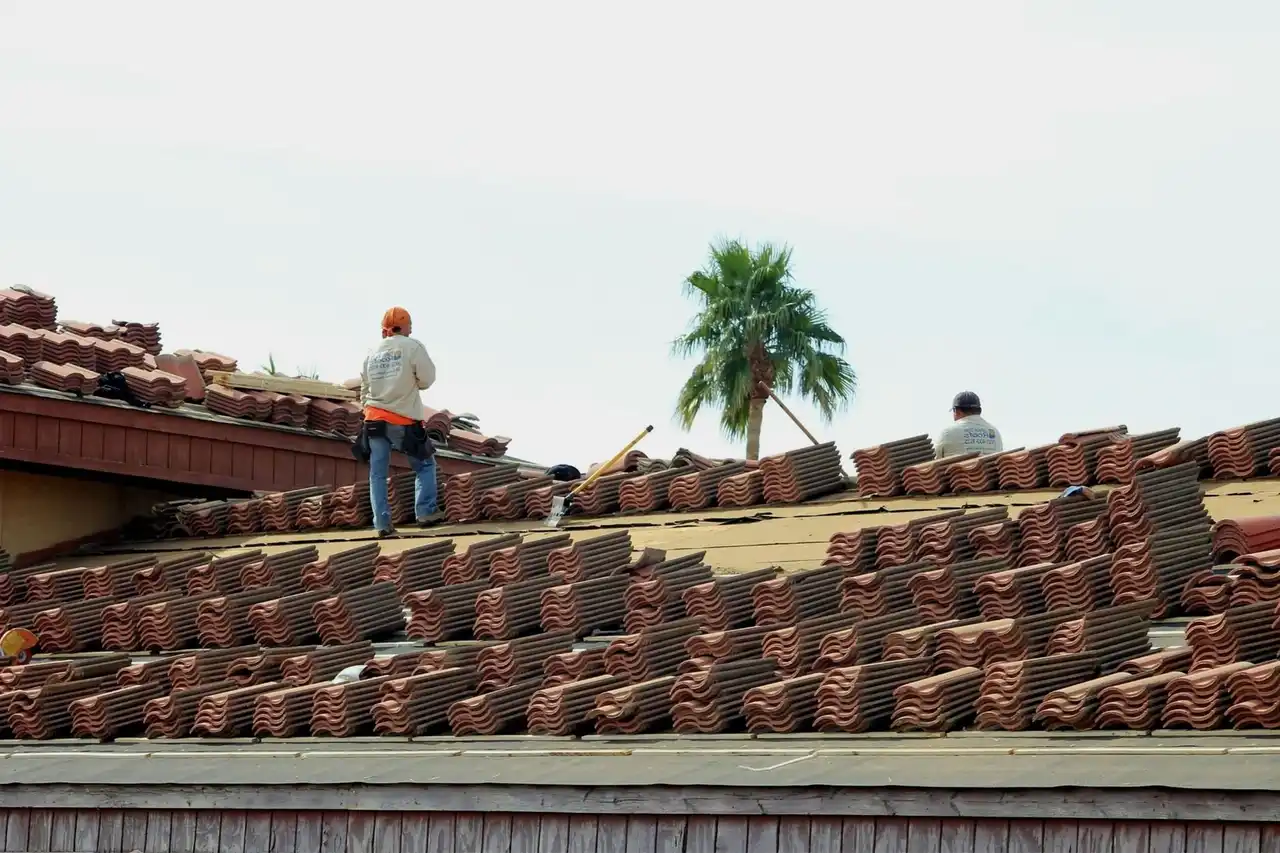
Used for the final water test over the repaired area. We watch the interior while the water runs to confirm the leak is stopped.
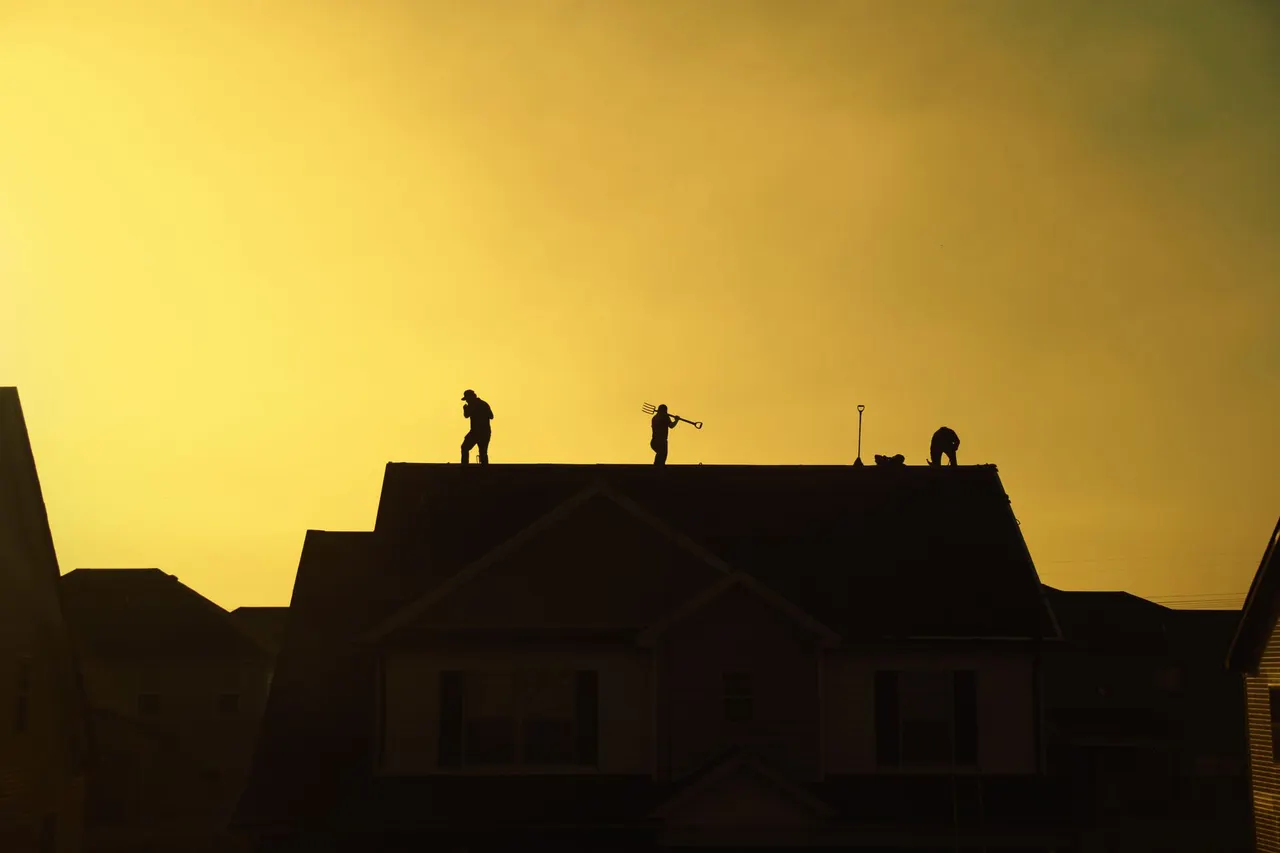
We scan the roof with an infrared thermal imaging camera to find wet insulation under the membrane. This narrows the search area before we open anything, so we are not cutting into dry roof.
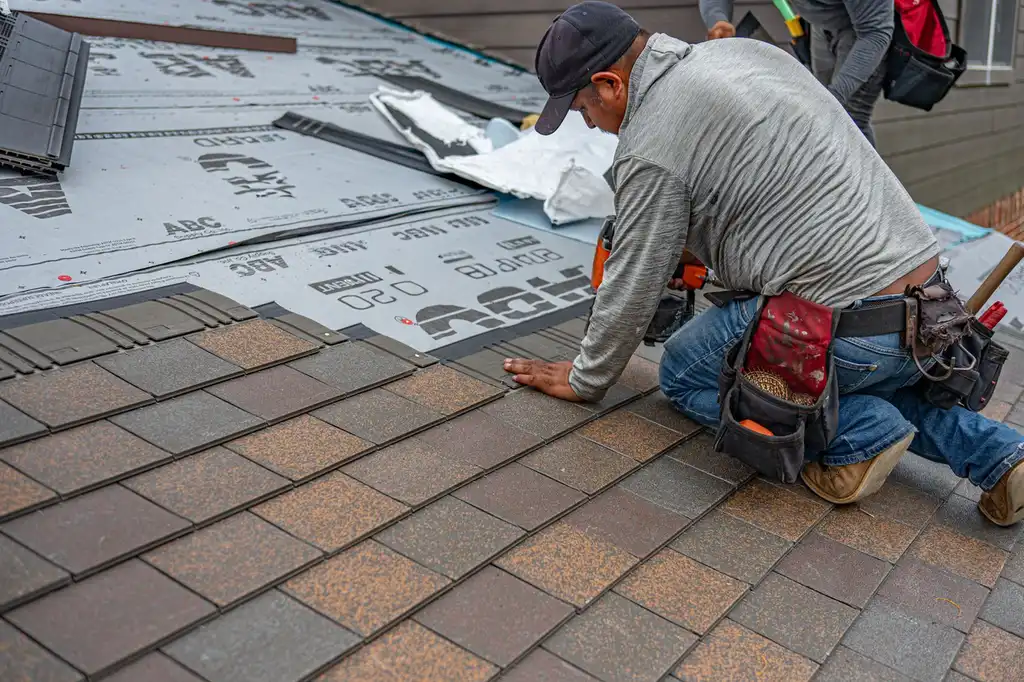
A moisture meter is used at grid points across the roof to map the wet area. This tells us how far the water has traveled and whether a targeted repair is enough or a larger section needs to come out.
We inspect the roof above and around the stain, trace the water back to its entry point, and repair the source. Most of these turn out to be flashing or seam failures that can be fixed in a single visit. The leak is stopped, the ceiling can dry out, and you avoid the cost of replacing soaked insulation and drywall.
Repeat leaks usually mean the original repair missed the source. We do a full inspection with a moisture meter and infrared camera to find what the previous patch did not address, then repair it correctly. You stop paying for the same repair twice and get a fix that holds through the next rainy season.
We inspect, document the leak and its cause, and provide a written scope and price for the repair. That documentation helps both sides of the transaction move forward. The repair is done before closing, and you have photos and a written scope for your records.
We tarp the roof to stop the water from entering, then schedule the permanent repair for the first dry day. Tarping is temporary, but it protects your interior until we can do the real fix. Your ceiling and belongings stay dry through the storm, and the permanent repair is scheduled without delay.
Alhambra's building stock is a mix of older commercial buildings, mid-century homes, and duplexes with low-slope roof sections. Many of these roofs are original built-up systems that have been patched over the years, and the patches are often the source of new leaks. Our summer heat bakes the asphalt and opens seams; our winter rain finds every gap. We work with the 91801, 91803, and 91804 ZIP codes regularly, and we know how the flat roofs on Alhambra's older buildings behave. If you need built-up roof leak fixing Alhambra, we start with a full inspection and tell you honestly whether a repair will hold or whether the roof is at the end of its life. We also serve nearby San Gabriel, Monterey Park, Rosemead, San Marino, Temple City, South Pasadena, Pasadena, and El Monte.
A homeowner in the 91801 ZIP code had a flat garage roof that had been leaking for months. Two previous patches had failed, and the ceiling was stained and soft. The actual source was an open seam 12 feet from the stain.
We opened the seam, dried the area, and rebuilt it with new ply sheet and cap sheet. The water test passed on the first try. The ceiling dried out over the next week, and the homeowner saved the cost of a full garage roof replacement.
We recommended a roof inspection every two years and keeping the drain clear of debris. Small seam repairs caught early are far cheaper than waiting for a leak.
A property manager in San Gabriel had a tenant complaining about a ceiling stain in a commercial building. The built-up roof had failed flashing around an HVAC curb, and water was running under the membrane.
We rebuilt the flashing around the curb, re-secured it to the substrate, and sealed the joint. The tenant complaint stopped, and the property manager avoided a more expensive repair down the line.
We scheduled an annual roof check before the rainy season. Catching flashing failures early is the cheapest way to protect a commercial roof.
After a heavy storm, a homeowner in Monterey Park had water coming through the ceiling. The built-up roof had a large open seam and the interior was getting wet fast.
We tarped the roof the same evening to stop the water, then returned two days later to do the permanent repair. The seam was rebuilt, the flashing was re-sealed, and the water test passed. The interior damage was limited to a small ceiling stain.
We recommended a full roof inspection before the next rainy season. Storm damage often reveals weak spots that were already there.
Most built-up roof leaks fall into a handful of categories. Here are the ones we see most often in Alhambra, and what happens if they are left alone.
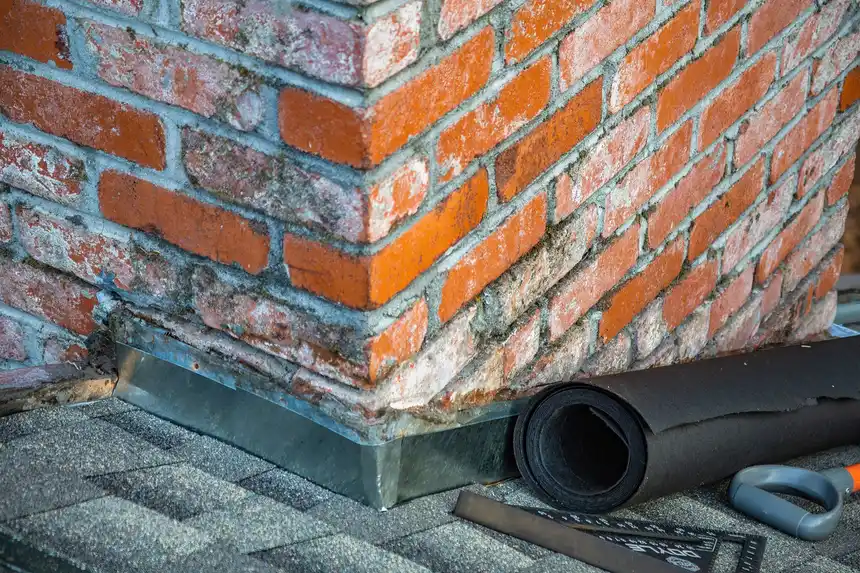
We open the seam, clean it, and re-seal it with compatible roof cement and fabric. If the seam has failed in multiple spots, we repair the whole run instead of just the visible gap. Water runs under the membrane and soaks insulation far from the seam. By the time you see a ceiling stain, the damage is already spread out.

We rebuild the flashing detail, re-secure it to the substrate, and seal the joint with material rated for the surface. We also check the counterflashing above it. Flashing pulls away from the wall or curb and lets water straight into the roof assembly. This is the number one cause of repeat leaks we see.
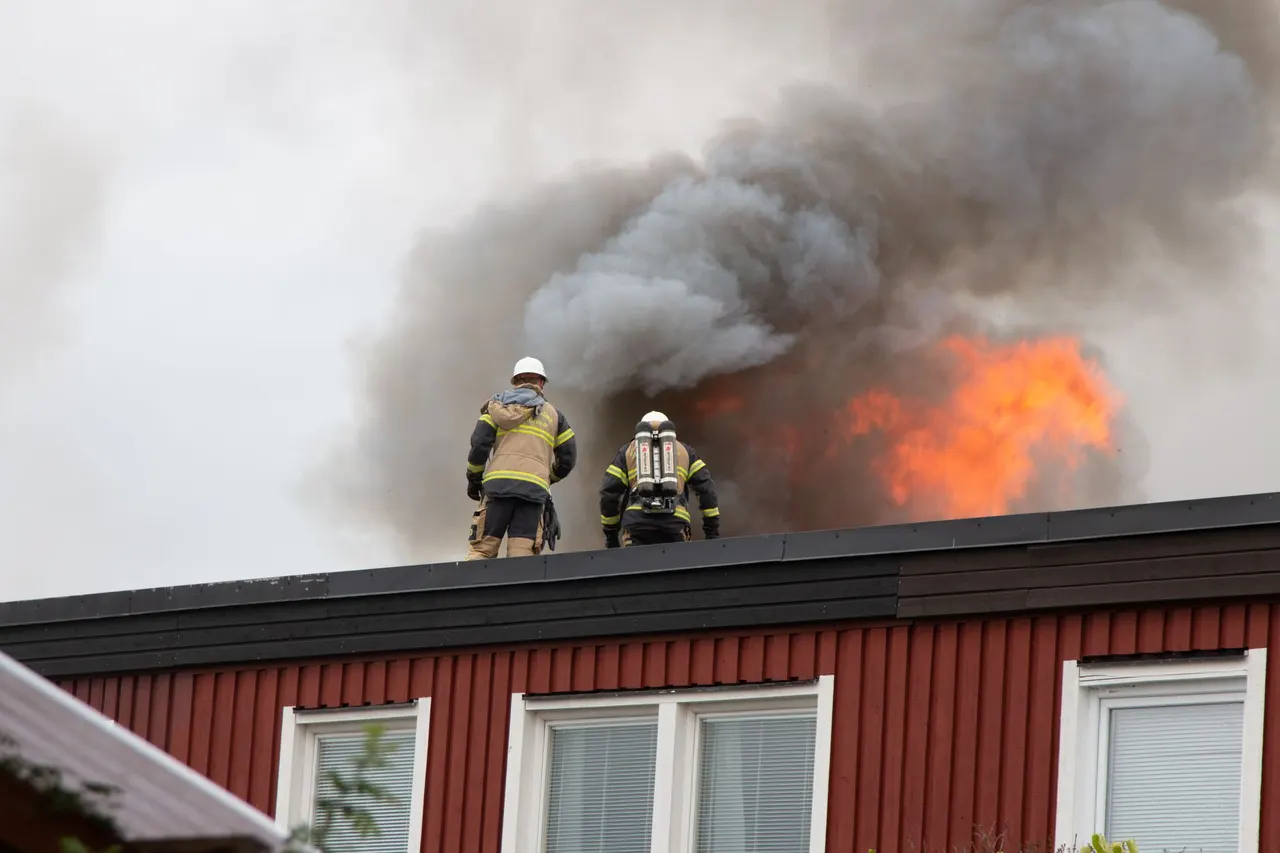
We re-grade the low spot with a compatible patching material or clear the drain if that is the cause. If the ponding is structural, we tell you and recommend the right fix. Standing water works its way through the membrane over time and accelerates deterioration. It also adds weight to the roof structure.
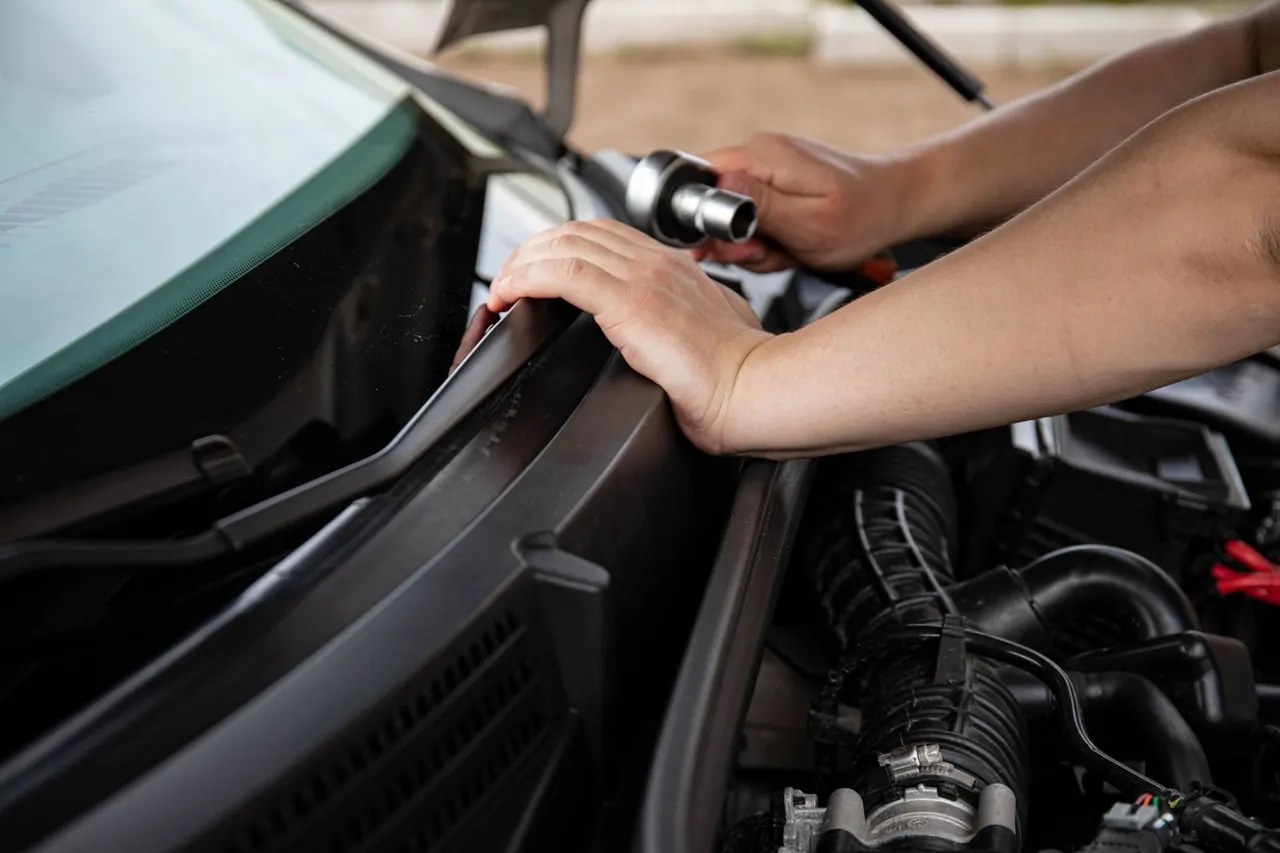
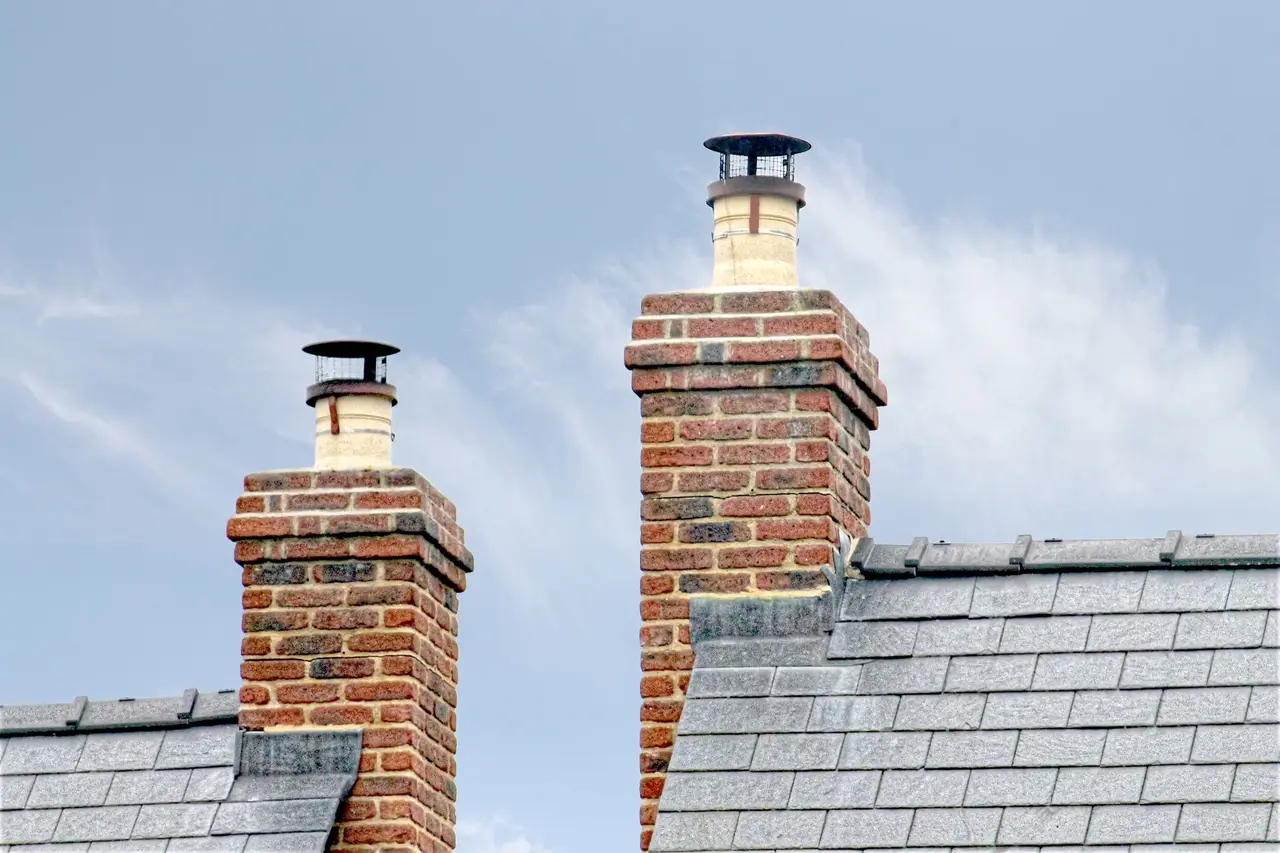
We replace the failed boot with a new one sized to the pipe, then seal the base to the membrane. This is a small repair that prevents a big problem. Rubber boots crack with age and sun exposure. Water runs down the pipe and into the attic or ceiling cavity.
Water that enters a built-up roof spreads sideways through the felt layers, so a leak the size of a coin can soak 20 square feet of insulation before you see a ceiling stain. Catching it in the first week usually means a repair, not a deck replacement.
A targeted seam or flashing repair runs a fraction of a full re-roof. When you call for affordable Built-Up Roof Leak Repair Alhambra CA before the deck softens, you keep the existing membrane and only pay for the failed section.
For commercial property owners, a flat roof leak means damaged ceiling tiles, complaints, and possible mold. Fixing the source protects inventory, keeps tenants in place, and avoids the cost of turning over a unit because of water damage.
A built-up roof that gets seam and flashing repairs every few years can outlast one that is ignored. We reseal, re-grade ponding spots, and re-coat where it helps, so you push replacement out by several seasons.
Clear records you can keep and share.
What we will repair and the price
Before and after photos of the repair
Hose test to confirm the leak is stopped
Water on a flat roof travels sideways under the membrane, so the leak is rarely above the stain. Finding the source takes tools, not guesswork.
A ceiling stain can be 10 to 15 feet from the actual entry point. We trace the water back to the source before quoting a repair.
Heat cycling opens seams before anything else fails. Most built-up roof leaks we find start at a seam or a flashing joint.
Water that sits in a low spot works through the membrane over time. Clearing the drain or re-grading the spot is part of the fix.
Not sure if we cover your area? Call and ask. (626) 640-8498
Most built-up roof leak repairs in Alhambra run $350 to $1,200 in 2026, depending on access, roof height, and how much membrane has to be replaced. A simple flashing or seam repair sits at the low end. A larger repair with wet insulation removal and decking work sits at the high end. We give you a written price before we start.
The most common causes we find are open seams from heat cycling, failed flashing at vents and parapets, and ponding water that sits in low spots and works its way through the membrane. Alhambra's summer heat and winter rain are hard on asphalt roofs. A moisture meter and infrared scan usually pinpoint the source in under an hour.
We do. Roof Repair Alhambra Pros handles built-up roof leak fixing for homes and commercial buildings across Alhambra and nearby San Gabriel, Monterey Park, and Rosemead. Call (626) 640-8498 and we will schedule an inspection, usually same day or next morning.
Yes, if the ponding is caused by a low spot or a clogged drain, we can re-grade the area or clear the drain as part of the repair. If the ponding is structural, we will tell you and recommend the right fix. Standing water is the number one cause of repeat leaks on flat roofs.
Call (626) 640-8498 and we will schedule an inspection, usually same day or next morning. We give you a written price before any work starts, and we do not leave until the leak is stopped and tested.
Call us at (626) 640-8498 or email info@roofrepairalhambrapros.com. We answer the phone during business hours and respond to emergency calls after hours. Same-day estimates are available for most jobs in Alhambra and surrounding areas.