Written scope
What failed, what we will do, what it costs
Leaking Roof Repair in Alhambra starts with finding the actual source, not guessing at the stain on your ceiling. We handle flashing leaks, vent boot leaks, skylight leaks, and flat roof ponding across Los Angeles County. If water is coming through tonight, call (626) 640-8498 and we will get a tarp on it and schedule the repair.
Every leaking roof repair we do covers the full job from inspection to water test. Here is what is part of the standard service, and what we handle as an add-on when the inspection turns up something beyond the original leak.
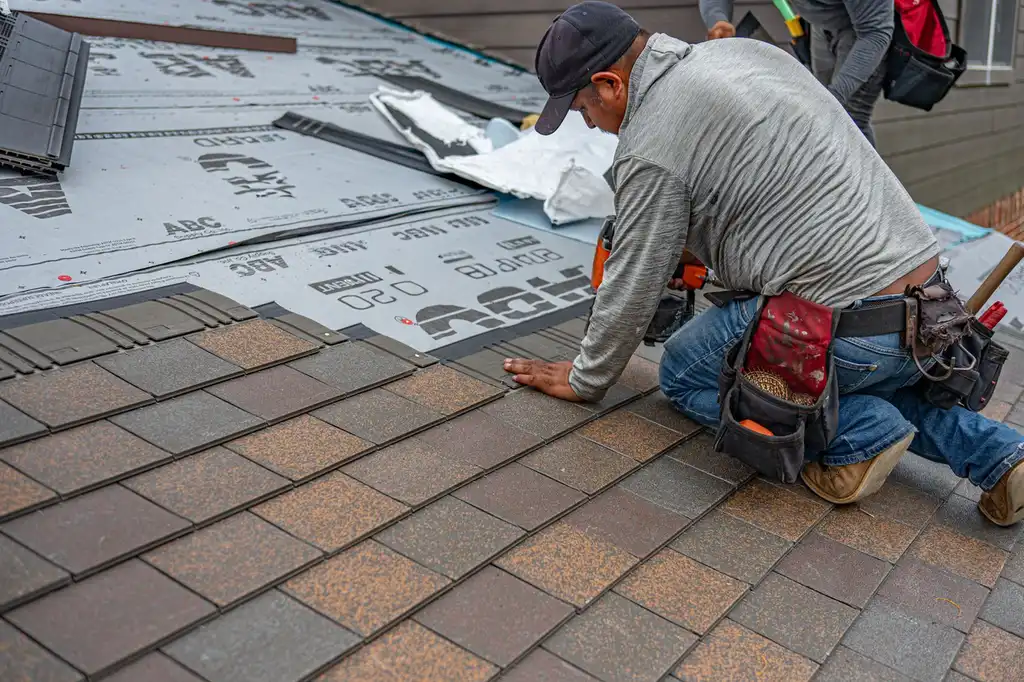
We repair leaks on single-family homes, duplexes, and small multi-unit buildings across Alhambra. You get told what failed and why before any material comes off your roof.
We work on flat and low-slope commercial roofs across Alhambra and document every repair with photos. Work is scheduled around your business hours where possible.
Leaking Roof Repair in Alhambra is the process of tracing water back to its entry point, repairing the failed component, and testing the repair with water before we leave. A stain on your ceiling rarely sits directly under the hole. Water enters at a flashing leak, a vent boot leak, or a roof valley leak, then travels along a rafter or underlayment before it drips. We use an infrared thermal imaging camera and a moisture meter to follow that path, then open only what needs opening.
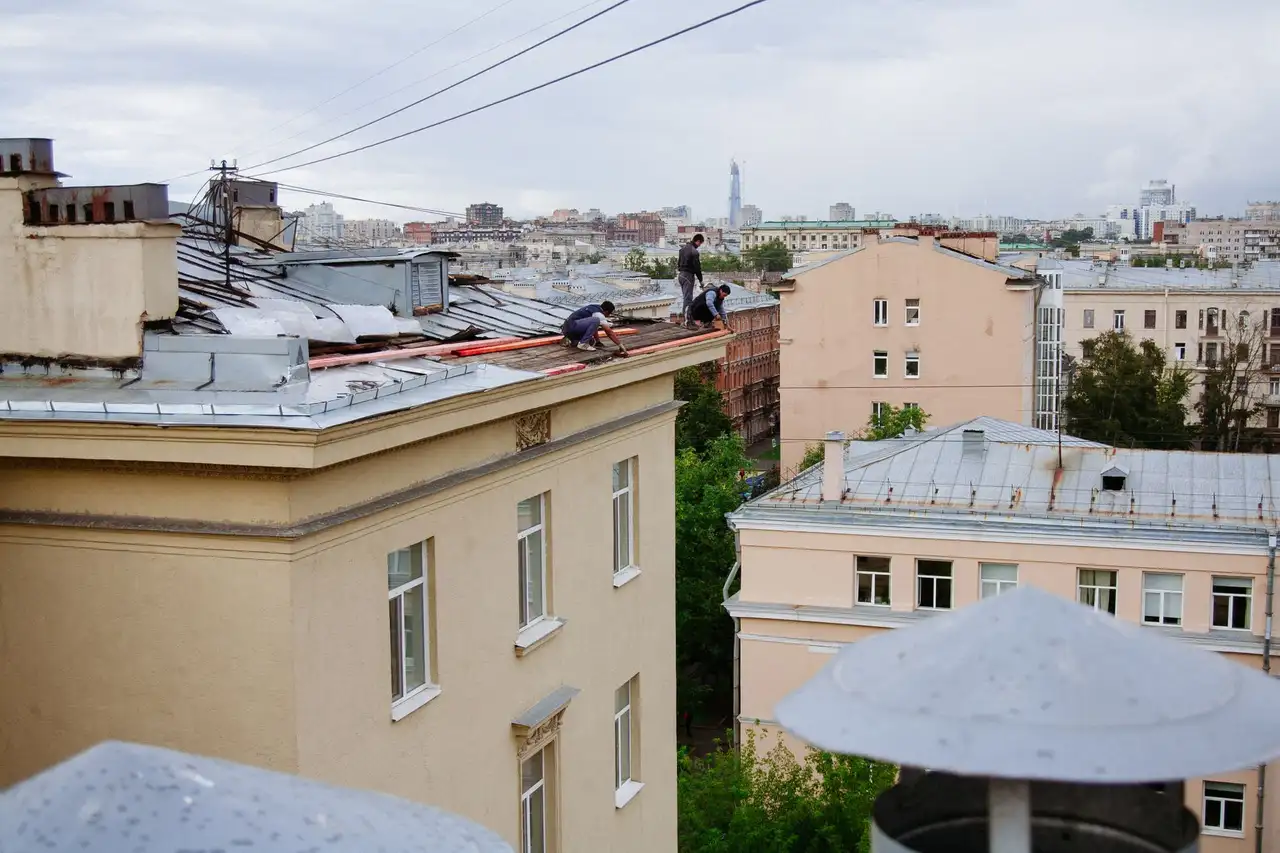
Alhambra roofs take a specific beating. Summer heat bakes asphalt shingles and sealant until they crack, then winter rain pushes through hairline gaps around chimney flashing and skylights. Older homes near Main Street and the Mission District often still carry original clay tiles or modified bitumen over flat sections, and both fail differently. If you have been searching for roof leak repair near me Alhambra at 9 p.m. with a bucket out, you are dealing with a problem we see every week.
Find the source, fix the detail, test it with water before we leave.
Five steps, no mystery. Here is exactly what happens from your first call to the final water test.

You describe where the water shows up and when it started. We ask about the roof type, age, and whether the leak follows heavy rain or shows up in dry weather too. That conversation usually narrows the likely source before we ever climb up, and it takes about ten minutes.
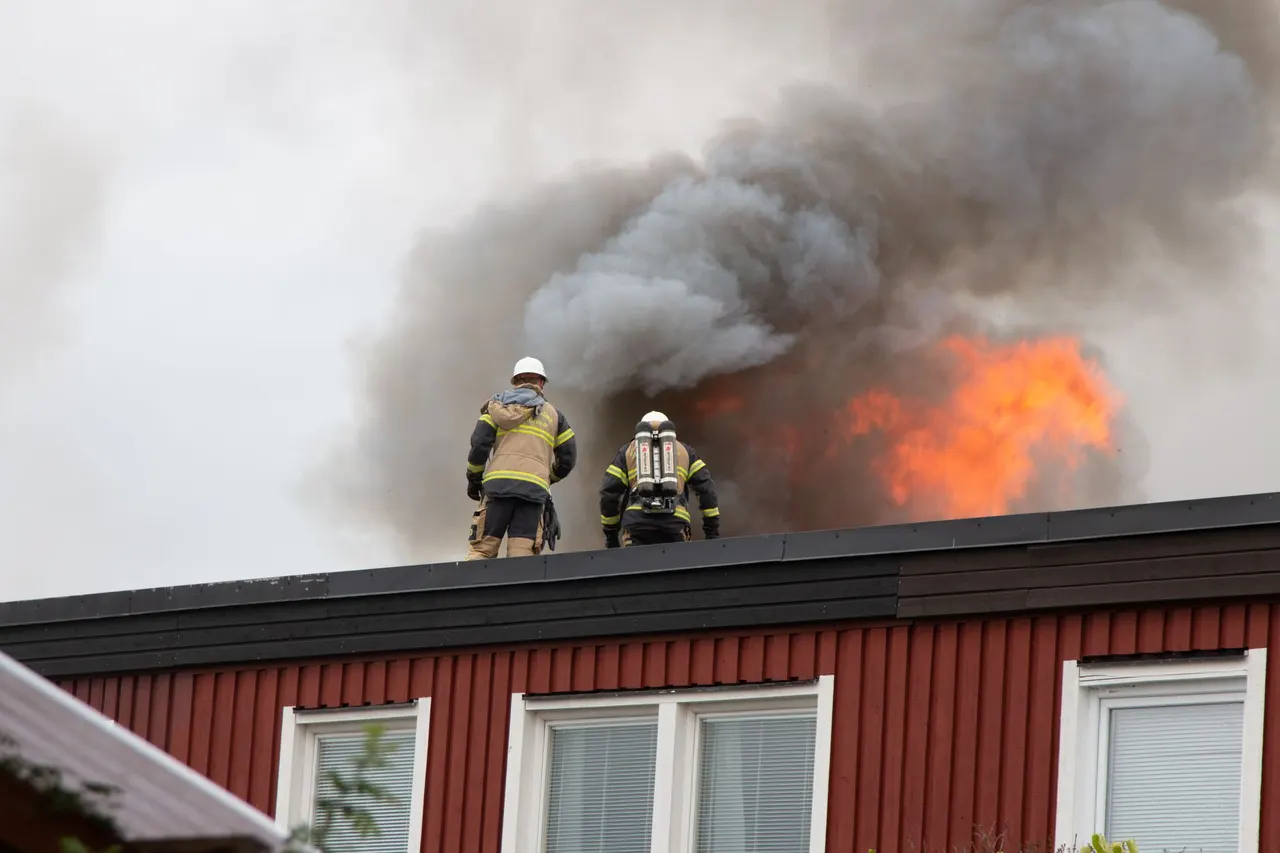
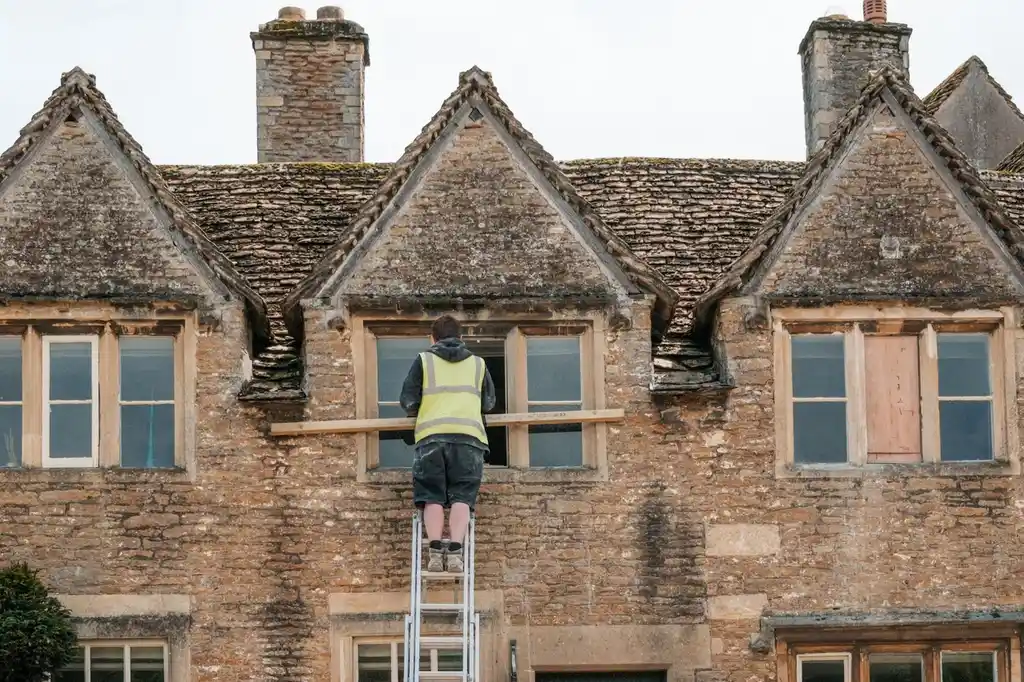
We set a roof ladder, walk the field, and check the usual suspects first: flashing, vent boots, skylight curbs, valleys, and seams. A moisture meter confirms which decking is wet and how far the water has spread. Expect 45 to 90 minutes depending on roof size and pitch.
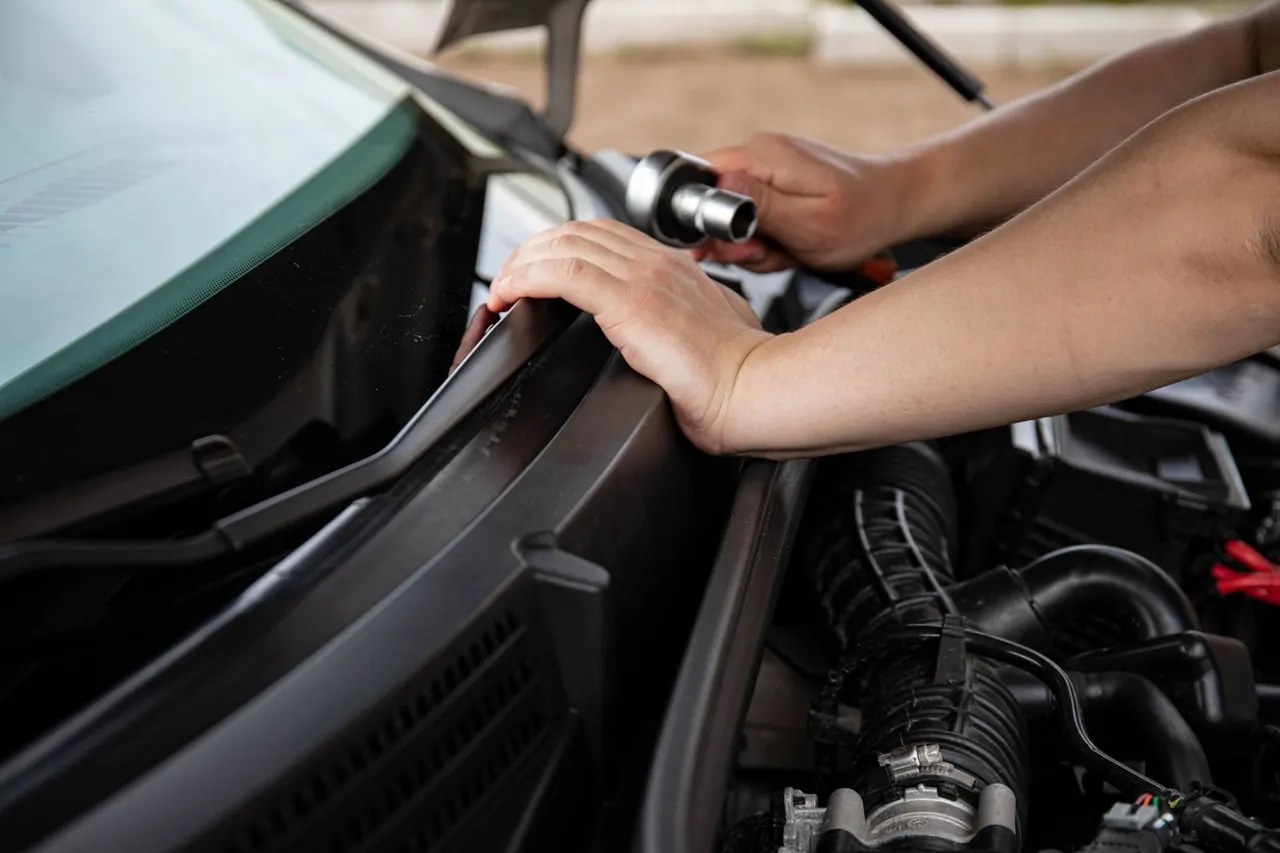
We do not repair what we have not confirmed. If the source is still unclear, we use the infrared camera from inside the attic and, when needed, a controlled water test with a hose to reproduce the leak on demand. You get a straight answer about what failed and why.
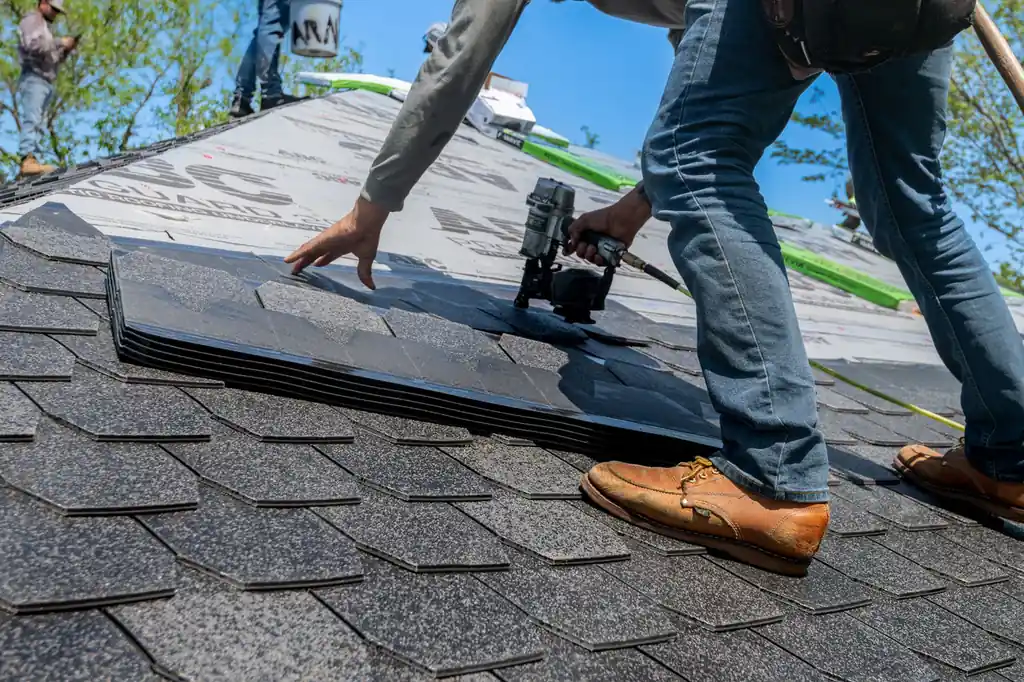
Most leaks are fixed in two to four hours. We remove damaged material with a pry bar and utility knife, replace underlayment, set new flashing or vent boot, and seal with roof cement and caulking gun-applied sealant. Nail gun work gets matched to the existing shingle course so the repair blends in.
Before we pack up, we run water over the repaired area and watch it from inside. If it stays dry, we clean the gutters of debris, magnet-sweep for nails, and walk you through what we did. You get photos of the before and after from the roof.
Reads temperature differences on the ceiling and roof deck to show where water is trapped, even when the surface looks dry. It is the fastest way to trace a leak that has not shown itself inside yet.
Confirms exactly which decking and framing members are wet, and how far the water has spread from the entry point. It tells us how much material needs to come out.
Gets us onto the roof safely without damaging gutters or the roof edge. We set it properly every time, on every roof, regardless of pitch.
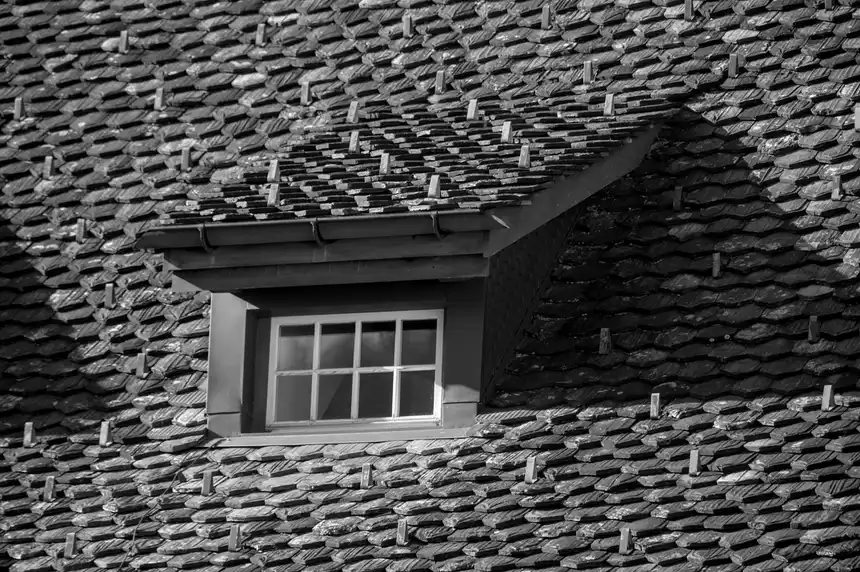
Used to lift shingles, open flashing, and cut away damaged underlayment cleanly so the repair can be built back in layers rather than patched over.

Applied sealant goes down in a controlled bead with the caulking gun. The nail gun sets new shingles and flashing at the correct depth and pattern to match the existing roof.
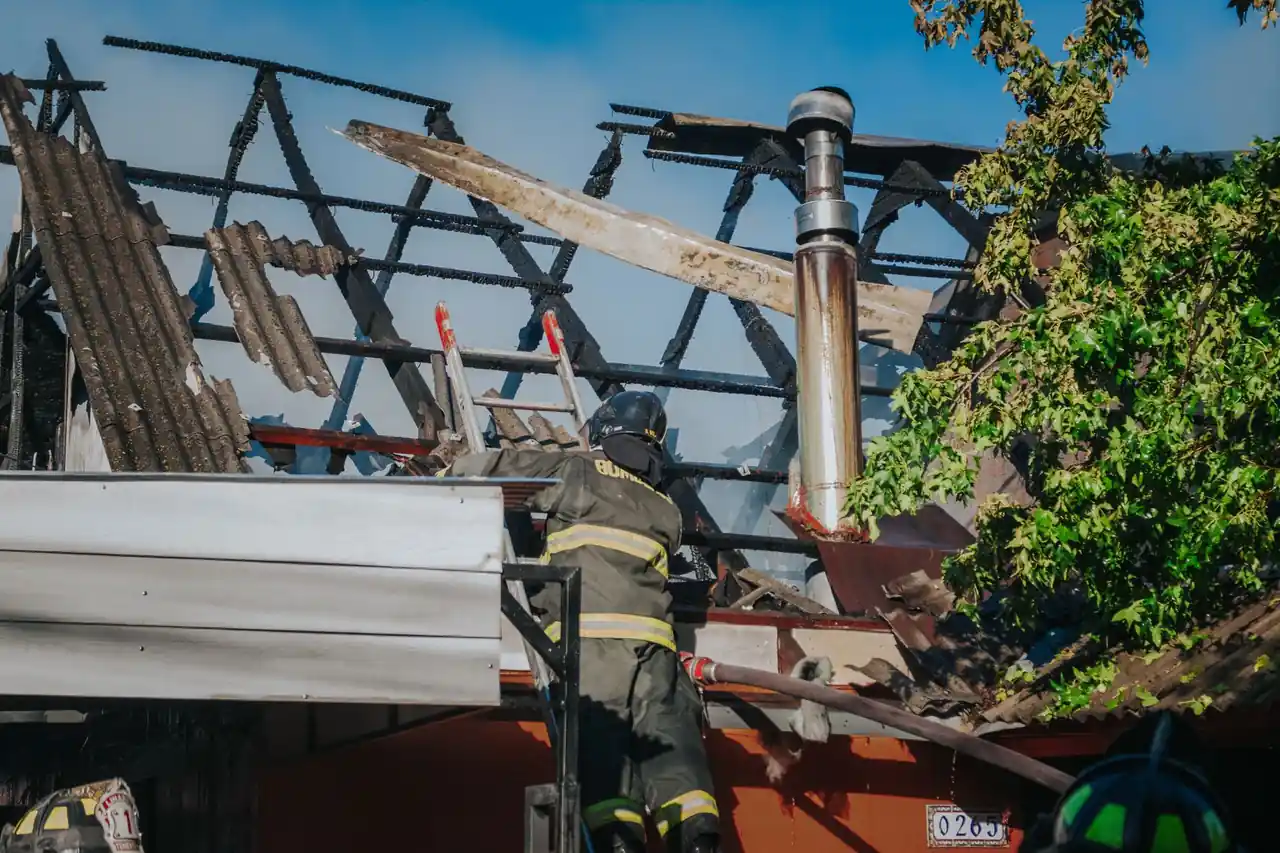
The tarp holds water out during a storm when a permanent repair cannot be done yet. The hose is how we water test a finished repair to prove it is dry before we leave.
We confirm the leak source with instruments before we open anything. That means less material removed, less disruption to your home, and a repair targeted at the actual failure rather than the visible symptom.

Underlayment, flashing, and surface material go back in the correct order and to the specification required by GAF, Owens Corning, CertainTeed, Carlisle SynTec, or Firestone. Skipping a layer is why patch jobs fail.
We inspect the roof above the stain, trace the water path with a moisture meter, and repair the entry point. Most cases like this turn out to be a flashing leak or a failed vent boot that has been quietly leaking for months. The stain stops growing, the roof is sealed, and you know whether the ceiling above it needs to be opened and dried.
We come out, tarp the affected section to stop the water, and schedule the permanent repair for the first dry day. The tarp is secured so wind does not tear it loose overnight. Your interior stops taking on water, your belongings are protected, and the real repair is already on the calendar.
We inspect the flat membrane, locate the seam or penetration that failed, repair it, and document the work with photos. If ponding caused the failure, we correct the drainage at the same time. The tenant stops calling, the repair is documented for your property records, and the roof drains the way it should.
We inspect the flagged area, confirm whether the leak is active or already repaired, and give you a clear picture of what needs to be done before closing. If a repair is needed, we can schedule it quickly. You go into the transaction knowing exactly what the roof needs, with no surprises after the sale.
Alhambra roofs live through a specific cycle. Summer heat pushes surface temperatures well past 140 degrees on dark shingles, which bakes sealant and cracks rubber vent boots. Then the winter rains arrive and find every one of those hairline failures. Older homes in the city often carry original clay tile or modified bitumen over flat sections, and both materials fail in ways that are not obvious from the ground. We work around that by inspecting from the attic side as well as the roof, using a moisture meter to confirm what is actually wet. If you need affordable leaking roof repair Alhambra CA homeowners can count on, the answer is usually a targeted repair at the failed detail, not a full tear-off. We also handle emergency leaking roof repair Alhambra CA calls when a storm is actively pushing water into your home, tarping the section and returning when conditions allow a permanent fix.
A homeowner in Alhambra had a spreading brown stain on the kitchen ceiling that grew with every rain. Two other contractors quoted a full roof replacement. The actual cause was a cracked rubber vent boot about six feet from the stain.
We replaced the vent boot, resealed the penetration, and water tested the area. The repair took under two hours. The ceiling stayed dry through the rest of the rainy season, and the homeowner avoided a full replacement.
Check vent boots every couple of years, especially after a hot summer. A cracked boot is a five-minute visual inspection from the roof and a small repair if caught early.
A small commercial building in Alhambra had a modified bitumen flat roof with standing water after every storm and a recurring ceiling leak in one tenant space. The ponding had been there for years and the seam had finally opened.
We repaired the open seam with new cap sheet, cleared the blocked drain, and corrected the low spot that was holding water. The tenant space stayed dry through the next rainy season, and the ponding was gone.
Clear the drains before the rainy season starts each fall. Standing water is the number one cause of flat roof membrane failure, and a cleared drain prevents most of it.
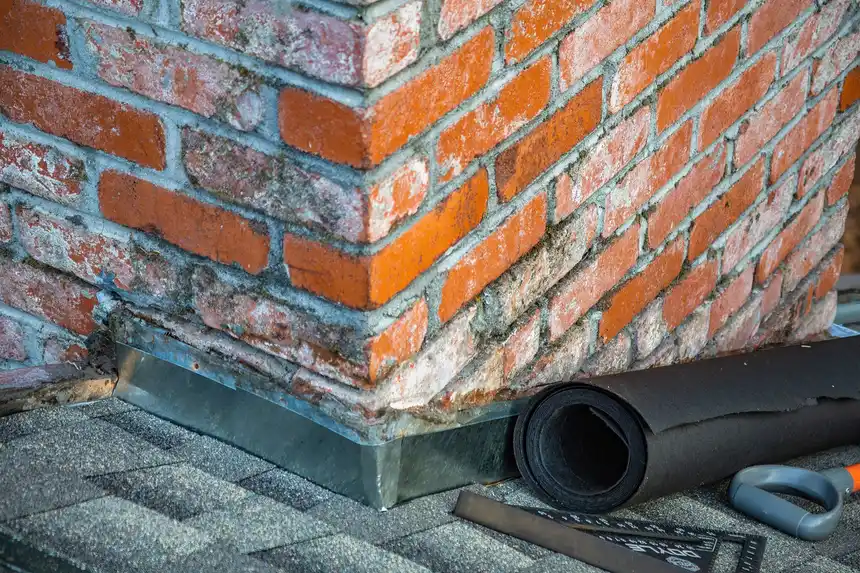
A home near the Mission District had water coming down the chimney chase and staining the wall beside it. The step flashing had lifted and the masonry joint had opened, letting water behind the tile field.
We rebuilt the step flashing and counter-flashing, replaced the rotted sheathing we found behind it, and resealed the masonry joint. The wall stayed dry through two winters after the repair.
Have the chimney flashing inspected once a year, ideally in early fall. The masonry joint sealant is the first thing to fail and the easiest to catch before water gets behind it.
Most leaks fall into a handful of categories. Here are the ones we see most often in Alhambra, and what happens if you leave them alone.
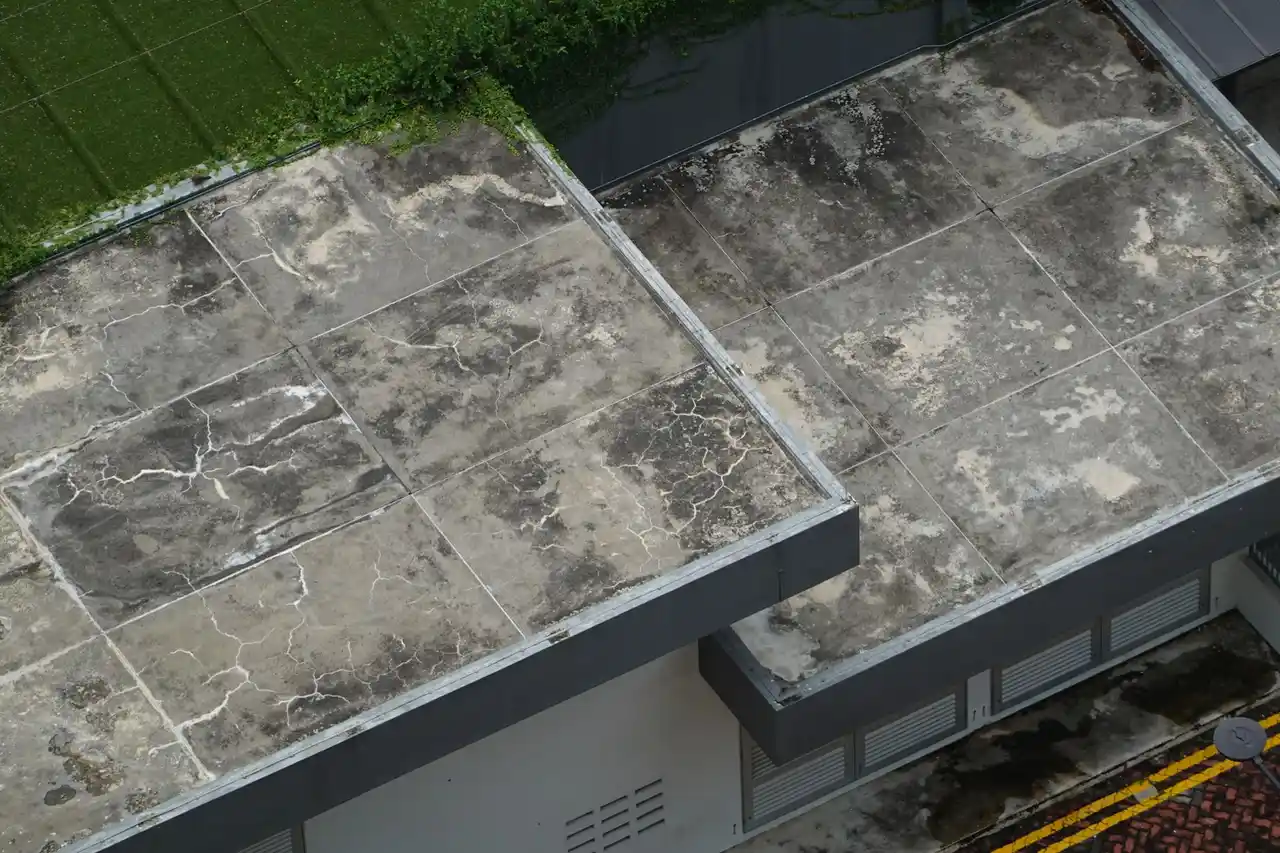
We trace the water path from the attic side with a moisture meter and infrared camera, repair the roof entry point, and tell you whether the ceiling and insulation above the stain need to be opened and dried. The stain is the visible end of a water path that has already soaked insulation and possibly the drywall above it. Left alone, it turns into mold, sagging drywall, and a much larger repair bill.
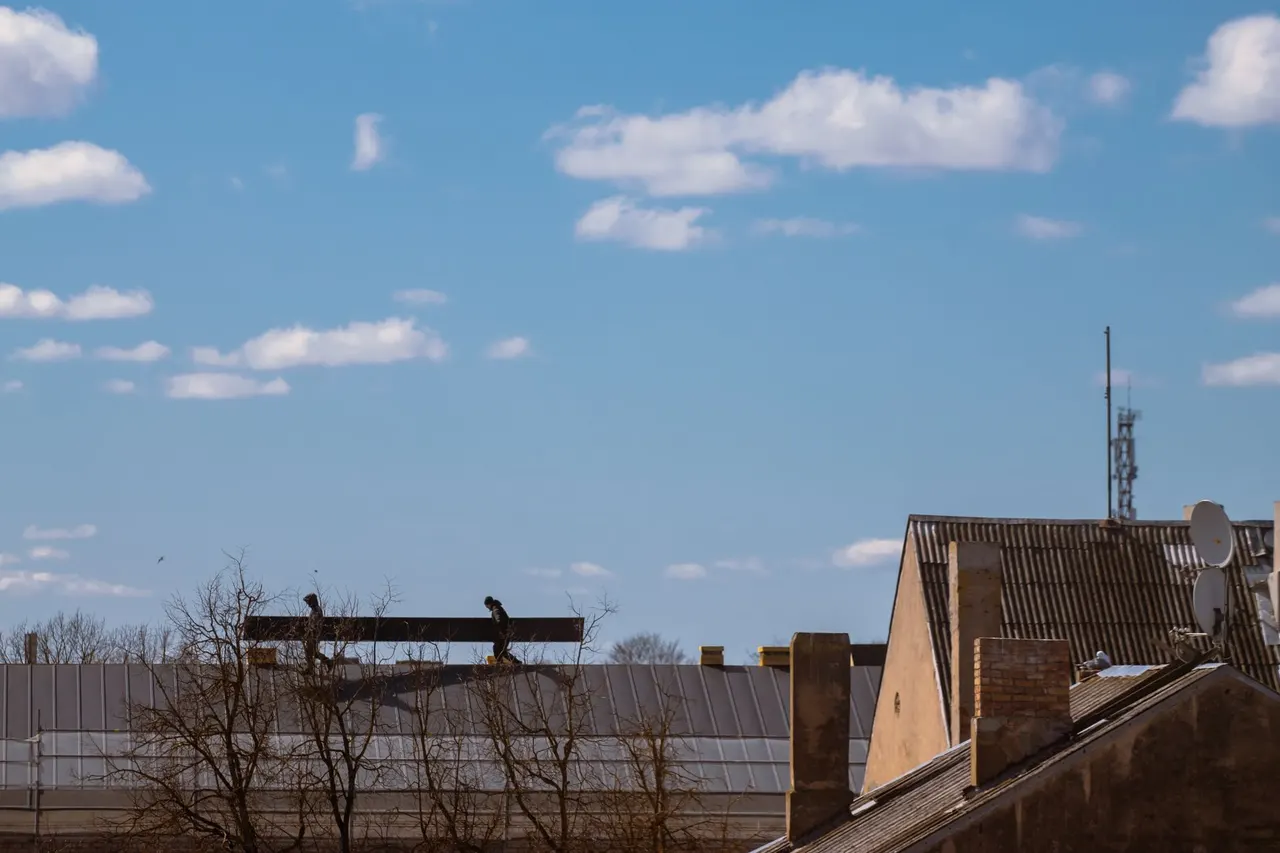
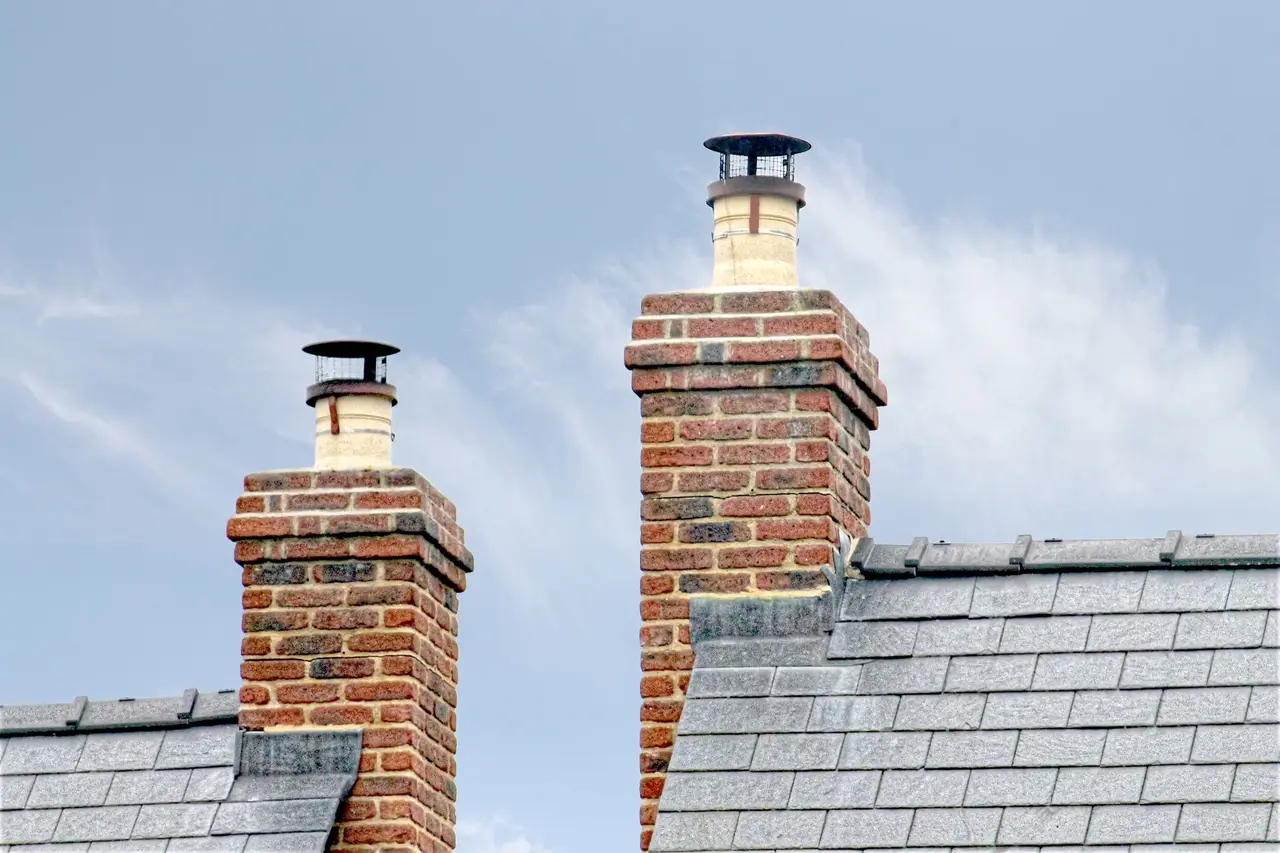
We rebuild the step flashing and counter-flashing around the chimney, replace any rotted sheathing we find, and seal the masonry joint with the correct product for the surface. Then we water test the whole detail. Flashing leaks are slow and steady. They rot the sheathing and framing around the chimney over months, and by the time the ceiling shows it, the damage behind the wall is often significant.

We repair the membrane at the leak point, then address the drainage so water does not sit there again. That may mean clearing a blocked drain, adding a tapered section, or correcting a low spot in the deck. Standing water finds every seam and pinhole in a flat membrane. Ponding also adds weight to the structure and shortens the life of the membrane by years, even when it is not actively leaking yet.
We inspect the curb flashing and the glass-to-frame seal, determine which one failed, and repair it. If the curb itself is rotted, we rebuild it and reset the skylight so the detail drains properly. Skylight leaks stain ceilings, damage trim and paint, and can short out light fixtures if the water reaches the wiring. They also get worse fast because the curb flashing is fully exposed to weather.
We run an infrared thermal imaging camera across the ceiling and attic decking to map where water is actually sitting. Most Alhambra leak calls get a confirmed source the same day you call, which means no tearing out drywall to hunt for it.
Cheap sealant smeared over a flashing leak fails by August. We rebuild the flashing, replace the underlayment, and set new roof cement and sealant rated for the temperature swings Alhambra sees between a 100-degree July and a wet January.
If rain is coming through right now, we can tarp the affected section to stop interior damage while we schedule the permanent repair. That protects your ceilings, insulation, and anything stored in the attic from a second night of water.
Alhambra has plenty of both. We repair TPO membrane, EPDM membrane, modified bitumen, and built-up roofs alongside standard asphalt shingle and tile systems, so you are not calling three different contractors for one house.
Clear records you can keep and share.
What failed, what we will do, what it costs
Before and after images from the roof
Confirmed dry before we pack up
The stain on your ceiling is almost never directly under the hole in the roof. Water enters at one point and travels along framing before it drips.
Water enters at a flashing or vent detail and runs along a rafter before dripping inside. That is why the stain and the leak source are often several feet apart.
A cracked vent boot lets in a small amount of water every storm. Over a season, that small amount rots sheathing and insulation behind the ceiling.
A repair is not finished until water has been run over it and watched from inside. Skipping that step is why so many patch jobs leak again on the next storm.
Not sure if we cover your area? Call and ask. (626) 640-8498
Most residential repairs run $350 to $1,200 in 2026, with simple vent boot or flashing repairs at the low end and valley or flat membrane work at the high end. Emergency tarping is a separate smaller charge. The biggest cost drivers are roof pitch, roof type, and how much wet decking has to be replaced once we open it up.
We do, and we are local to the area. Roof Repair Alhambra Pros covers Alhambra and the surrounding San Gabriel Valley, including San Gabriel, Monterey Park, and Rosemead. Call (626) 640-8498 and describe what you are seeing. We will tell you on the phone whether it sounds like an active leak or something that can wait for a scheduled visit.
A standard flashing, vent boot, or shingle repair takes two to four hours on site. Valley leaks and flat membrane repairs often run four to six hours because the layers underneath have to be rebuilt. If we find rotted decking, add a day for the material to be replaced and the repair finished properly.
Permanent repairs need dry conditions for sealant and membrane to bond correctly. In active rain we tarp the affected section to stop the water, then return when the roof is dry to do the real repair. That tarp is not a patch, it is a hold, and we schedule the permanent fix before we leave your driveway.
Water damage gets more expensive every day you wait. Call (626) 640-8498 and describe what you are seeing. We will tell you whether it needs a same-day visit or a scheduled repair, and we will give you a clear price before any work starts.
Call us at (626) 640-8498 or email info@roofrepairalhambrapros.com. We answer the phone during business hours and respond to emergency calls after hours. Same-day estimates are available for most jobs in Alhambra and surrounding areas.