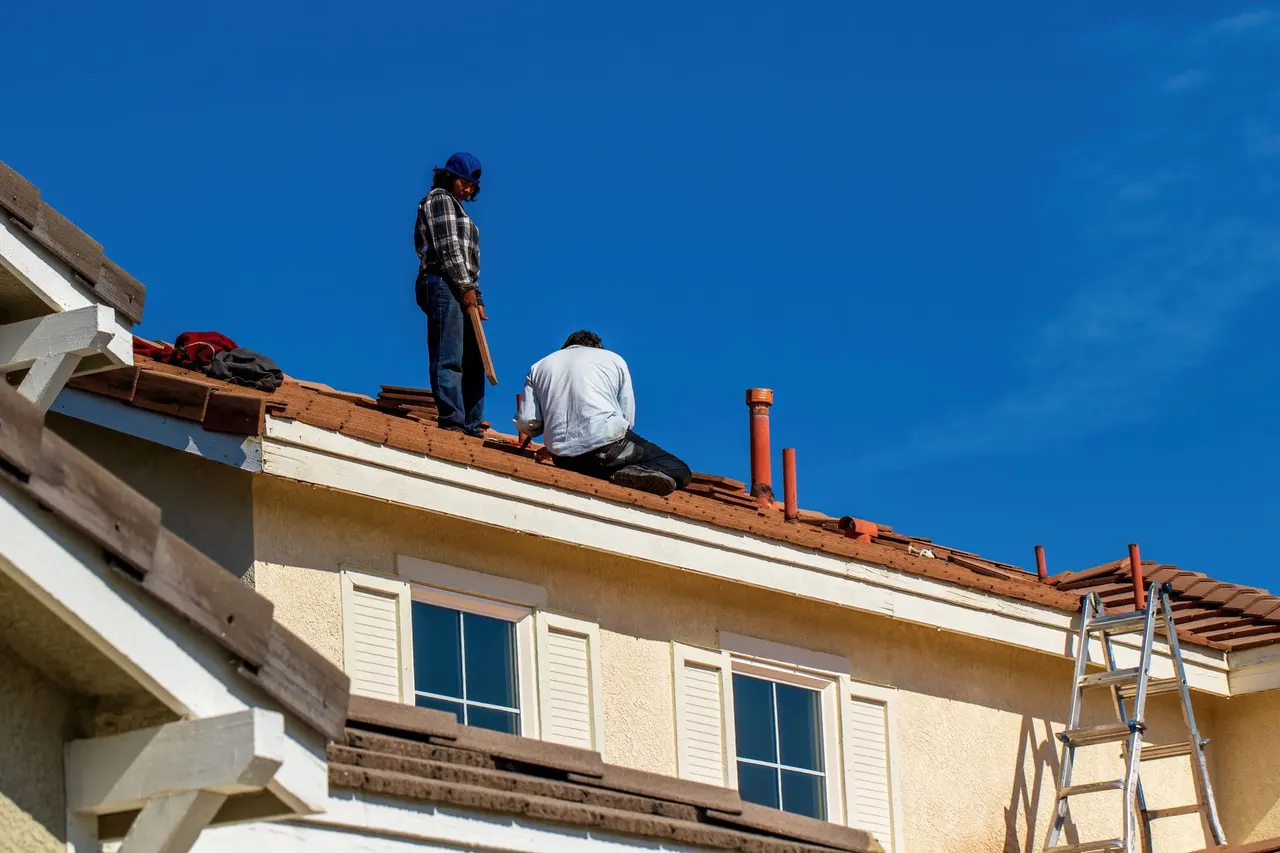
Photo report
Images of every problem area before and after
Roof Repair in Alhambra starts with finding the actual source, not just the wet ceiling stain. We handle shingle damage, flashing leaks, tile cracks, and flat roof ponding across Alhambra, California, for homeowners and property managers who need the leak closed before the next rain. Same-day estimates, honest scopes, and repair work built to last.
Every roof repair job we run in Alhambra includes a full inspection, a written scope, the repair itself, and a test before we leave. Here is what comes standard, and what we treat as an add-on so there are no surprises on the invoice.
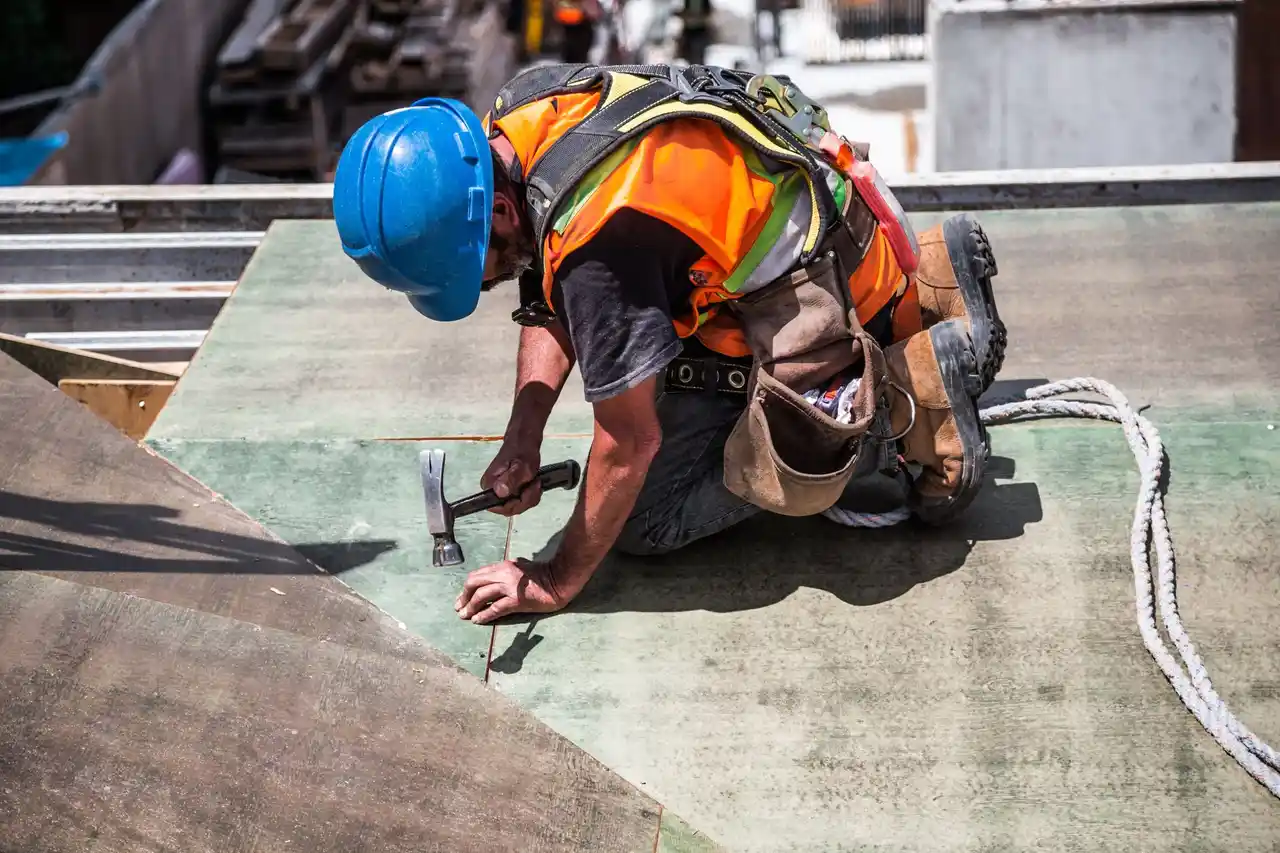
We repair roofs on houses, condos, and small multi-family buildings across Alhambra. Whether you have a clay tile roof near downtown or a shingle roof off Fremont Avenue, we trace the leak and fix the failing part.
We work on commercial and mixed-use buildings along Valley Boulevard and throughout Alhambra. Flat roofs, TPO membranes, and built-up systems are our daily work, and we schedule around your business hours.
Roof Repair in Alhambra is the targeted fix of a failing roof component, not a full replacement. That means tracing a ceiling leak back to a vent boot, a roof valley, or a cracked pipe collar, then repairing just that section with matching materials. We pull the damaged shingles or tiles, replace the underlayment, reseal the flashing, and re-nail everything to spec. Most repairs stay under 100 square feet and finish in a single visit.
Alhambra roofs take a specific beating. Summer heat bakes asphalt shingles past 140 degrees, then winter rain finds every hairline crack in the flashing. Older homes near Main Street and Valley Boulevard often still run clay tile or modified bitumen, and both fail differently. If you have been searching for roofing repair near me Alhambra and getting vague answers, we walk the roof, show you photos, and tell you what is actually failing.
Find the source first, repair the component, then test it before leaving.
You should know exactly what happens from the first call to the final walkthrough. Here is the sequence we run on every Alhambra roof repair job, whether it is a single flashing leak or storm damage across a whole slope.
You call and describe what you are seeing: a ceiling stain, a drip in the attic, granules in the gutter. We ask the right questions to figure out whether this is an active leak needing same-day attention or something that can be scheduled. You get a realistic arrival window, not a vague all-day block.
We walk the roof with a roof ladder, check the attic side with a moisture meter, and use an infrared thermal imaging camera on flat sections where water hides under the membrane. You get photos of every problem area. This usually takes 30 to 45 minutes on a typical Alhambra home.
Before any work starts, you get a written scope listing what we found, what we will repair, the materials, and the price. No surprise line items later. If we find a second issue mid-job, we stop, show you, and get your okay before adding it.

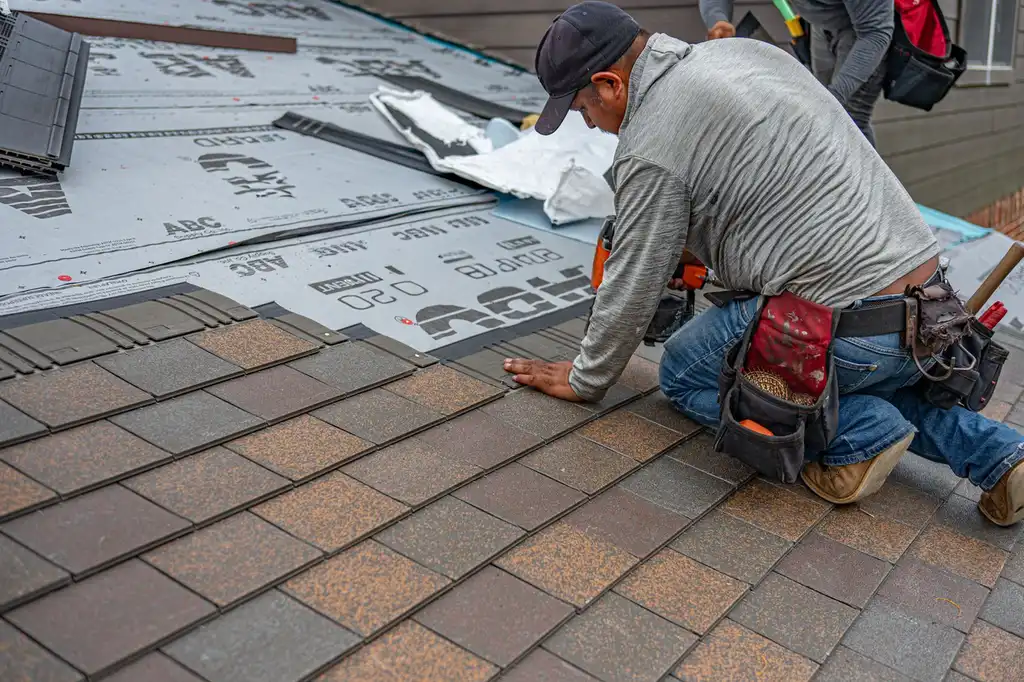
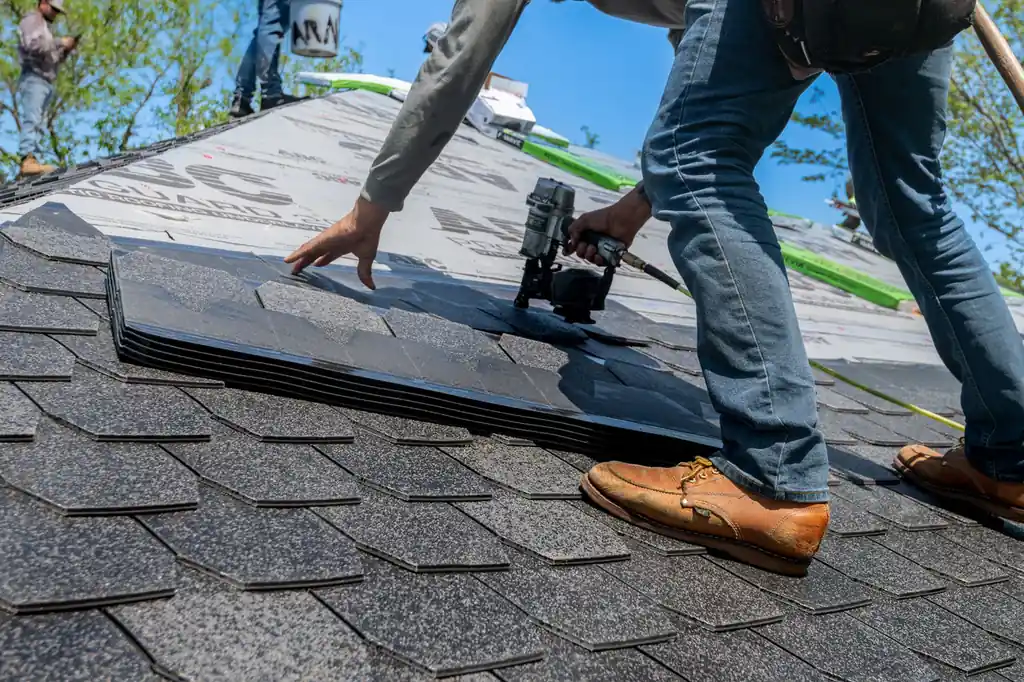
We protect your landscaping with tarps, then work the repair. Shingles get pulled and replaced, flashing gets re-set and sealed, underlayment gets patched. Most repairs take two to five hours. Larger jobs like a full valley rebuild or flat roof section might run a full day.
We hose-test the repaired area, check the attic side again for moisture, and clean up every nail with a magnetic sweep. Then we walk you through what was done, hand over photos, and explain what to watch for over the next few weeks. If anything looks off, you call us.
Reads temperature differences on the roof surface to show where water is trapped under the membrane or shingles. It finds leaks without tearing the roof open.

Measures water content in rafters, insulation, and drywall so we can confirm the leak source and verify the repair actually stopped the water.
A ladder with standoff arms that hooks over the ridge so we can access the roof safely without damaging the gutter or the shingles.
Used to lift shingles and tiles cleanly so we can access the underlayment and flashing beneath without breaking surrounding material.

Applies the correct sealant for each material, from Henry and DAP products for asphalt to specialty sealants for metal and membrane roofs.
Re-secures shingles, flashing, and underlayment with proper fasteners so the repair holds against wind and thermal movement.
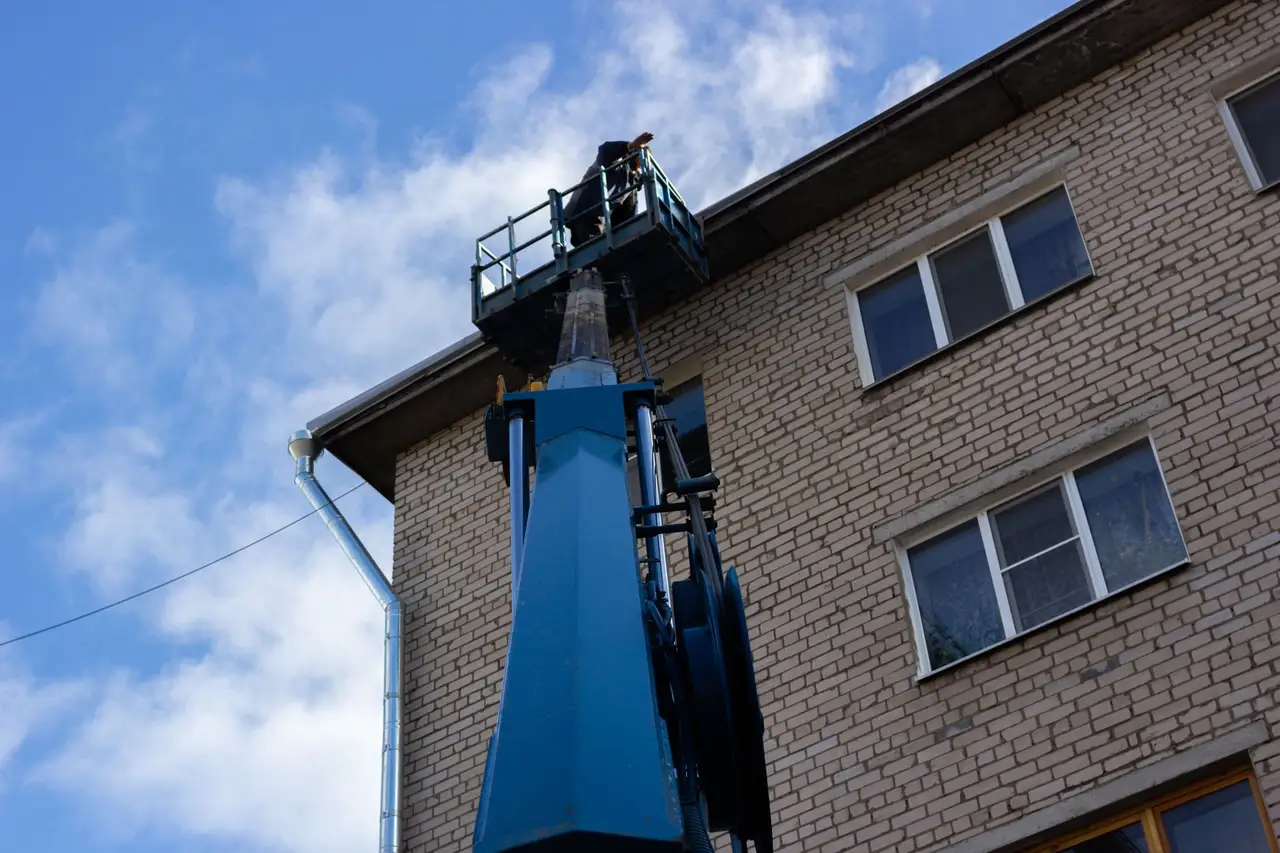
The tarp protects the roof during emergency calls, and the hose lets us water-test the repair before we leave the property.
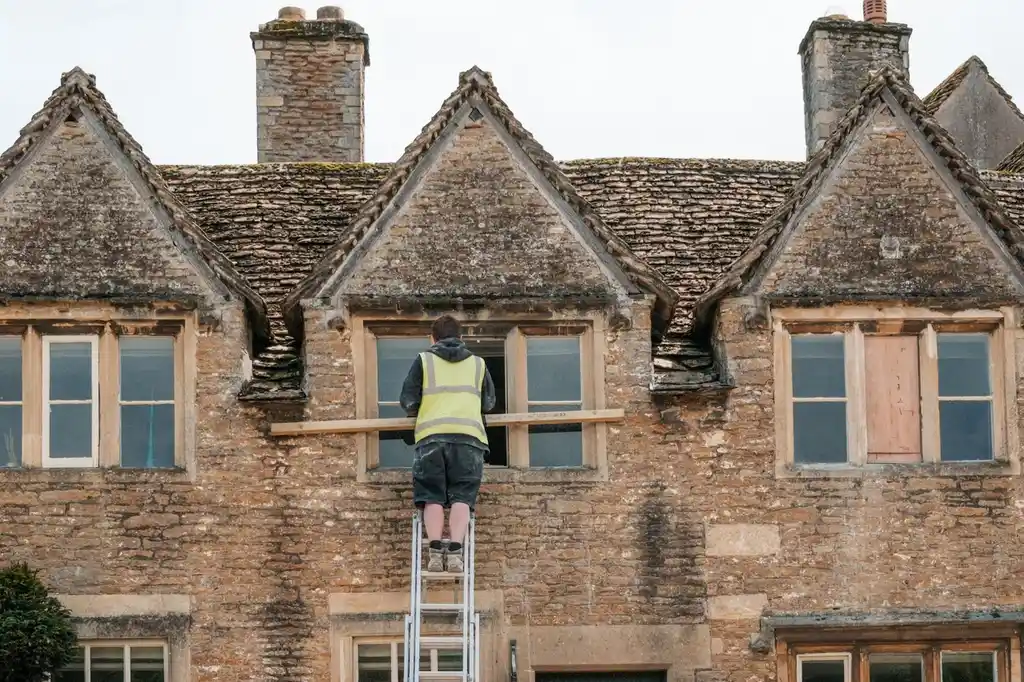
We run a hose over the repaired area for several minutes and check the attic side with a moisture meter. If any water shows up, we keep working until it does not. No repair is finished until it passes the test.
We inspect the roof, trace the stain back to its source, and repair the failing component. Most ceiling leaks come from a vent boot, flashing joint, or valley, not the field of the roof. The leak stops, the ceiling can dry out, and you avoid the cost of replacing soaked insulation and drywall.
We replace the lifted and damaged shingles with matching profile and color, re-seal the surrounding field, and check the underlayment for water that got in during the storm. The roof looks intact again, and the repaired section holds through the next wind event.
We use infrared thermal imaging to find the wet areas under the membrane, repair the seams and low spots, and check the drains for blockages. Water drains properly, the membrane is sealed, and the ponding that was stressing the structure is gone.
We inspect the flagged areas, repair what is actually failing, and provide photos and a written scope you can hand to the buyer's agent. The repair is documented, the sale moves forward, and the buyer sees a roof that has been properly maintained.
Alhambra sits in Los Angeles County with a climate that swings hard. Summer roof surface temperatures push past 140 degrees, which cooks the volatiles out of asphalt shingles and dries out sealant. Then winter rain arrives and finds every crack that opened up. Older homes near downtown and along Main Street often have clay tile or modified bitumen roofs that were installed decades ago, and both fail at the flashing and underlayment before the surface material shows wear. Newer construction tends to use asphalt shingles or flat TPO membranes, which fail at seams and penetrations. When you call for roofing repair Alhambra, we already know the likely failure points for your roof type and neighborhood. If you have been searching for affordable roofing repair Alhambra CA, we quote the repair honestly and do not push a replacement you do not need.
A homeowner near Almansor Park had a growing ceiling stain every time it rained. Two other contractors quoted a full roof replacement. The actual problem was a cracked rubber vent boot that had been leaking for months.
We replaced the vent boot, sealed the collar, and hose-tested the area. The repair took about two hours and cost a fraction of the replacement quotes. The ceiling stain stopped growing and the attic stayed dry through the next storm.
Check vent boots every two to three years. The rubber cracks from sun exposure, and a five-dollar boot failure can cause hundreds in ceiling damage if ignored.
A commercial building on Valley Boulevard had standing water on the TPO membrane days after rain. The property manager had patched it twice with no success. Water was getting under the membrane at a seam and spreading through the insulation.
We scanned the roof with an infrared thermal imaging camera, mapped the wet insulation, cut out the failed section, and installed a new TPO patch with heat-welded seams. The area drains properly now and the interior leaks stopped.
Clear the drains before rainy season and have the membrane scanned every few years. Ponding water is the leading cause of flat roof failure, and it is preventable.
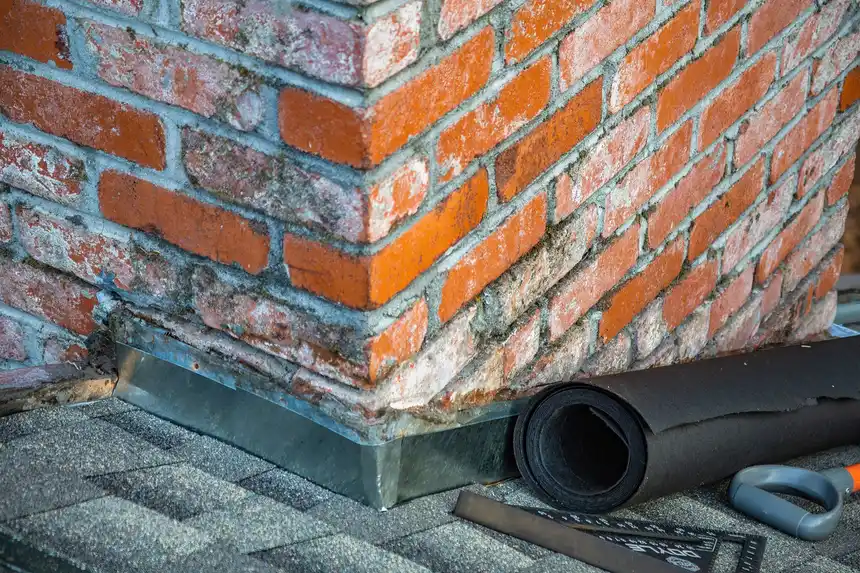
A Monterey Park home with clay tile had a leak near the chimney that three contractors could not find. Water was entering at the counter-flashing where it met the masonry and running down the chimney chase into the attic.
We lifted the tiles around the chimney, rebuilt the flashing layers to California code, sealed the counter-flashing into the masonry, and re-set the tiles. A hose test confirmed the leak was sealed. No tiles were broken during the repair.
Inspect chimney flashing annually and reseal the counter-flashing every few years. Masonry and metal expand at different rates, so the seal is the first thing to fail.
Most roof leaks in Alhambra trace back to a handful of failure points. Here are the ones we see most often, what happens if you ignore them, and how we fix them.
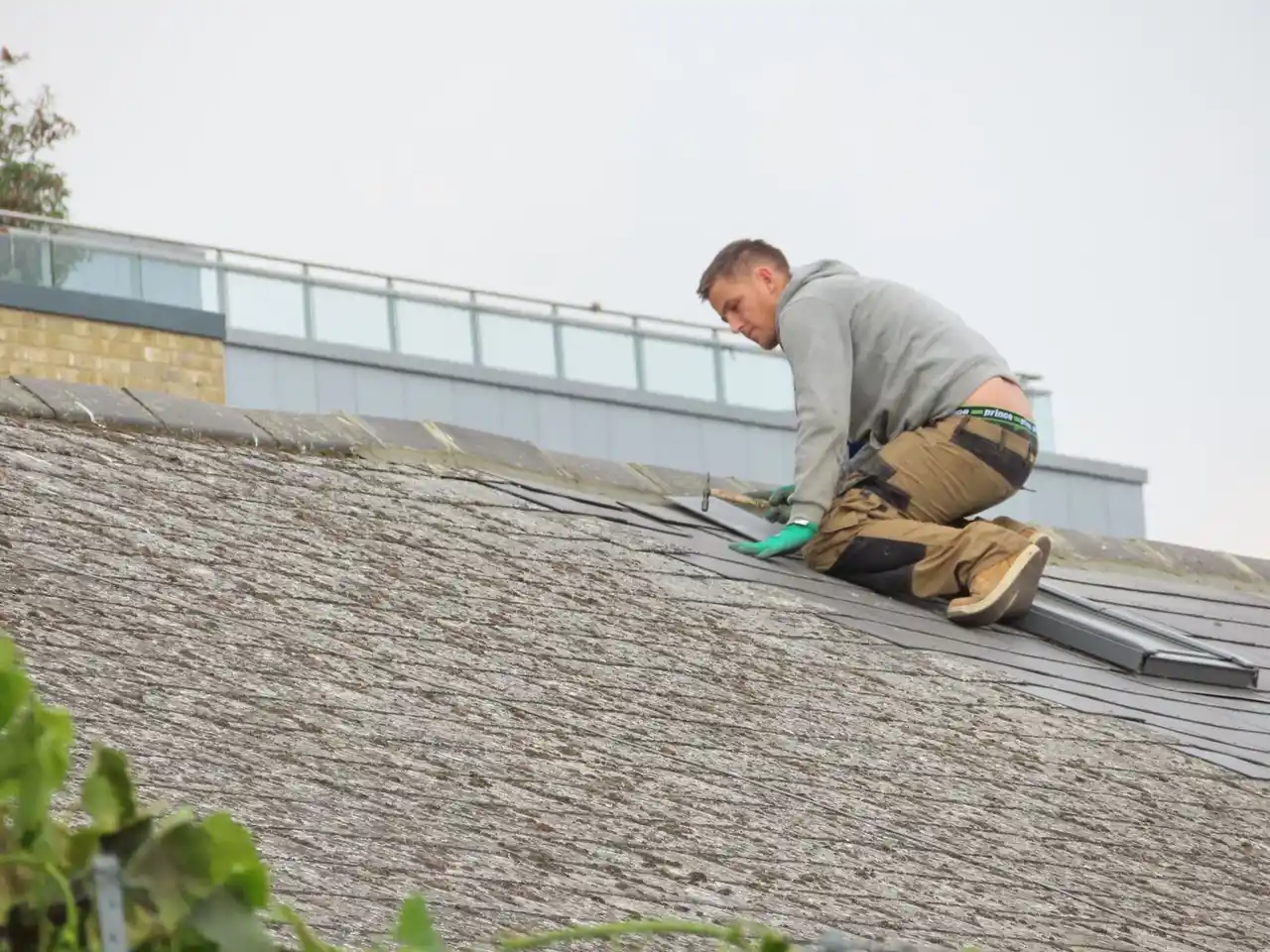
We trace the stain back to the roof entry point, which is often a vent boot, flashing joint, or valley. We repair that component, then check the attic side with a moisture meter to confirm the leak has stopped. Water is traveling along a rafter and soaking insulation and drywall. Left alone, it spreads to more of the ceiling, ruins insulation, and can reach electrical wiring.
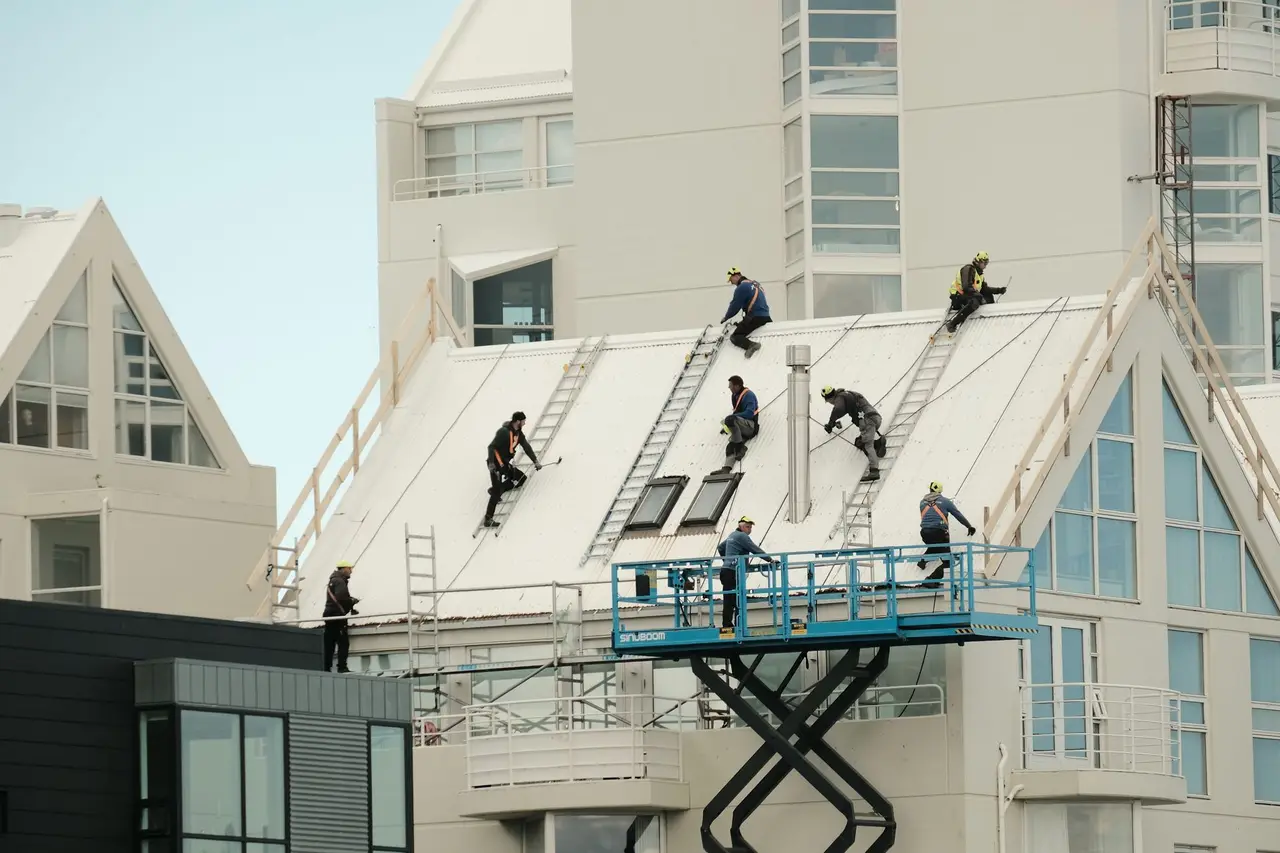
We replace the lifted or damaged shingles with matching material, re-seal the surrounding field, and check the underlayment for water damage. If the whole slope is failing, we tell you honestly instead of patching a dead roof. Lifted shingles let water under the field, and granule loss means the shingle is near the end of its life. Both lead to leaks and eventually to a full replacement if ignored.
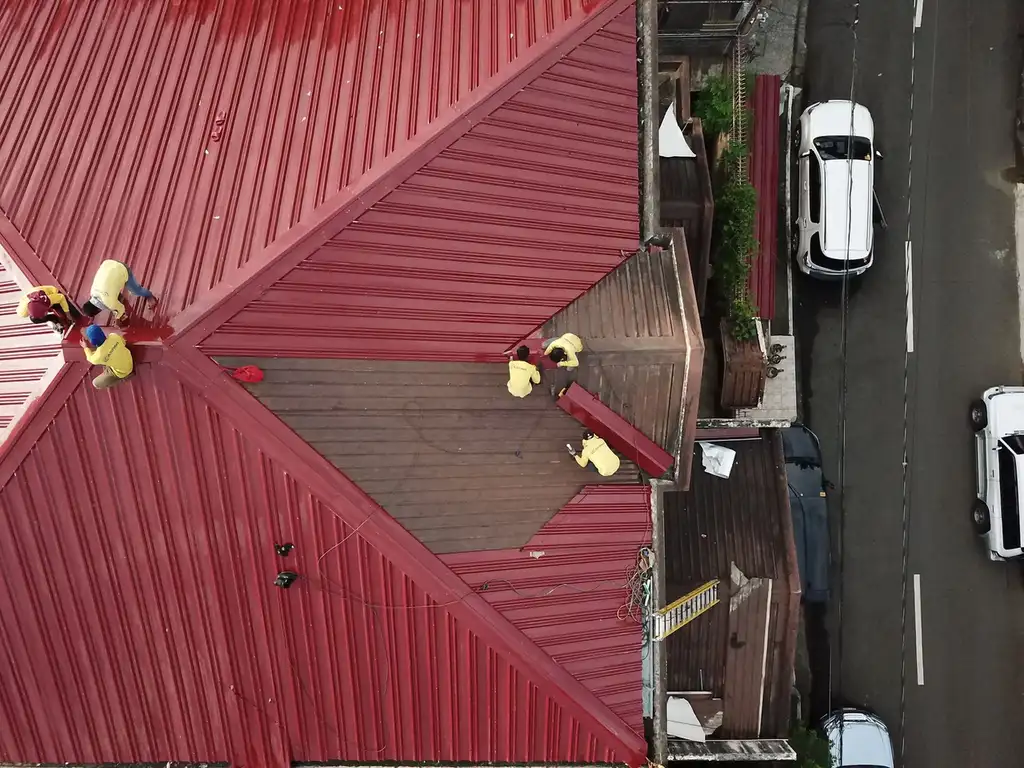
We use infrared thermal imaging to find the wet areas under the membrane, repair the low spots and seams, and check the drains. If the slope is the problem, we explain the options for correcting it. Standing water finds every seam and penetration, and it adds weight to the structure. Over time, ponding causes membrane failure and interior leaks that are hard to trace.
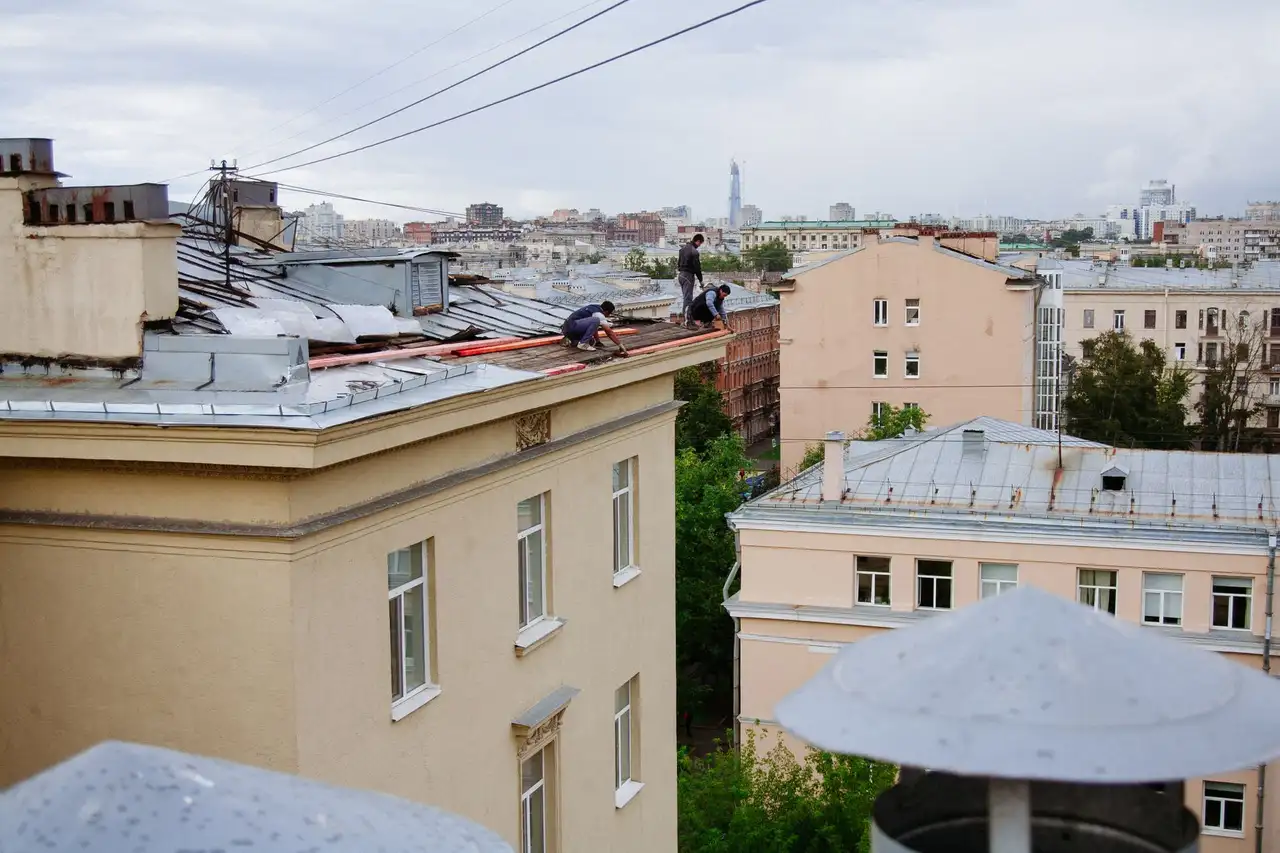
We rebuild the flashing around the chimney or skylight curb, seal the counter-flashing, and replace any failed gaskets. Then we hose-test the area and check the attic side before closing up. These penetrations have multiple flashing layers, and any one of them can fail. Water gets into the attic, soaks insulation, and can drip onto stored items or HVAC equipment.
Most active leaks get sealed the same day we inspect. We carry common shingle profiles, flashing stock, and sealant on the truck, so a vent boot leak or a cracked pipe collar does not wait on a supply run. You get a dry ceiling and a written scope of what was fixed.
We tell you when a repair is the right answer and when it is throwing money at a dying roof. If three shingles are lifted, we fix three shingles. If the whole south slope is granule-bare, we say so. No upselling a replacement onto a roof that has years left.
Alhambra has asphalt shingles, clay tiles, slate, metal panels, and flat TPO or EPDM membranes all within a few blocks. We match the existing material and color so the repair blends in, and we use GAF, Owens Corning, or CertainTeed products that meet California code.
A patch that fails in the first rain is worse than no patch. We re-secure flashing with proper fasteners, not just roof cement, and we test the repair with a hose before we pack up. That is why our callbacks on repair work stay rare.
Clear records you can keep and share.
Images of every problem area before and after
What was repaired, with materials and price
Hose test and moisture readings after the repair
Not every leak means you need a new roof, and not every patch will hold. Knowing the difference saves you money and avoids repeat problems.
A localized leak at a vent or flashing is a repair. Widespread granule loss, multiple leaks, or a sagging deck point to replacement. We tell you which one you have.
Sealant smeared over a failed flashing joint will crack within a season. The fix is to rebuild the flashing layers, not cover them. We do the repair that lasts.
The stain on your ceiling is rarely directly under the roof leak. Water follows rafters and can enter ten feet away. That is why we inspect the whole roof, not just the wet spot.
Not sure if we cover your area? Call and ask. (626) 640-8498
Most roof repairs in Alhambra run $350 to $1,800 depending on scope. A simple vent boot or flashing repair sits at the low end. A valley rebuild or flat roof section with membrane replacement lands higher. Emergency tarping is a separate smaller charge. We give you the exact number in writing before we start, so the price you hear is the price you pay.
The right contractor is the one who shows you the problem, quotes it straight, and stands behind the work. Ask for their California Contractor License (C-39 Roofing) number, their manufacturer credentials, and photos from past repairs. We hold GAF Master Elite and Owens Corning Preferred status, and we hand over photos of every job. Compare us on those points and decide.
A standard repair takes two to five hours on site. That covers a vent boot, a flashing leak, a few damaged shingles, or a small flat roof patch. Larger jobs like a full roof valley rebuild or a chimney flashing replacement can run a full day. We tell you the expected time when we quote, and we do not leave a job half-finished overnight.
Minor repairs like replacing a few shingles or resealing flashing usually do not require a permit. Structural repairs, full section replacements, or anything changing the roof system do. Alhambra follows Los Angeles County building code, and we know which scopes trigger a permit. If yours does, we pull it and handle the inspection. You do not have to chase paperwork.
Water damage gets worse every day you wait. Call (626) 640-8498 and we will inspect the roof, show you the problem, and quote the repair in writing. Same-day estimates and emergency tarping available.
Call us at (626) 640-8498 or email info@roofrepairalhambrapros.com. We answer the phone during business hours and respond to emergency calls after hours. Same-day estimates are available for most jobs in Alhambra and surrounding areas.