Written scope
What was found and what was repaired
Chimney Leak Repair Alhambra CA starts with finding the real entry point, not guessing at it. Brown rings on your ceiling, a rusted damper, grit in the firebox after a storm: those are chimney leak symptoms, and we trace them with a moisture meter and infrared thermal imaging camera before we touch a shingle. We handle flashing, crown and masonry repairs across Los Angeles County, usually same day.
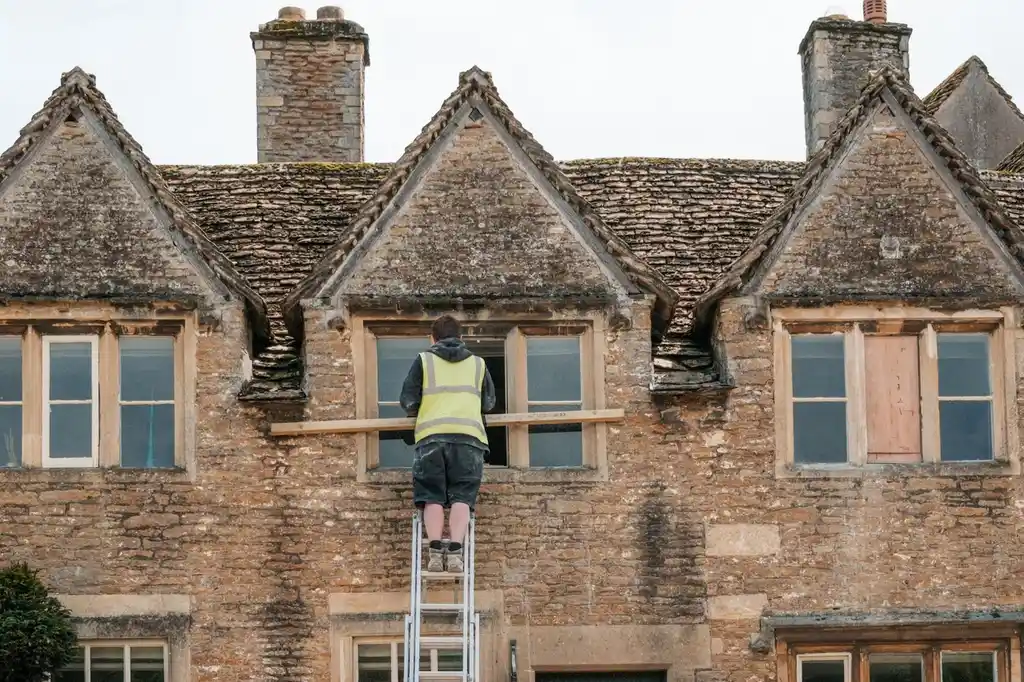
Every chimney leak repair we do starts with a full inspection and water test, then moves to the actual repair. Here is what is covered in a standard visit, and what we treat as a separate scope if we find it.
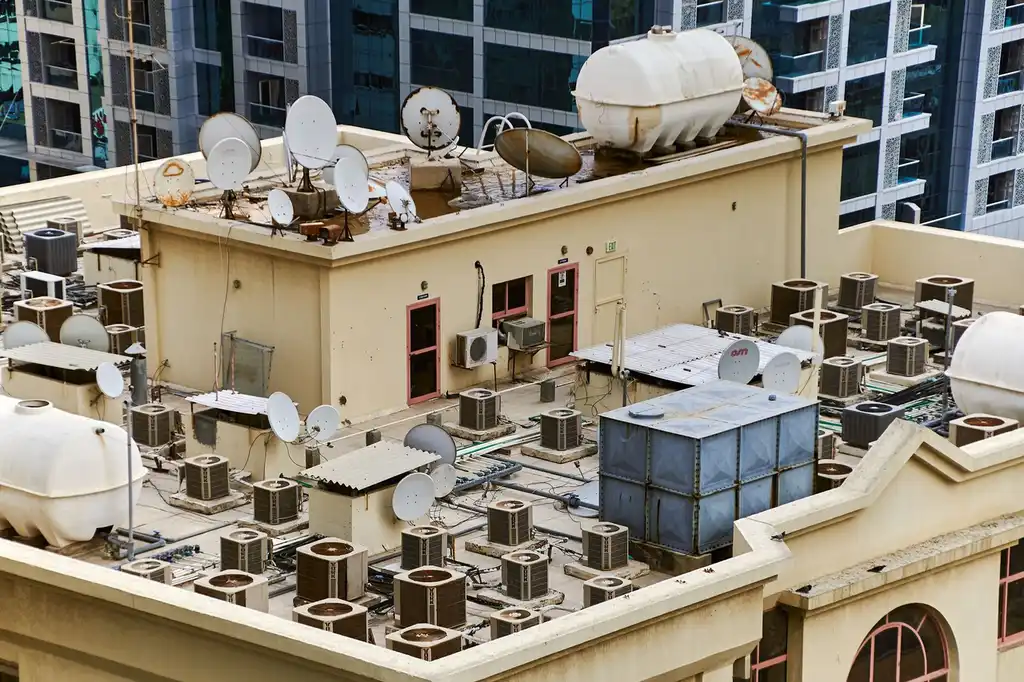

We trace chimney leaks in Alhambra homes from the roof down to the ceiling stain, then repair the flashing, crown or mortar that failed. You get the findings in plain language before any work starts.
We repair chimney and vent penetration leaks on commercial roofs in Alhambra without interrupting your business day. The work is scheduled around your hours and documented for your property records.
Chimney Leak Repair Alhambra CA is the trade of finding and sealing water that enters a home through the chimney assembly: the flashing where it meets the roof plane, the crown on top, the brick and mortar joints, and the flue cap. Water rarely comes in where the stain shows up. It runs down the flue, along a rafter, and lands three feet away on your ceiling. We start at the top and work down until the source is confirmed, not assumed.
Alhambra homes take a specific beating. Winter rain arrives in a few heavy storms, then months of dry heat bake the mortar and shrink the sealant around the flashing. Original 1920s and 1940s masonry chimneys near Main Street and the older tracts off Valley Boulevard crack at the crown first. If you have been searching chimney leak fixing near me Alhambra after a storm, that pattern is usually why.
Find the entry point first, then repair the chimney assembly that let the water in.
Five steps, no mystery. You will know what we found, what it costs, and when we are coming back before we start any work.
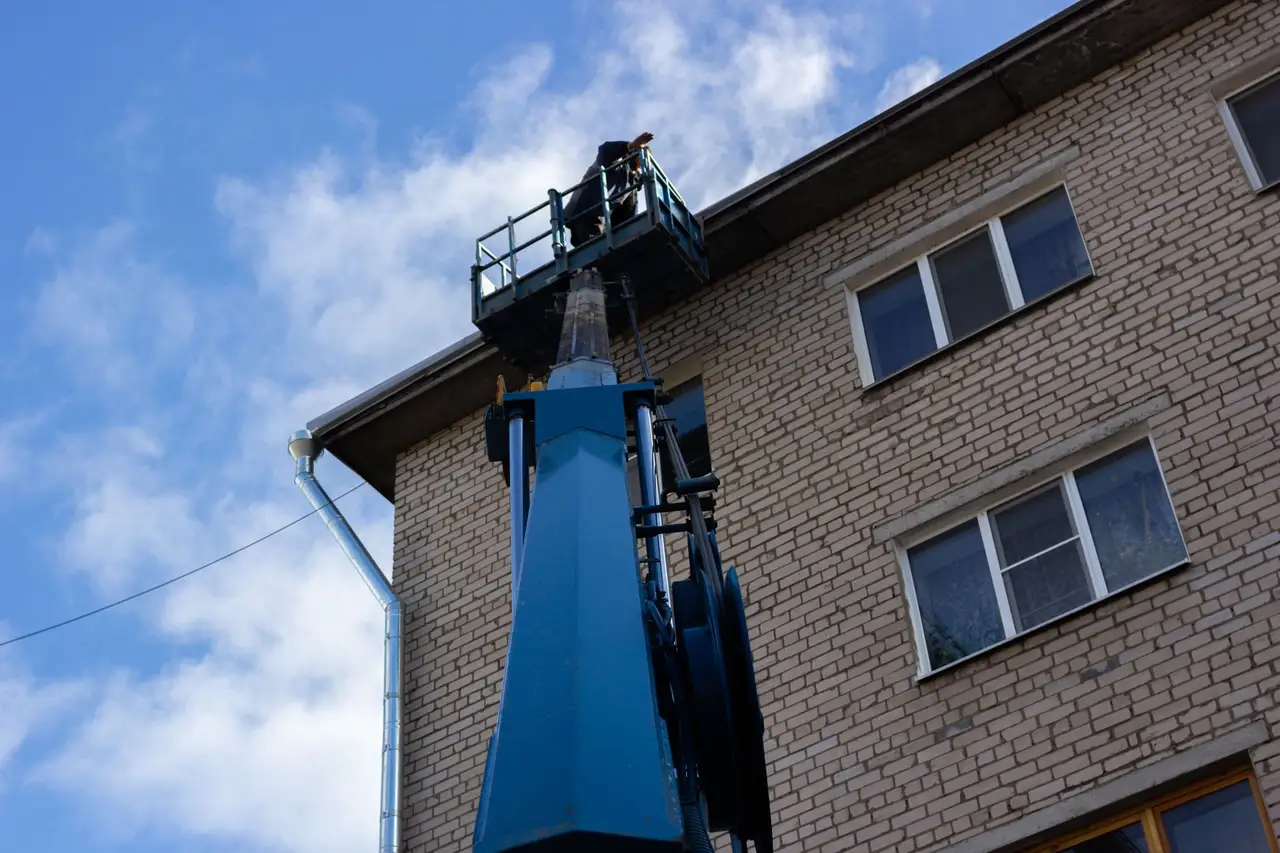
You describe what you are seeing: stain shape, location, when it appears. We ask three or four questions that usually narrow it to flashing, crown or masonry before we arrive. If it is actively leaking, we schedule the visit around the next rain window and tell you what to do in the meantime.
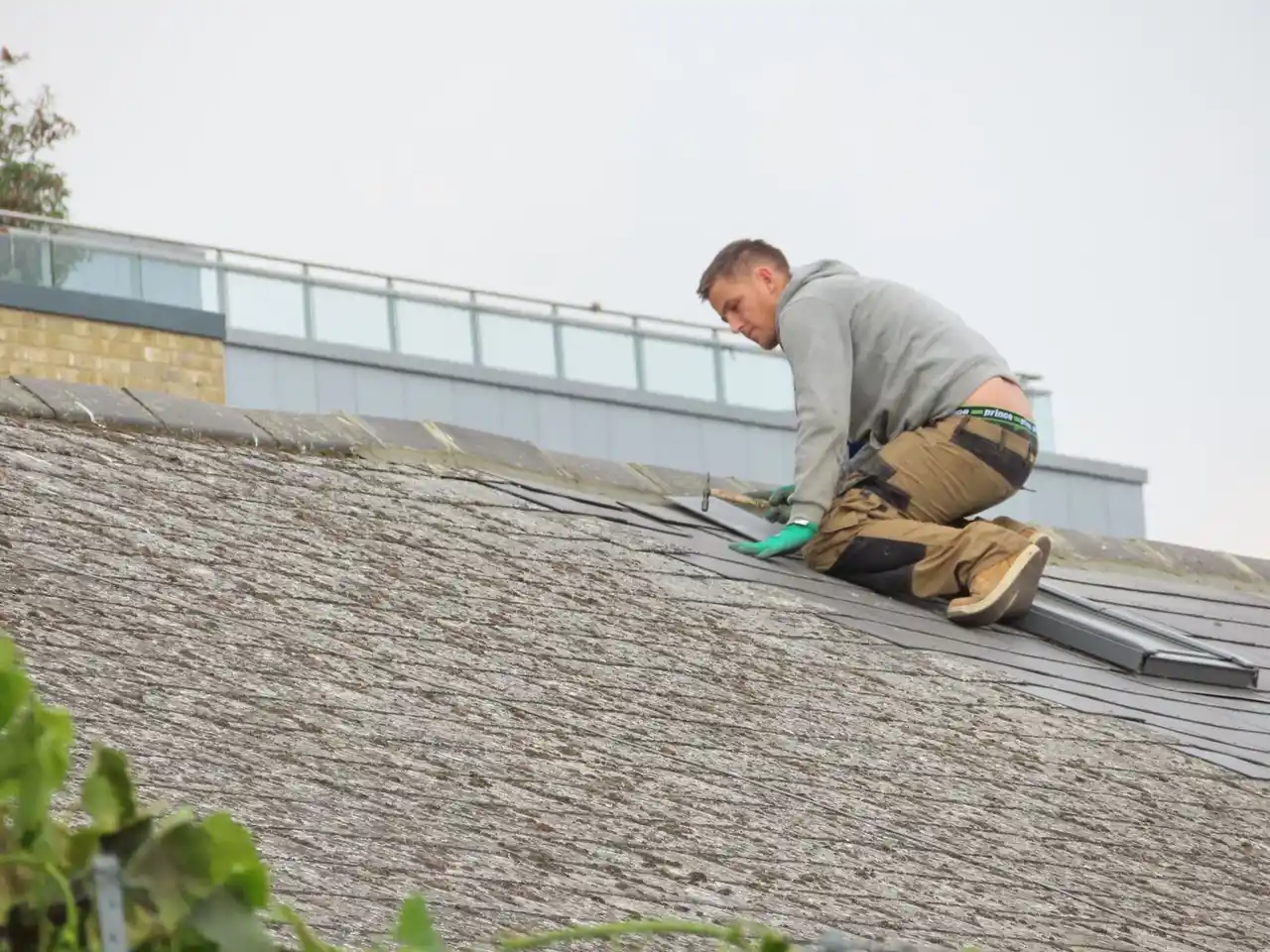
We set a roof ladder, walk the plane around the chimney, and inspect the flashing, counter flashing, crown, cap and mortar joints. Inside, we check the attic side and the ceiling with a moisture meter to see how far the water has traveled. This takes 45 to 90 minutes on a typical Alhambra home.
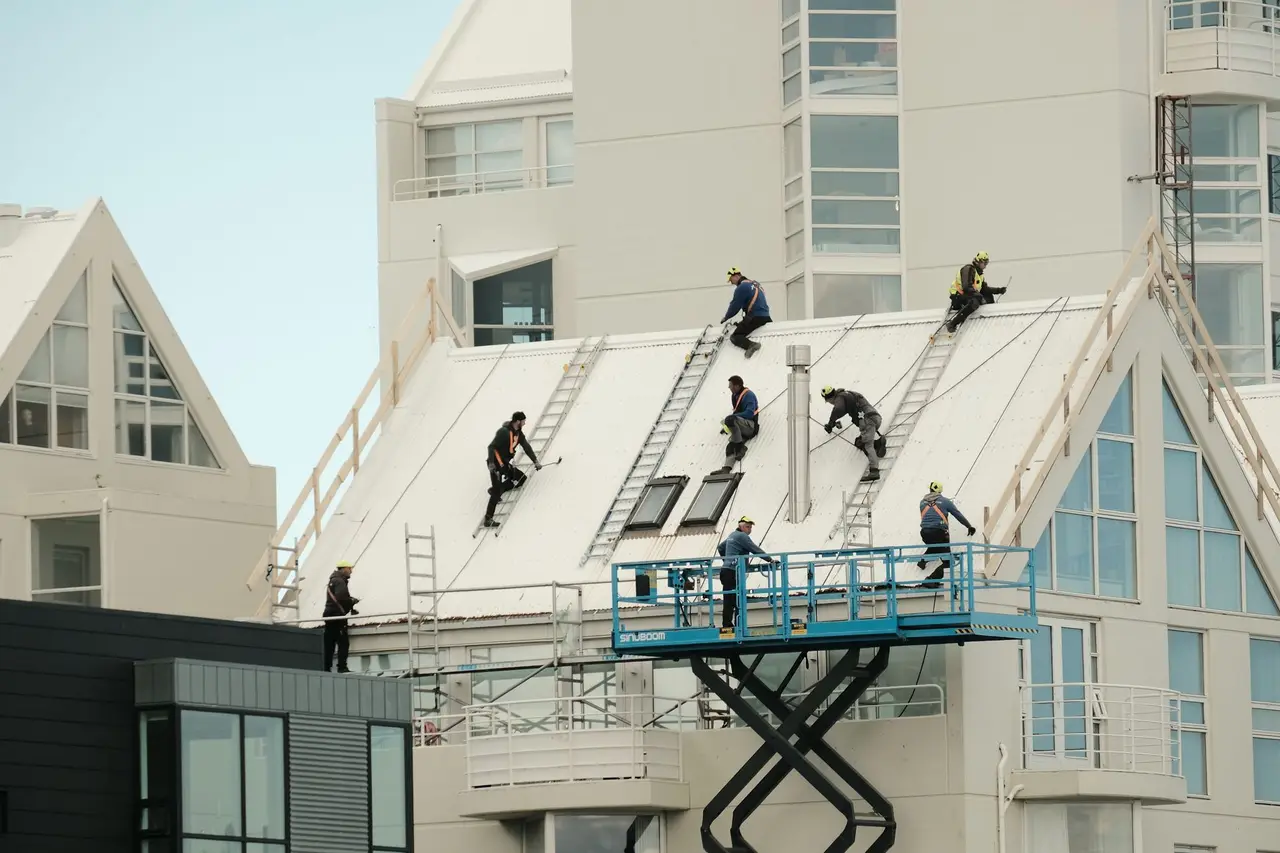
We run a hose at the chimney in stages, starting low and working up, while the second technician watches the interior with the infrared thermal imaging camera. When the reading spikes, we have the entry point. No tearing out masonry to find it.
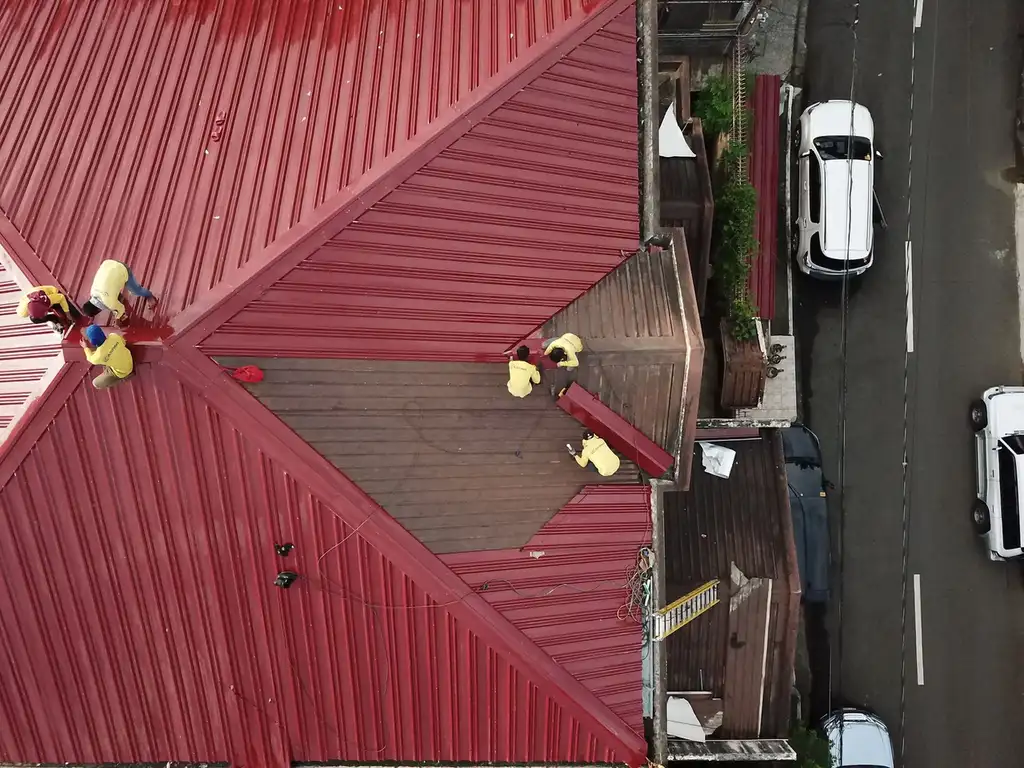
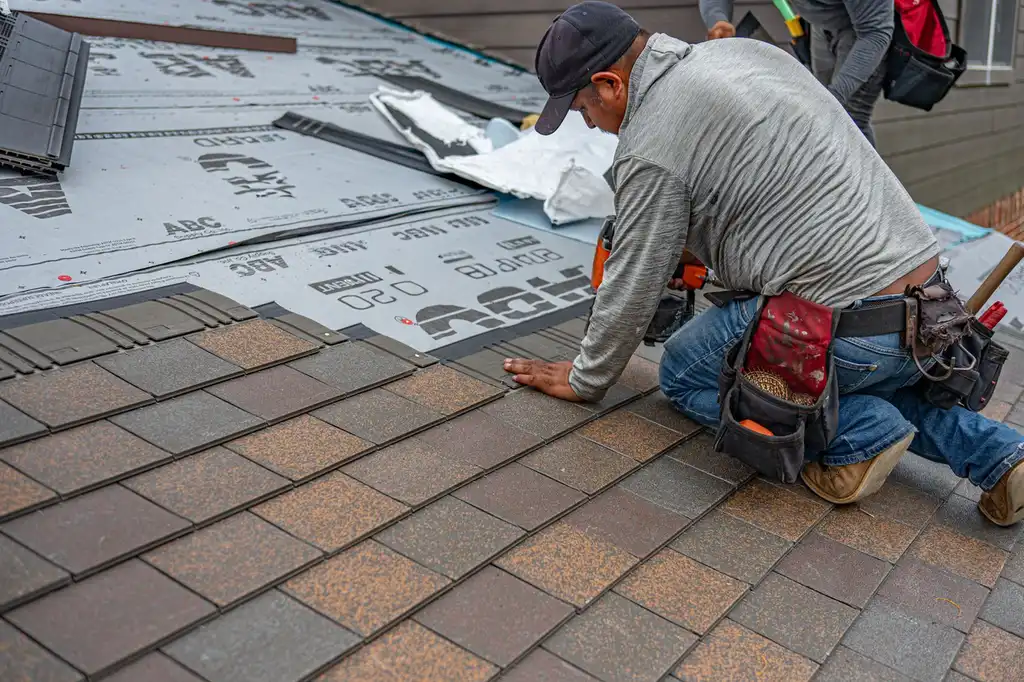
Depending on what we find, we replace step and counter flashing, repoint mortar joints, reseal the crown, or replace a cracked flue cap. We use a caulking gun, pry bar and utility knife to remove old sealant cleanly, then set new material. Most repairs take two to four hours.
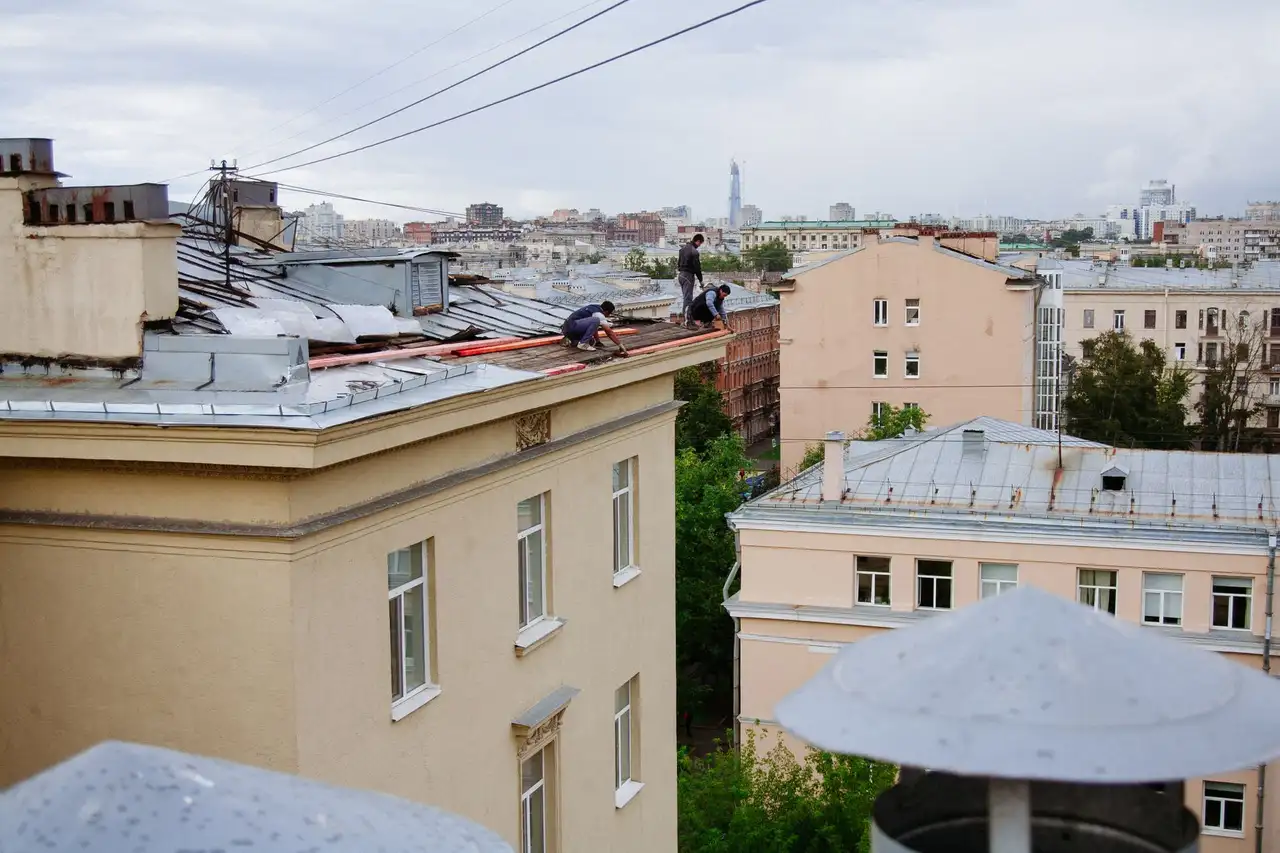
We re-run the water test, confirm the interior stays dry, and show you photos of what we replaced. You get a written scope of the work and the materials used. If the chimney needs a follow-up masonry repair beyond our scope, we tell you that on the spot.
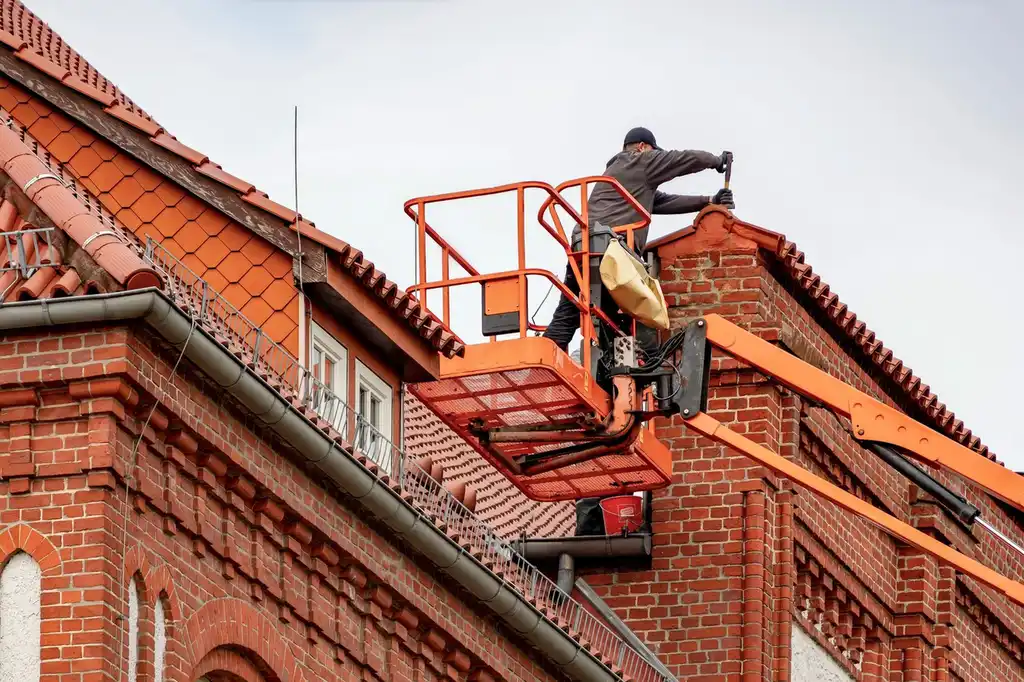
Reads temperature differences caused by trapped moisture inside the ceiling and attic assembly. It shows us where water has traveled, not just where it entered, so the repair targets the source.
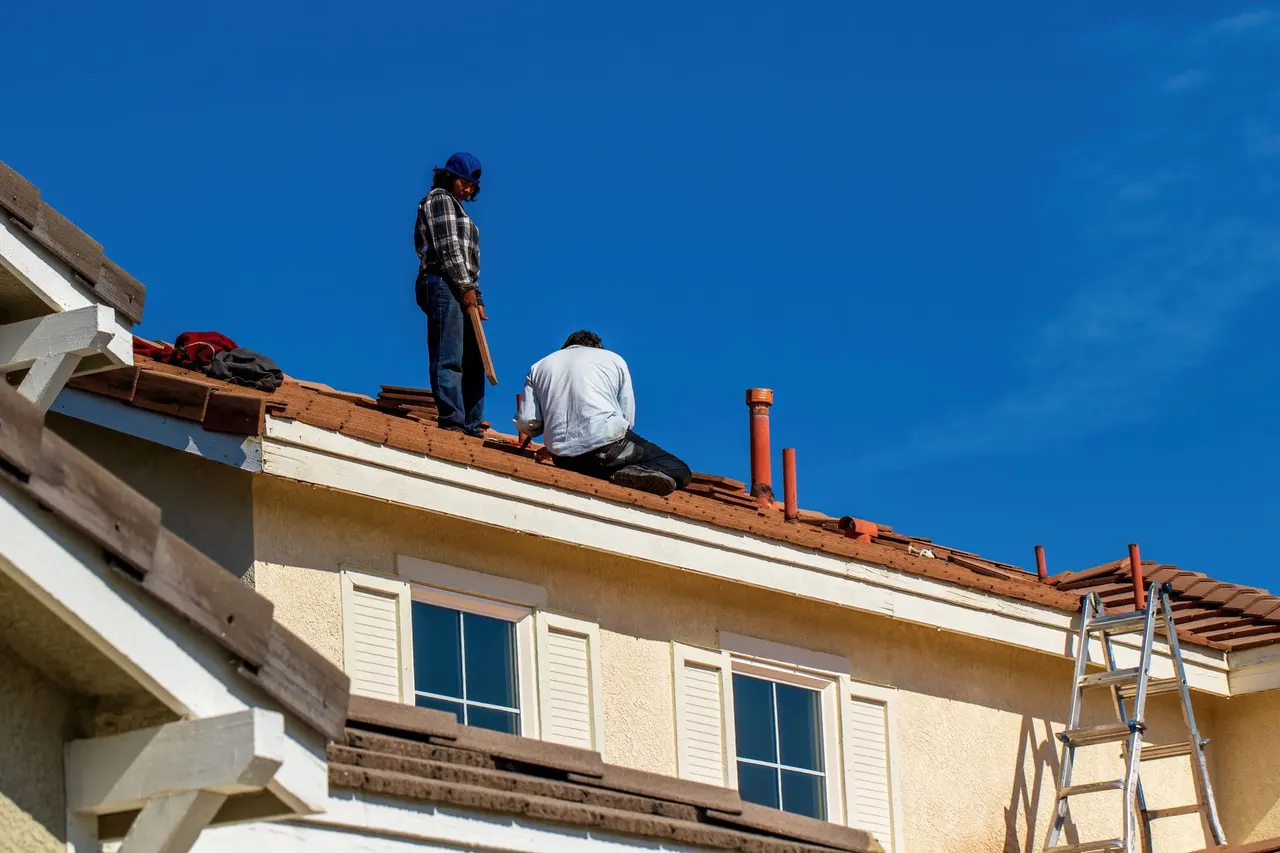
Confirms the infrared reading with a direct measurement. We take readings at the chimney, the surrounding ceiling and the attic side, then compare against a dry reference point to gauge how far the water has spread.
Gets us onto the roof safely at the chimney without damaging the shingles or the gutter edge. We set it at the correct pitch for the roof plane and secure it before climbing.
Removes failed flashing and old sealant cleanly without tearing the surrounding shingles or underlayment. Clean removal is what makes the new flashing sit flat and seal properly.
Applies sealant in a controlled bead at the flashing joints and the chimney base. We use Henry and DAP sealants rated for the temperature range this area sees.
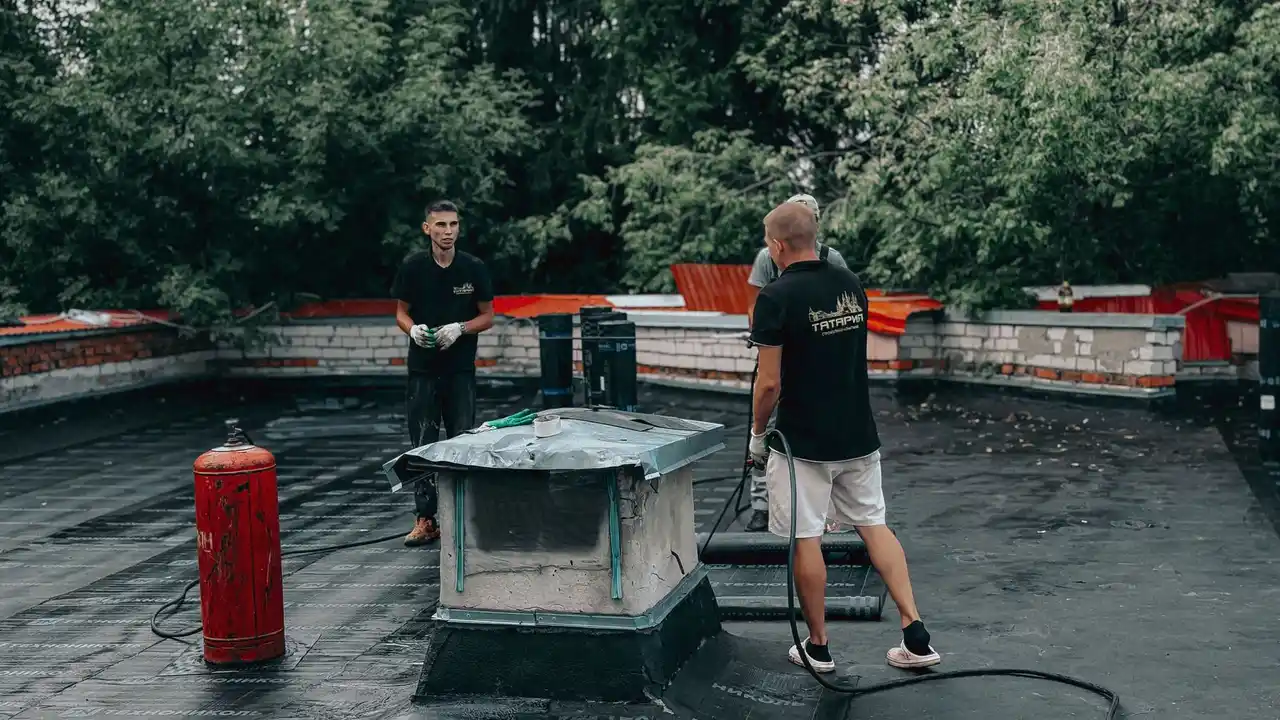
The hose stages the water test that confirms the leak. The tarp stops active water during a storm and stays in place until we return for the permanent repair.
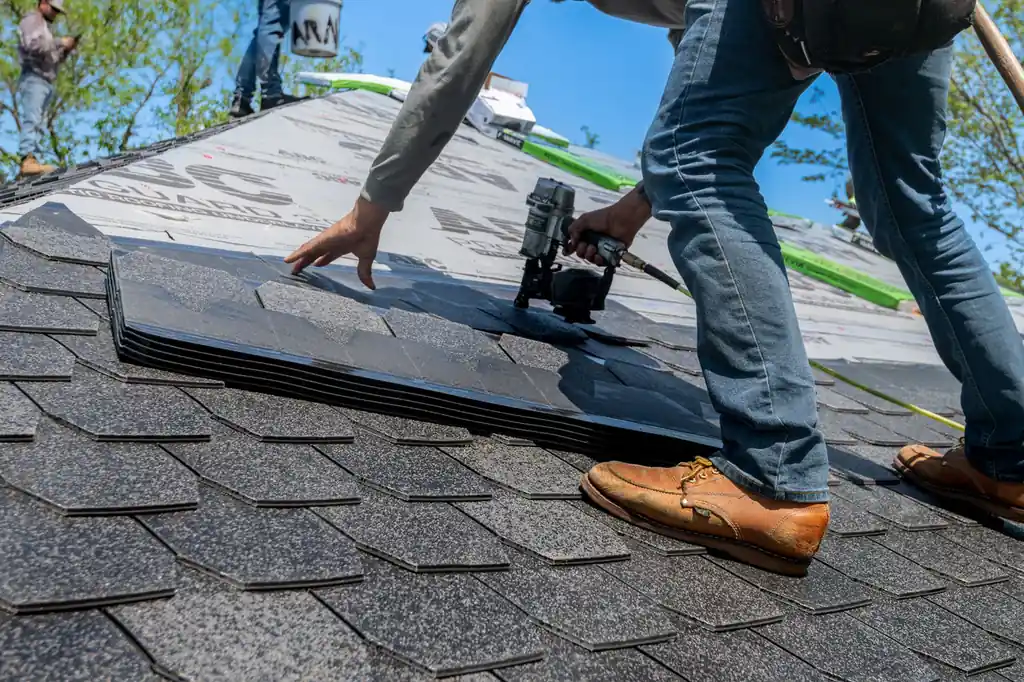
Resets shingles and flashing fasteners to the correct depth and pattern. Over-driven or under-driven fasteners are a common cause of flashing that lifts and leaks.
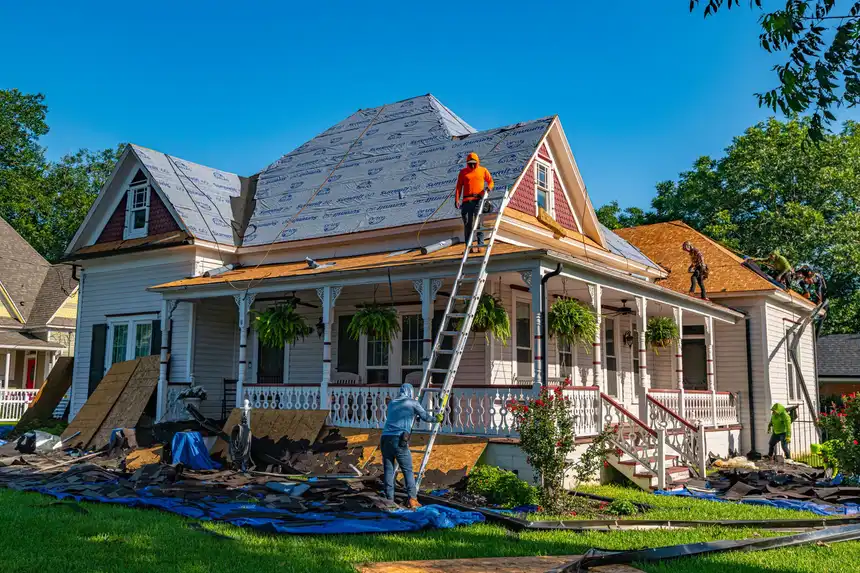
We run water at the chimney in stages, starting low and working up, while a second technician watches the interior with the infrared camera. When the reading spikes, we have the entry point. This method avoids tearing out masonry to find a leak that can be located from the outside.
We inspect the chimney and surrounding roof plane, water-test the assembly, and confirm whether the leak is active or was a one-time event. If the flashing has failed, we replace it before the next storm. If the assembly is sound, we document the reading and tell you what to watch for. You know whether you have a real leak or a false alarm, and if it is real, it is closed before the next rain.
We do a full chimney leak inspection: flashing, crown, cap, mortar joints and the interior attic side. We water-test and document what we find with photos and moisture readings. You get a written scope of what needs repair and what does not. You have a clear picture of the chimney condition before you close, and a repair number you can use in negotiation.
We tarp the chimney and the surrounding roof plane to stop the water, then return in dry weather for the permanent repair. Emergency Chimney Leak Repair Alhambra CA calls get priority scheduling, including nights and weekends during storm weeks. The water stops tonight, the interior damage is contained, and the permanent repair happens when the weather allows.
We inspect the previous repair to see what failed: sealant that shrank, flashing that was set wrong, or a crown that was patched instead of rebuilt. We redo the repair properly, using material rated for this climate, and water-test it before we leave. The leak is closed with a repair that holds, not another patch that fails next winter.
Alhambra sits in a rain-shadow pattern: long dry summers, then a handful of heavy winter storms that dump most of the annual rain in a few weeks. That pattern is hard on chimneys. The mortar and sealant dry out and shrink through summer, then the first big storm finds every gap at once. Most of our chimney leak calls come in during a two-week window in December or January. The housing stock matters too. Alhambra has a lot of 1920s and 1940s masonry chimneys, many with original crowns that have cracked and original flashing that has been patched more than once. We see a lot of failed sealant jobs where a previous repair used the wrong product and it cracked within a year. If you are looking for chimney leak fixing near me open now Alhambra during a storm, we prioritize active leaks and tarp the chimney the same day. For non-emergency calls, we schedule the inspection within a day or two and do the permanent repair in dry weather so the sealant cures properly.
A homeowner in Alhambra 91801 had a brown ring on the ceiling about three feet from the chimney. Two previous contractors had caulked the chimney base without testing. The stain kept growing every storm.
We water-tested the chimney and found the step flashing had failed on the north side. We replaced the step and counter flashing, set it in roof cement, and sealed the joints. The interior stayed dry through the next two storms, and the moisture meter reading returned to normal within a week.
Check the flashing sealant each fall before the rainy season. A five-minute visual inspection from the roof edge catches a shrinking sealant bead before it becomes a leak.
A San Gabriel homeowner noticed grit in the firebox and a rusted damper after every rain. The crown had cracked across the middle and water was running down the flue. The chimney had not been inspected in years.
We rebuilt the crown with a proper slope away from the flue, sealed the crown-to-flue joint, and replaced the flue cap. The damper was cleaned and assessed. No water has entered the firebox since, and the damper seals properly again.
Have the crown inspected every two to three years. A hairline crack is cheap to seal; a crown that has separated from the flue is a rebuild.
A Monterey Park property manager had a leak that only appeared during heavy wind-driven rain. Two prior repairs had not fixed it because the leak could not be reproduced during a normal water test. The tenant had a bucket in the hallway.
We staged the water test at an angle to simulate wind-driven rain. The infrared camera caught the reading at the cap within minutes. We replaced the cap and sealed the windward flashing. The leak has not returned through two storm seasons.
Check the cap and the windward flashing each fall. Wind-driven leaks are the hardest to reproduce, so a visual inspection before the season is the best prevention.
Chimney leaks show up in different ways depending on the age and construction of your home. Here are the most common problems we get called for, and what happens if they are left alone.
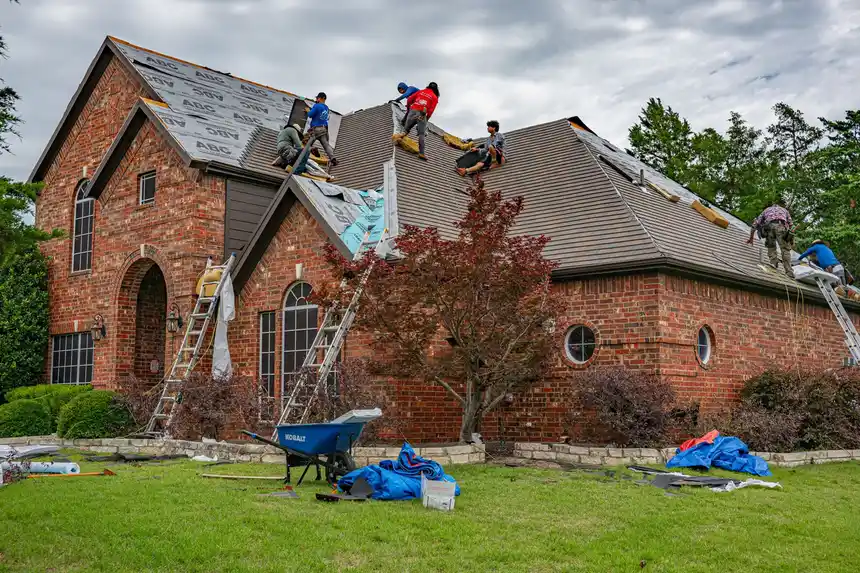
We water-test the chimney and confirm the entry point, usually failed flashing. We replace the flashing, seal the joints, and re-test. The ceiling stain is cosmetic once the source is closed, and we document the moisture readings so you know when it is dry enough to paint. The stain is the visible end of a path that starts at the roof. Left alone, the moisture spreads through the drywall, feeds mold in the attic, and can rot the rafter the chimney sits against.
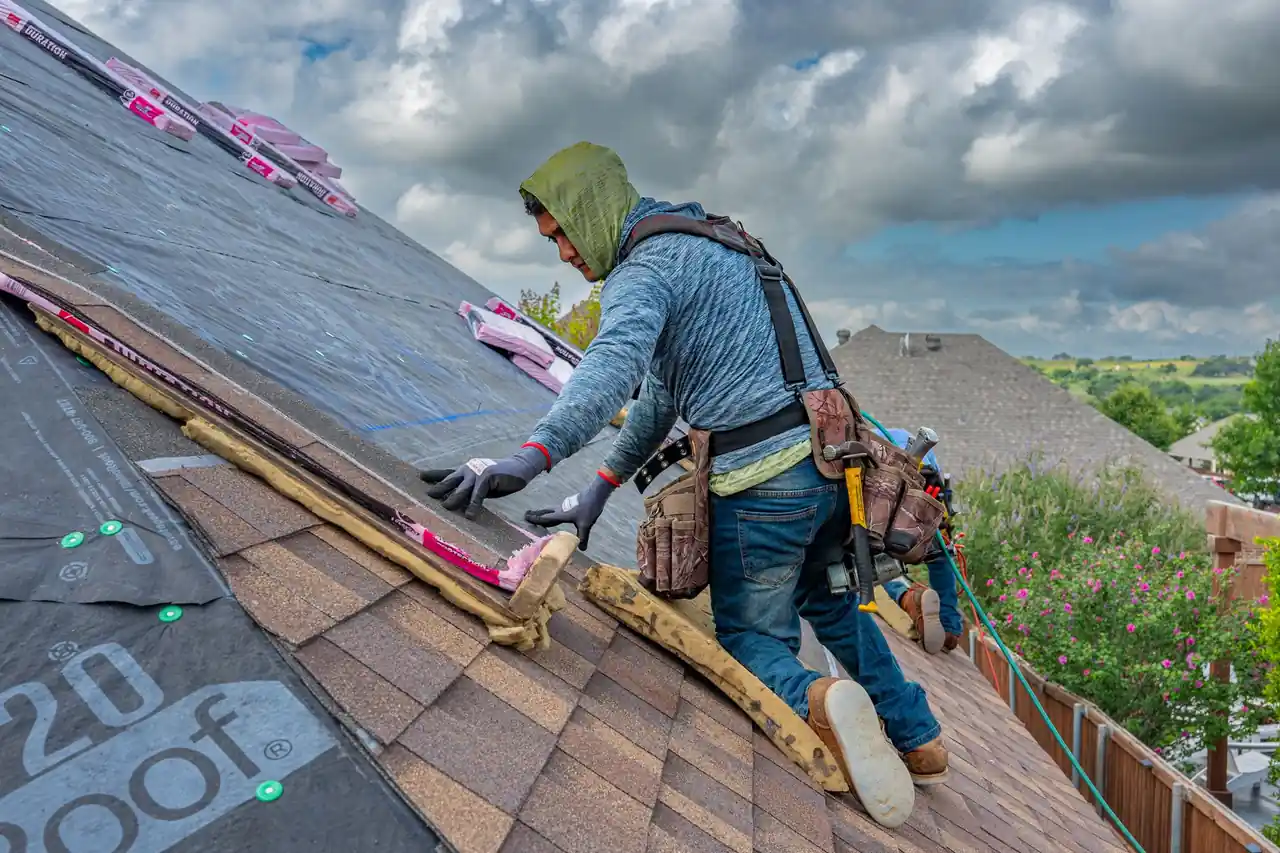
This pattern usually points to a cracked crown or an open flue cap. We inspect the crown, reseal or rebuild it, and replace the cap if it has failed. The damper itself gets assessed and replaced if the corrosion is too far along. Water running down the flue corrodes the damper assembly and deposits mortar grit in the firebox. If ignored, the damper stops sealing, which means heat loss in winter and a chimney that smokes into the room.
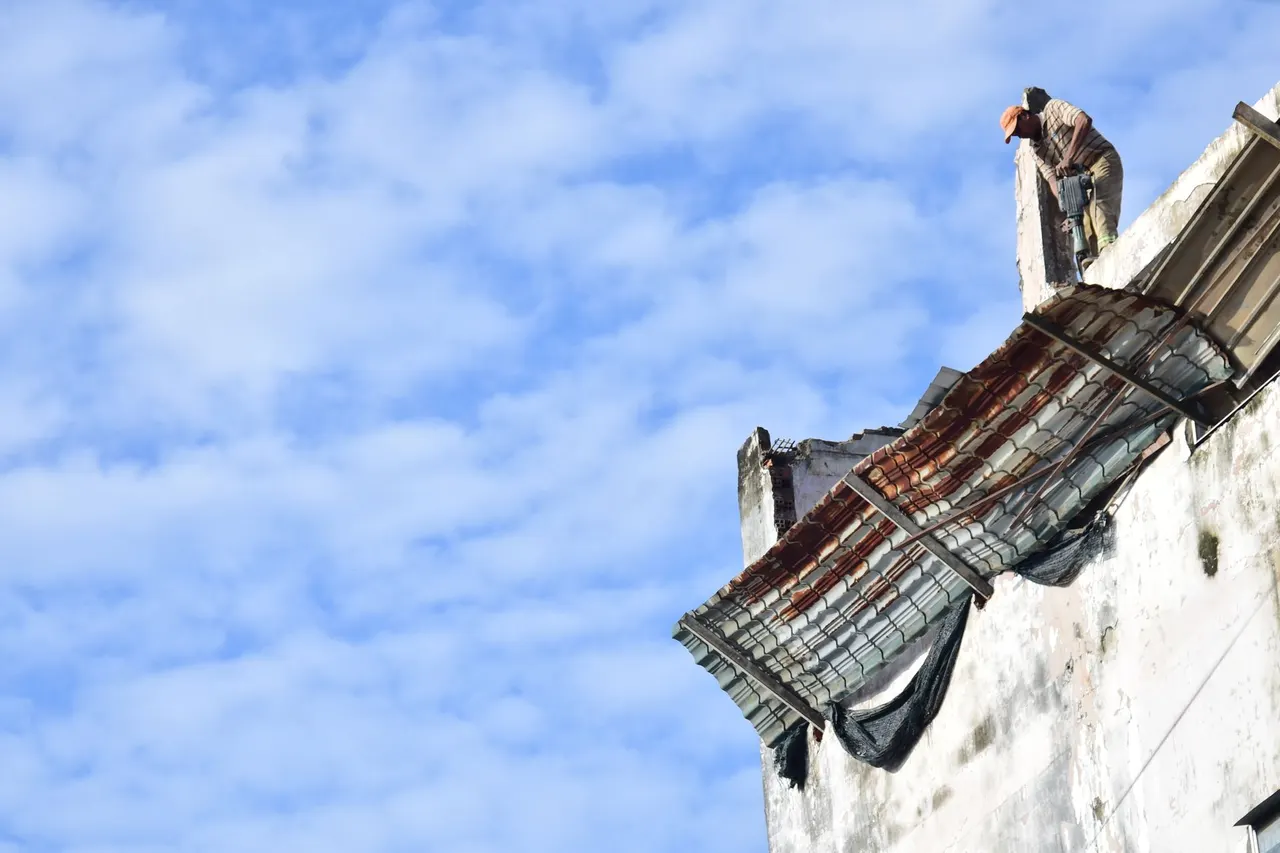
We repoint the open mortar joints and apply a breathable masonry sealer that lets the chimney dry from the inside. This stops the water at the surface and preserves the brick, which is much cheaper than a rebuild. Water on the exterior face means the masonry is absorbing and shedding water rather than keeping it out. Over time the mortar joints erode, the brick spalls, and the chimney needs a full rebuild instead of a repair.
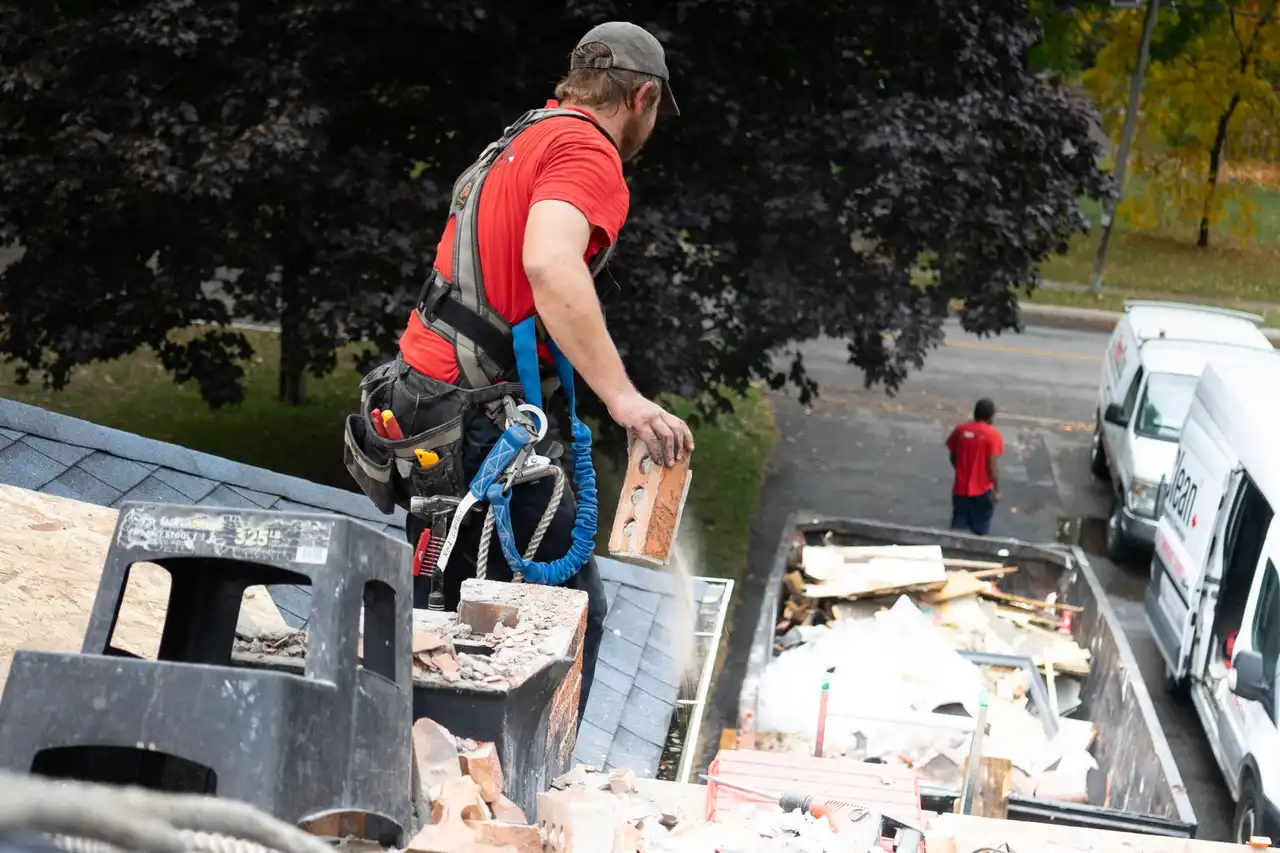
We stage the water test to simulate wind-driven rain by directing the hose at an angle. The infrared camera catches the interior reading even when the leak is small. Once confirmed, we seal the specific gap rather than replacing the whole flashing assembly. Wind-driven rain finds gaps that a normal storm misses: the cap, the flashing on the windward side, or a gap where the chimney meets the roof. These leaks are hard to reproduce, which is why they get misdiagnosed.
We test with water from a hose while a second technician watches inside with an infrared thermal imaging camera. That combination pinpoints the entry point on the first visit in most cases, which means you are not paying for a second trip or a second guess.
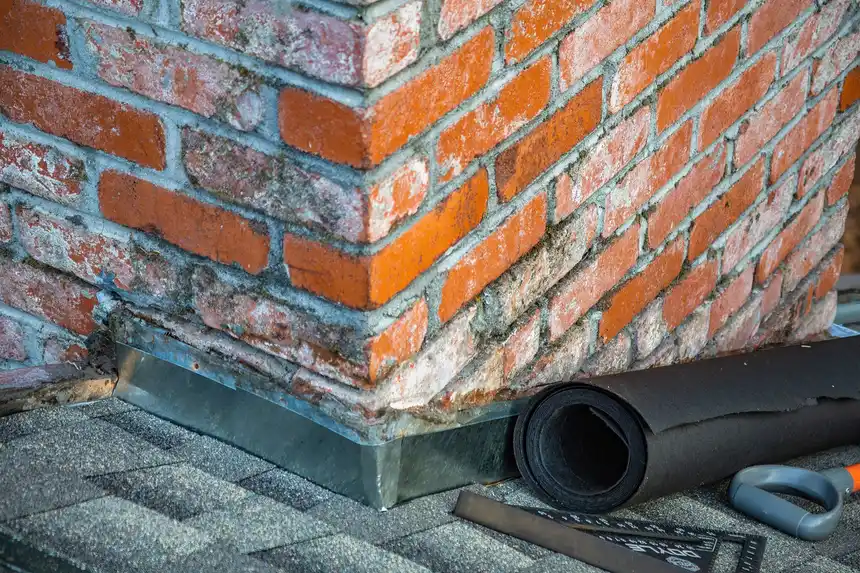
Most chimney leaks we open up in Alhambra are flashing leaks, not masonry leaks. We cut new step and counter flashing, set it in roof cement, and seal the joints with Henry or DAP sealant rated for the temperature swings this valley gets between a 40-degree January night and a 100-degree August afternoon.
Water that reaches your ceiling has already crossed the underlayment and probably a rafter. We check the attic side while we are up there, so a chimney leak does not quietly turn into a ceiling leak repair job six months later. One visit, both problems assessed.
When rain is coming in tonight, we tarp the chimney and the surrounding roof plane to stop the water, then return in dry weather to do the permanent repair. Emergency Chimney Leak Repair Alhambra CA calls get priority, including nights and weekends during storm weeks.
Clear records you can keep and share.
What was found and what was repaired
Before and after images of the repair
Interior readings before and after the work
Water rarely enters where the stain appears. It runs down the flue or along a rafter and lands somewhere else, which is why guessing at the repair usually fails.
The ceiling stain shows where water exited, not where it entered. Testing the chimney from the roof is how the real entry point gets confirmed.
The sealant around chimney flashing shrinks in summer heat and cracks. The first heavy winter storm finds the gap, which is why so many leaks appear in the same two-week window.
A cracked crown lets water run down the flue and into the firebox. It is easy to miss from the ground, so it gets inspected from the roof during every chimney call.

Not sure if we cover your area? Call and ask. (626) 640-8498
Most chimney leak repairs in Alhambra run $350 to $1,200 in 2026, with the average around $650. Crown resealing sits at the low end. Flashing rebuilds with new step and counter flashing sit in the middle. Full masonry repointing or a chimney rebuild pushes higher. Emergency calls after hours add a trip premium. You get the number before we start.
The three most common causes we find in Alhambra are failed flashing where the chimney meets the roof, a cracked crown on top, and open mortar joints in older masonry. Flashing fails first because the sealant shrinks in summer heat, then the first heavy winter rain finds the gap. A rusted damper or grit in the firebox usually points to the crown.
We do. Roof Repair Alhambra Pros handles chimney leak fixing across Alhambra and the surrounding San Gabriel Valley, including 91801, 91803 and 91804. We are a C-39 Roofing licensed contractor working out of Alhambra, so we are usually on your roof within a few hours of your call, not a few days.
Yes, flashing leaks are the majority of what we fix. We remove the failed step and counter flashing, cut new material to fit the chimney and roof plane, set it in roof cement, and seal the joints with a rated sealant. On a typical Alhambra home this takes two to four hours and the repair is tested with water before we leave.
If water is coming in at the chimney, every storm makes it worse. Call us, describe what you are seeing, and we will get a technician on your roof, usually the same day. We find the leak, fix it, and test it before we leave.
Call us at (626) 640-8498 or email info@roofrepairalhambrapros.com. We answer the phone during business hours and respond to emergency calls after hours. Same-day estimates are available for most jobs in Alhambra and surrounding areas.