Written scope
Findings and repair options in plain language
EPDM Roof Leak Repair Alhambra CA starts with finding the actual breach, not guessing at it. We handle rubber membrane roofs on homes, duplexes and commercial buildings across Alhambra, California, including seam splits, ponding damage and failed flashing. If water is staining your ceiling right now, call (626) 640-8498 and we will get a tarp or a patch on it before the next rain.
Every EPDM repair we do covers the full job: finding the breach, fixing it with membrane-compatible materials, and proving the repair holds. Here is what is standard on a typical call, and what we price separately when the roof needs more than a repair.
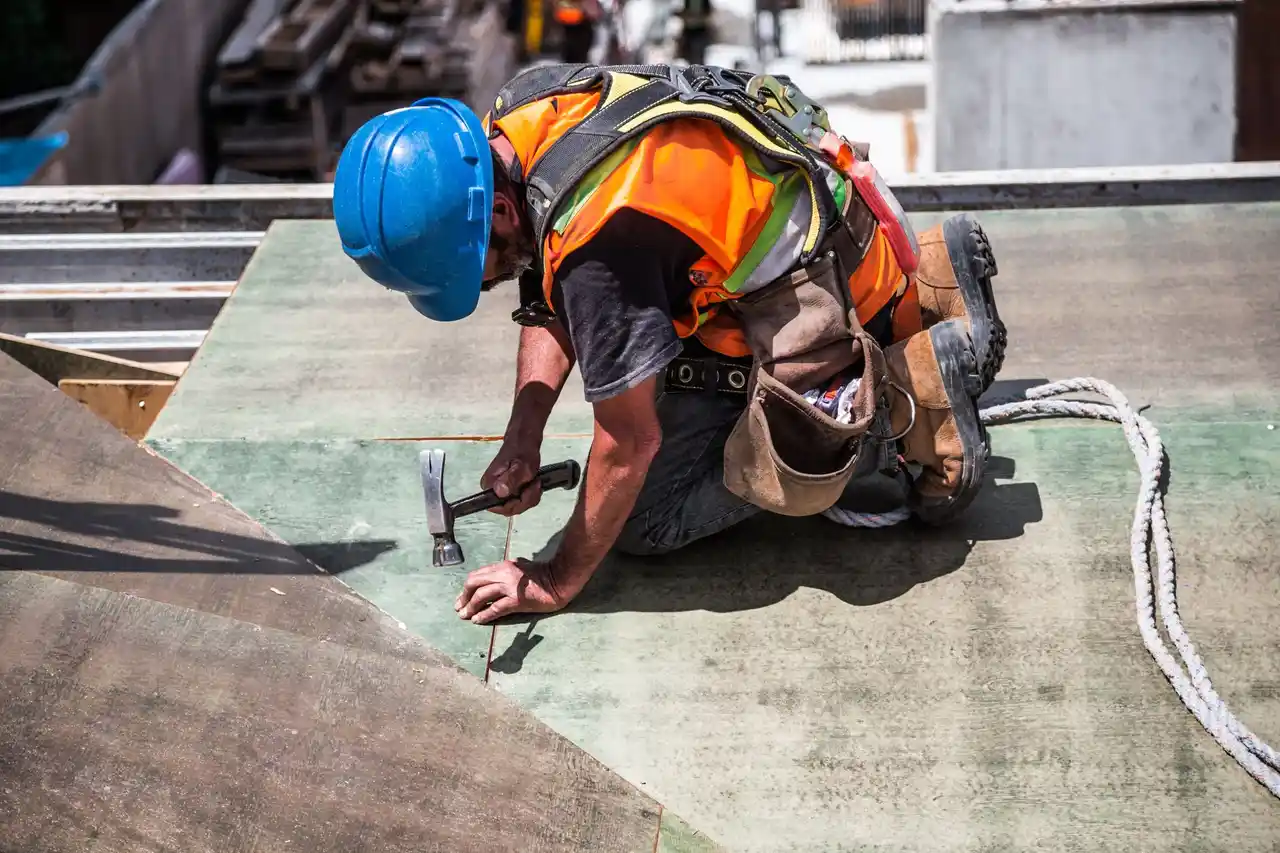
Flat roofs over garages, additions and patios leak at seams, pipe boots and wall terminations. We trace the water to its entry point and splice in new membrane so the repair holds through the rainy season.
Commercial flat roofs take foot traffic, HVAC loads and drain clogs. We repair the membrane around penetrations and curbs and work around your operating hours so tenants are not disrupted.
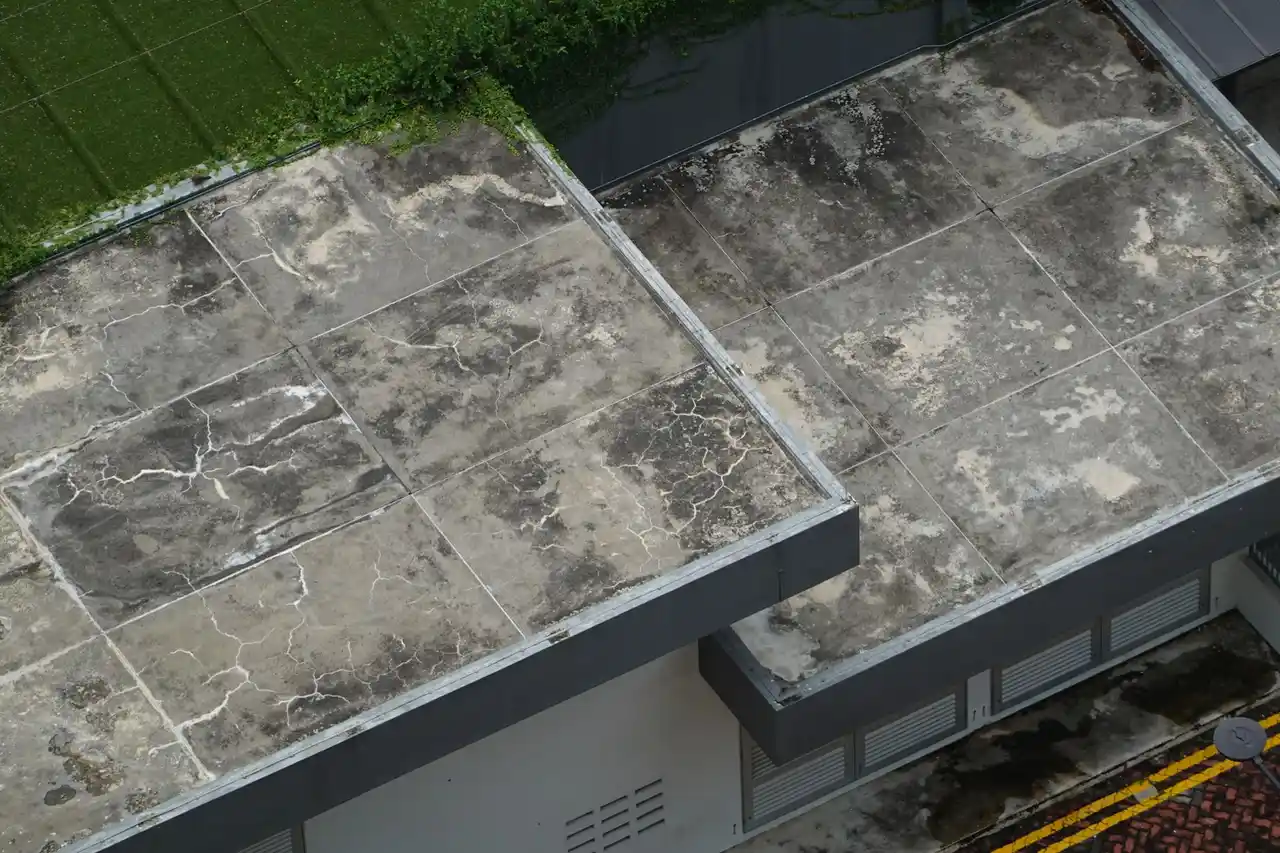
EPDM Roof Leak Repair Alhambra CA is the process of locating and sealing breaches in a black rubber membrane roof, then restoring the assembly so it sheds water again. EPDM is a single-ply rubber sheet, usually 45 to 60 mil thick, glued or mechanically fastened over insulation and a cover board. It fails in predictable places: seams where two sheets overlap, terminations at parapet walls, pipe boots, and any spot where standing water sits for more than 48 hours. We cut out the failed section, clean it with splice cleaner, apply Carlisle SynTec or Firestone primer and splice adhesive, then roll a new membrane patch with a 3-inch overlap and seal the edges.
Most Alhambra calls we take are on flat or low-slope roofs over garages, additions and small commercial buildings. The pattern is always the same: a ceiling stain appears after the first real storm, the homeowner climbs up with a hose, and the water shows up somewhere other than where the hole is. That is normal on EPDM, because water travels along the deck before it drips. If you are searching for EPDM roof leak fixing near me Alhambra, the fastest path is a moisture meter and an infrared scan, not a tube of roof cement. We do both before we touch the membrane.
Find the breach, splice it properly, and test it before the next storm.
Five steps, no mystery. You know what happens, who is on your roof, and what it costs before anyone starts cutting membrane.
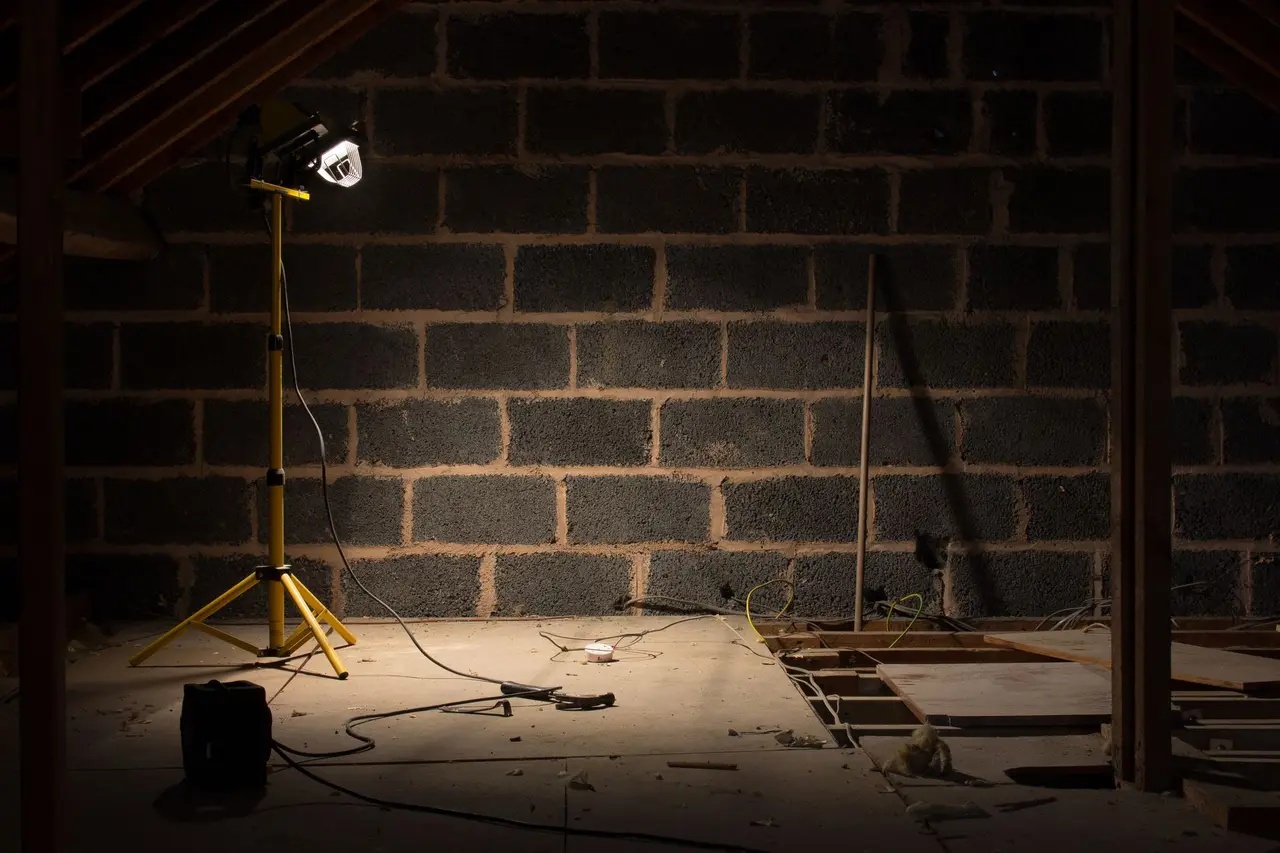
You describe what you are seeing: ceiling stain, dripping vent, water in the garage. We ask when it started and whether it follows rain or happens daily. That conversation usually tells us whether you need a tarp tonight or a scheduled inspection tomorrow. Same-day slots are normal for active leaks.
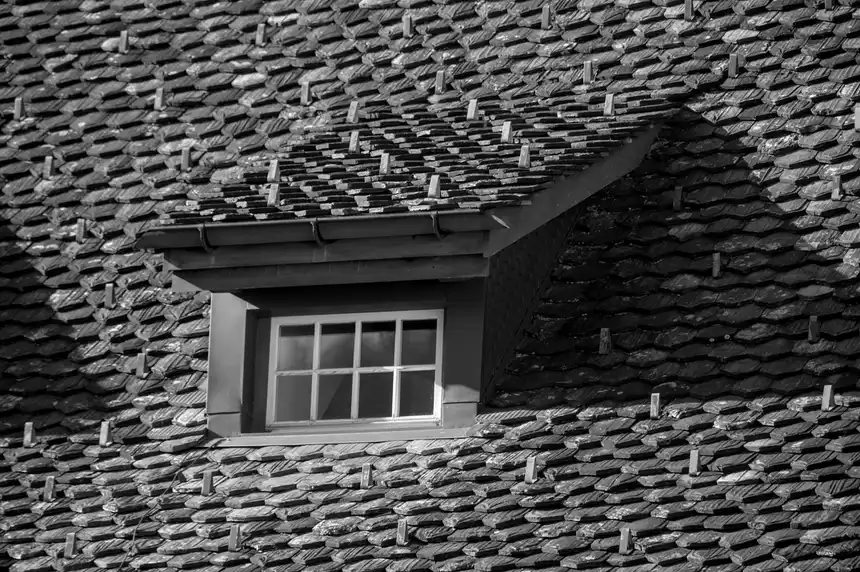
We walk the membrane, check every seam, termination, pipe boot and drain, and scan the wet area with an infrared thermal imaging camera. A moisture meter confirms what the camera shows. Expect 45 to 90 minutes on a typical residential flat roof, longer on commercial buildings with multiple roof sections.
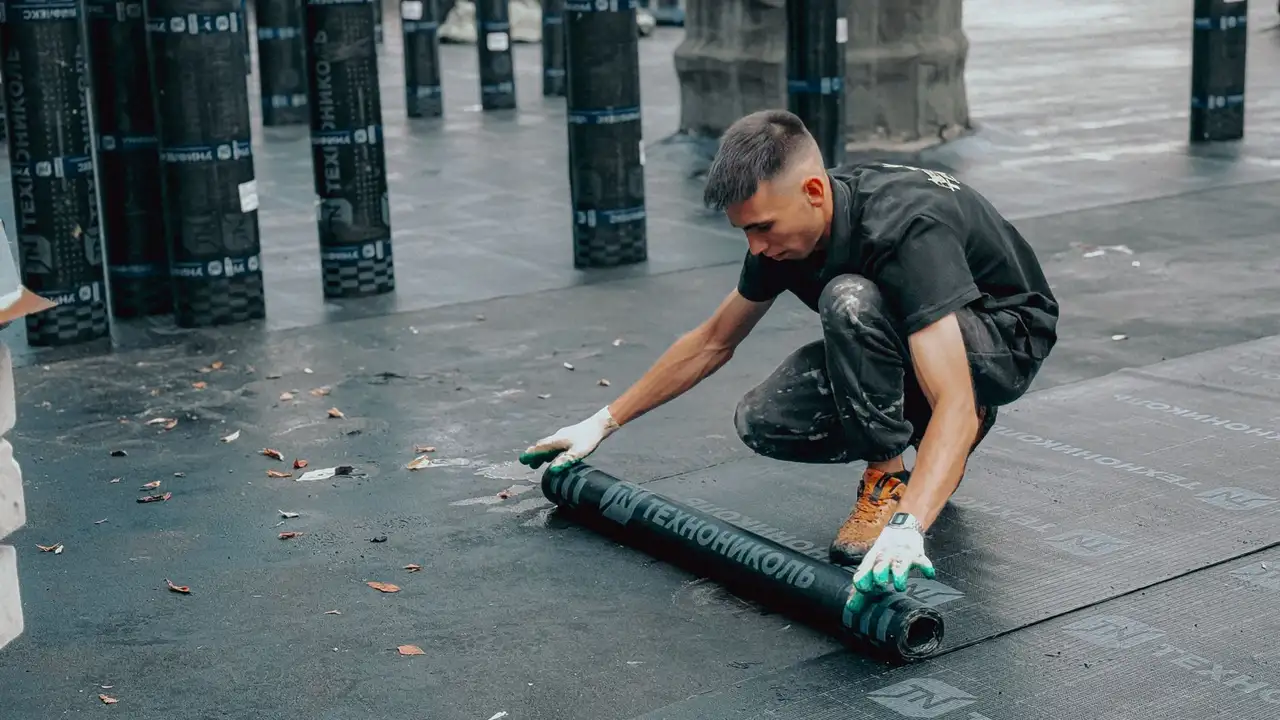
You get the findings in plain language: where the water is entering, what failed, and what it takes to fix it. Repair options are priced separately from replacement so you can compare. No work starts until you approve the number.
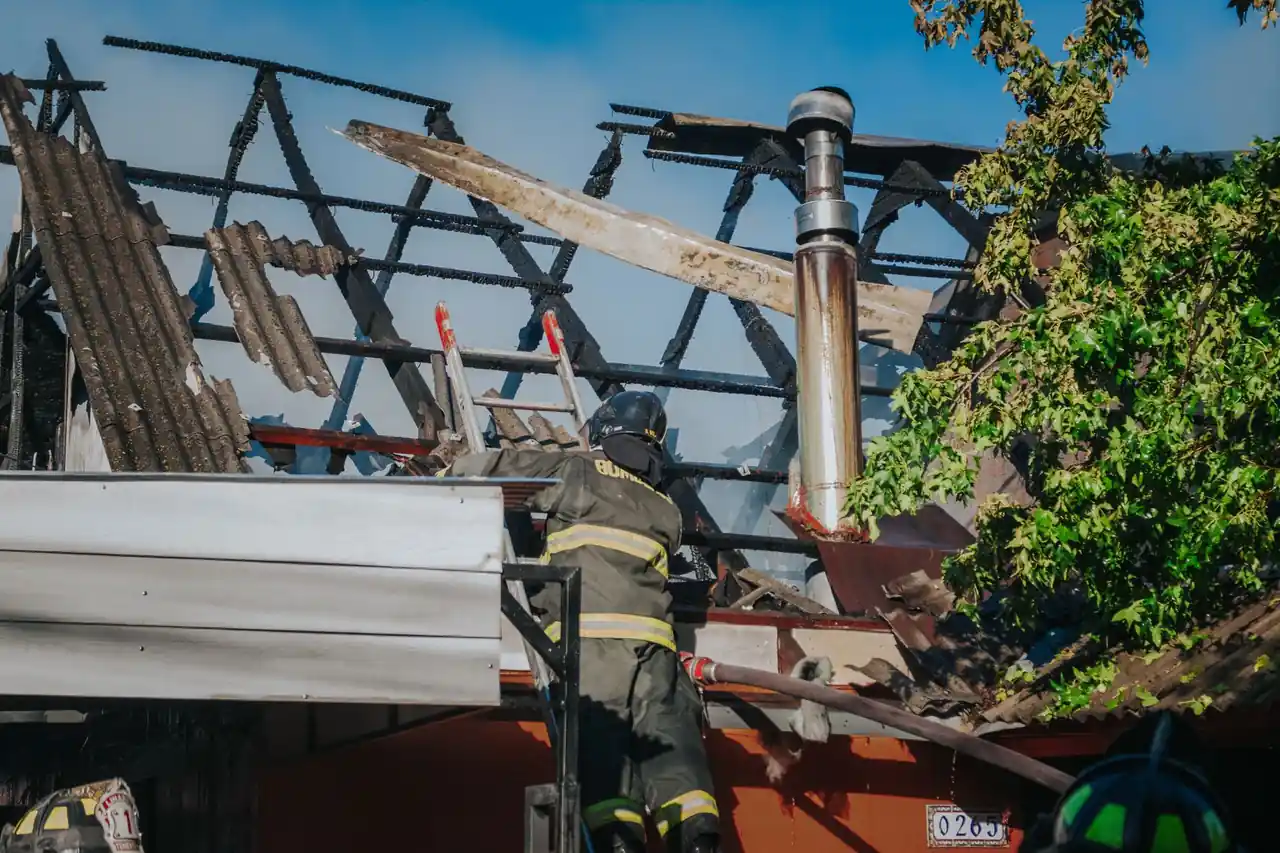
We cut back the failed membrane, clean and prime the substrate, and splice in a new EPDM patch with a 3-inch overlap. Seams get rolled with a hand roller. Flashings at walls and curbs get re-secured and sealed. Most single-point repairs take two to four hours.
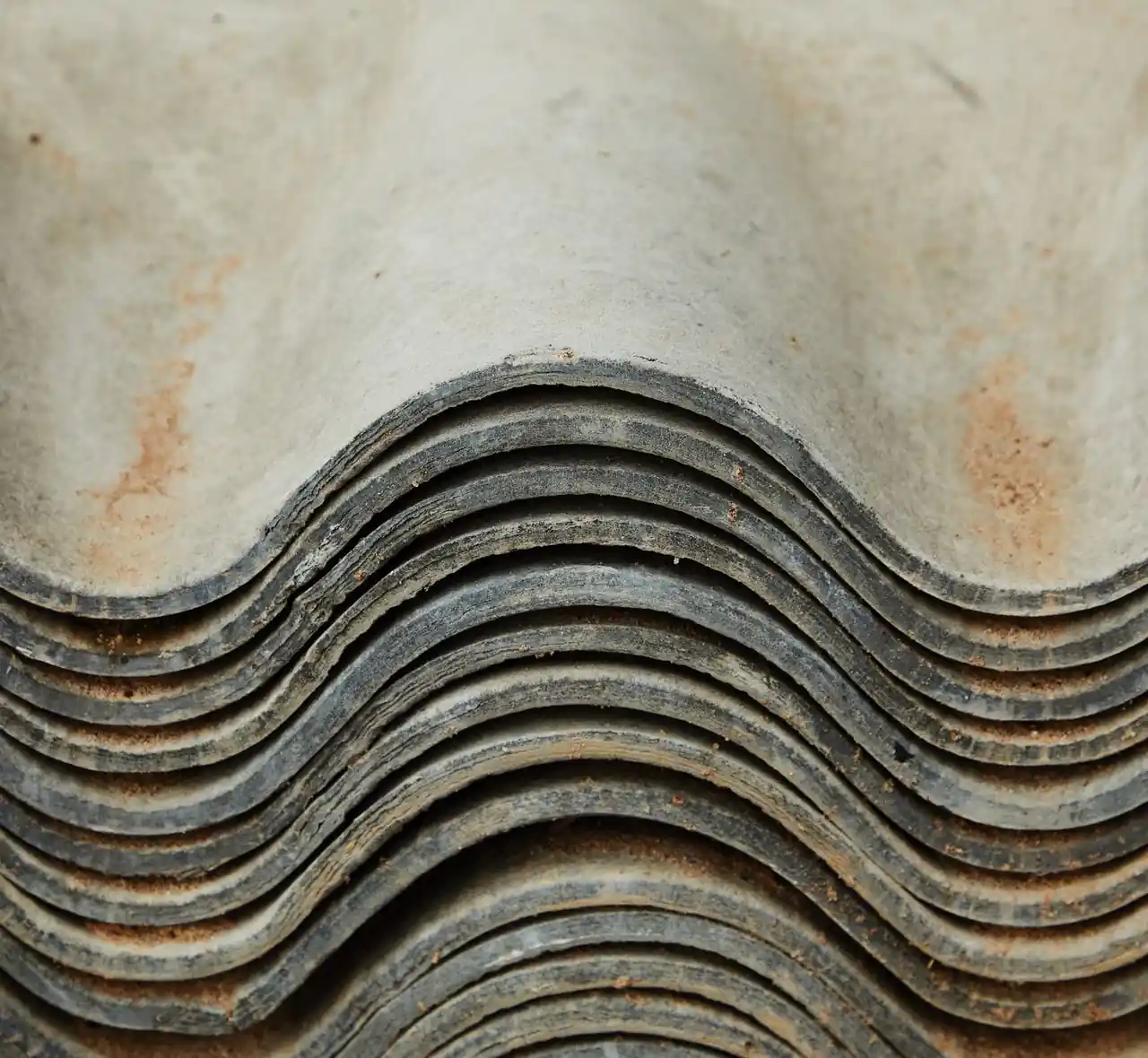
Before we leave, we flood-test the repaired area with a hose and watch it for 20 minutes. Then we walk you through what we did, show you the patch, and tell you what to keep an eye on. You get photos of the finished work.

Reads the temperature difference between wet and dry insulation beneath the membrane. It narrows a large roof down to the actual wet area in under an hour.
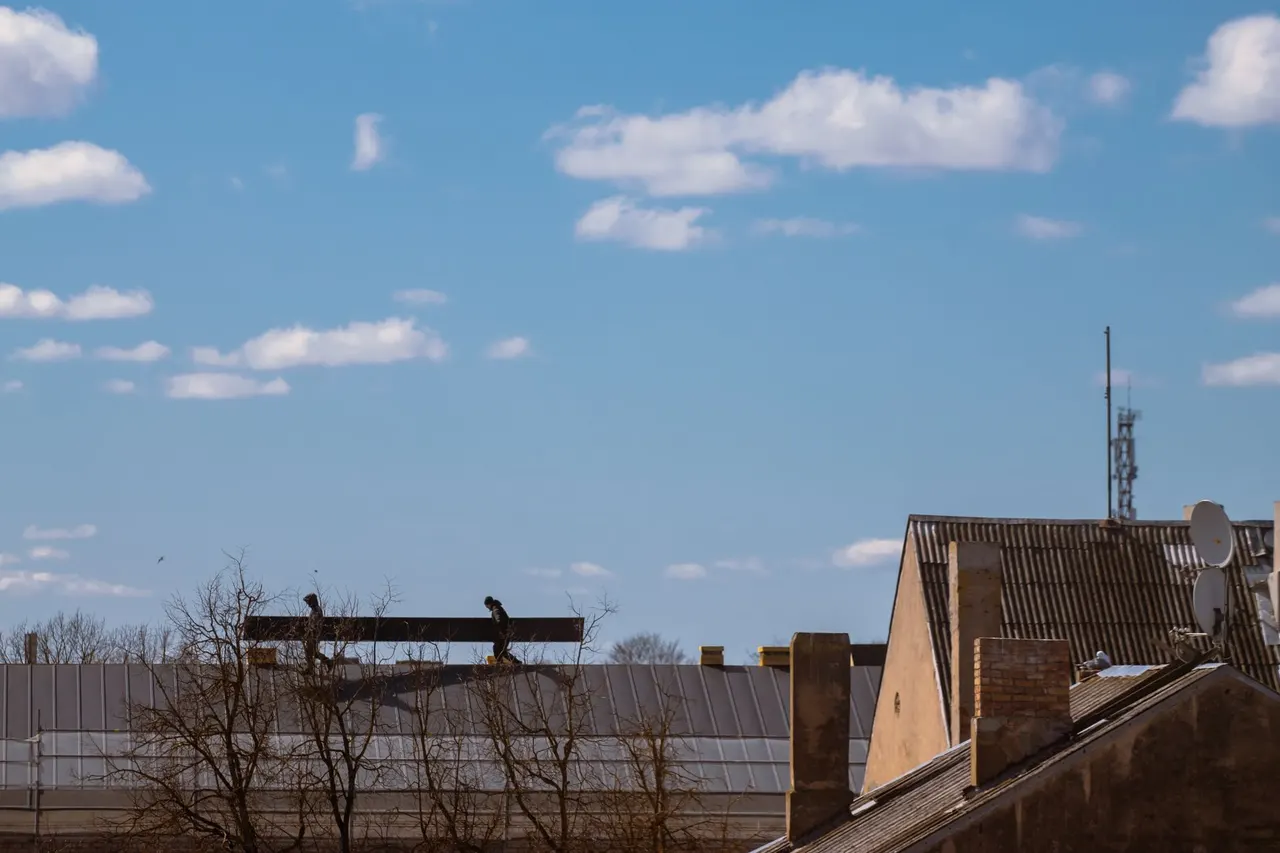
Confirms what the thermal camera shows. We take readings at multiple points to map how far water has spread under the membrane.

Safe access on low-slope roofs. OSHA-compliant setup so the crew can work the full roof without cutting corners on safety.
Pushes air out of the splice and forces full contact between the patch and the existing membrane. Skipping this step is why most patches peel.
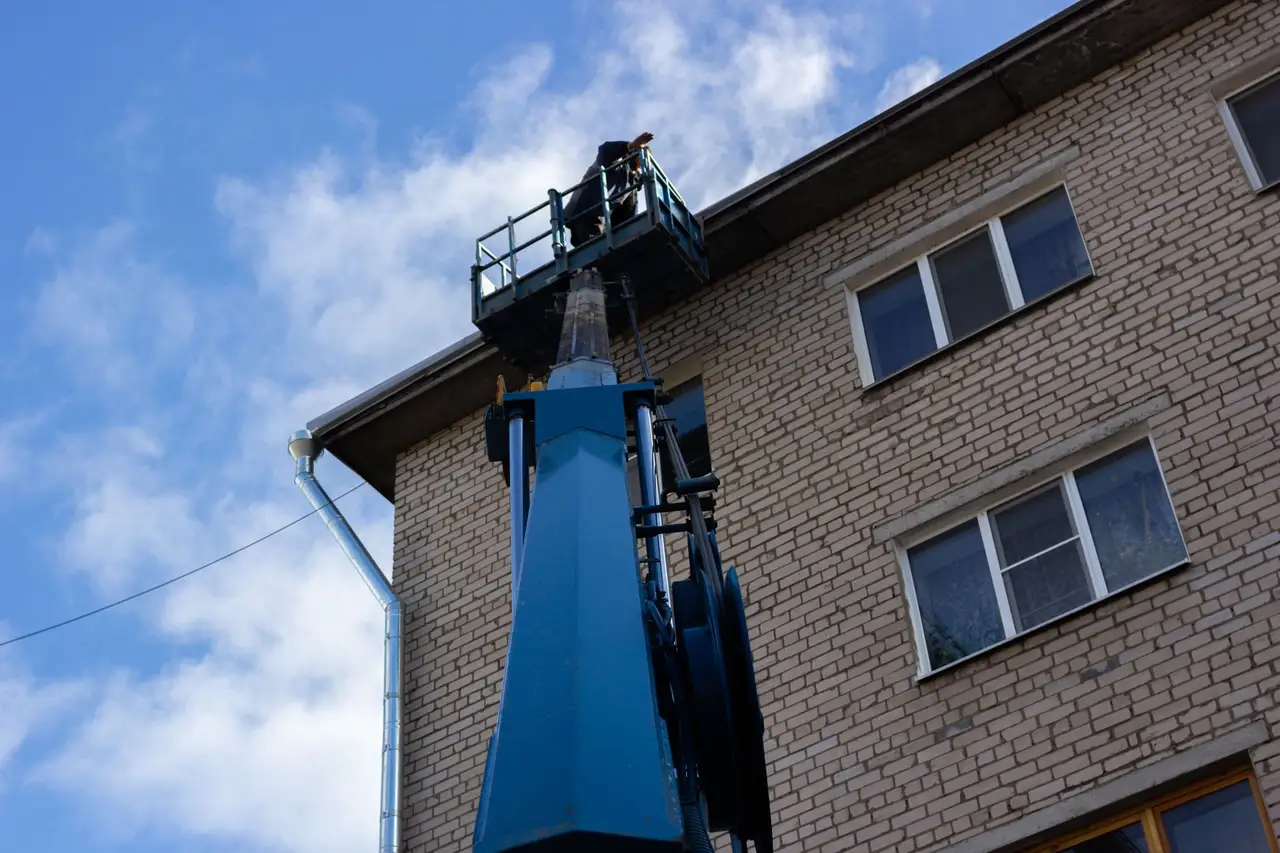
Controlled application of primer and sealant, and clean cuts when trimming back failed membrane before the new patch goes down.
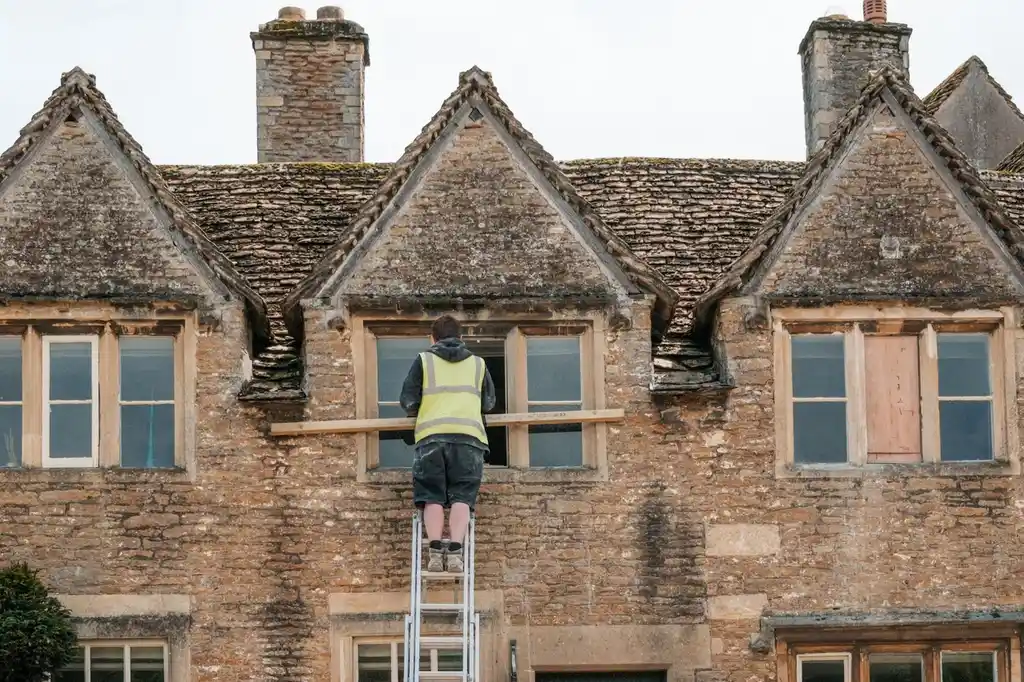
The hose is for flood-testing the repair before we leave. The tarp is for stopping active leaks the same night so interior damage does not spread.
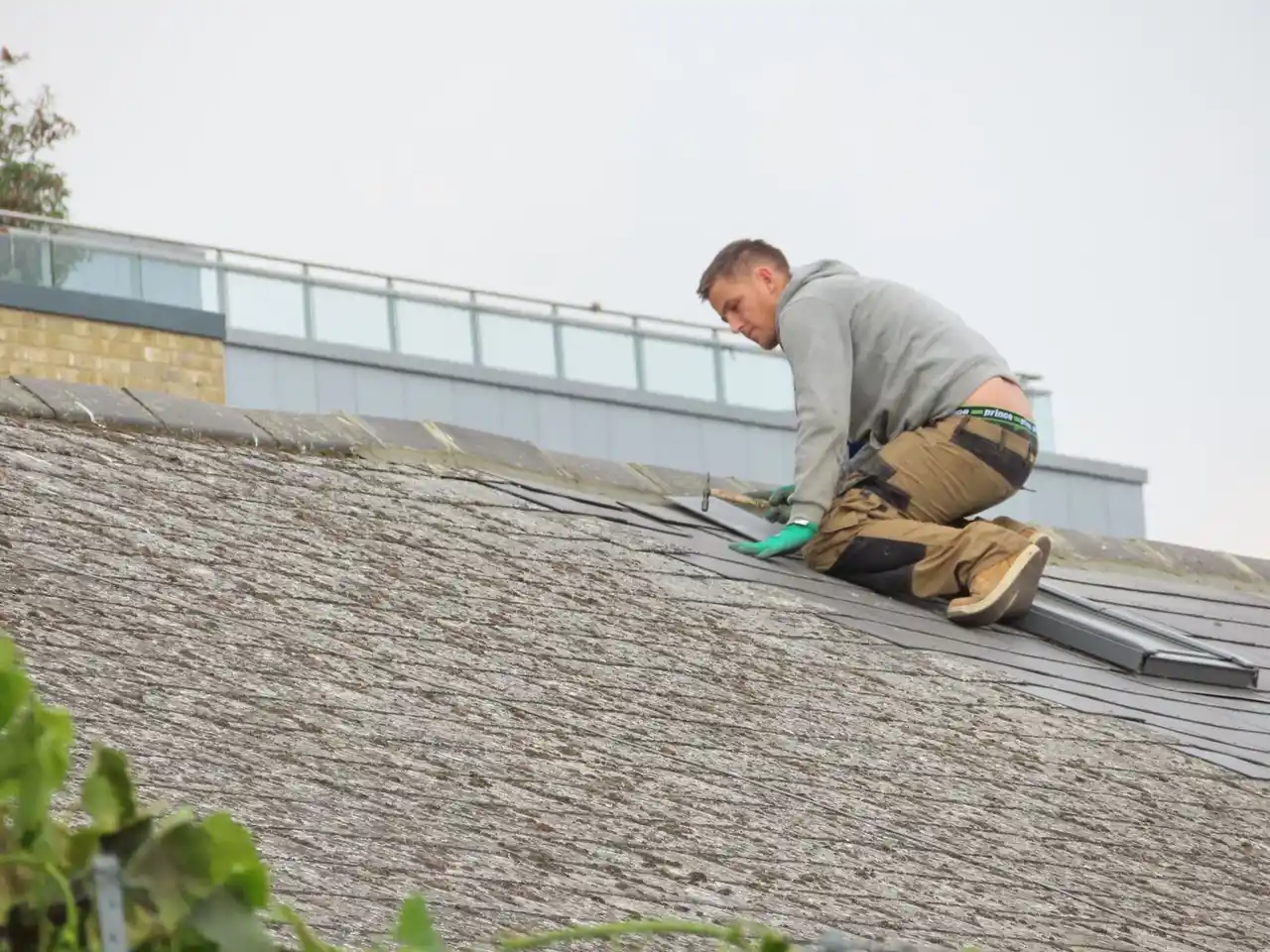
We scan the roof with the thermal camera, then confirm with a moisture meter at each suspect point. This combination finds leaks that a visual inspection misses, especially on EPDM where water travels along the deck before it drips.
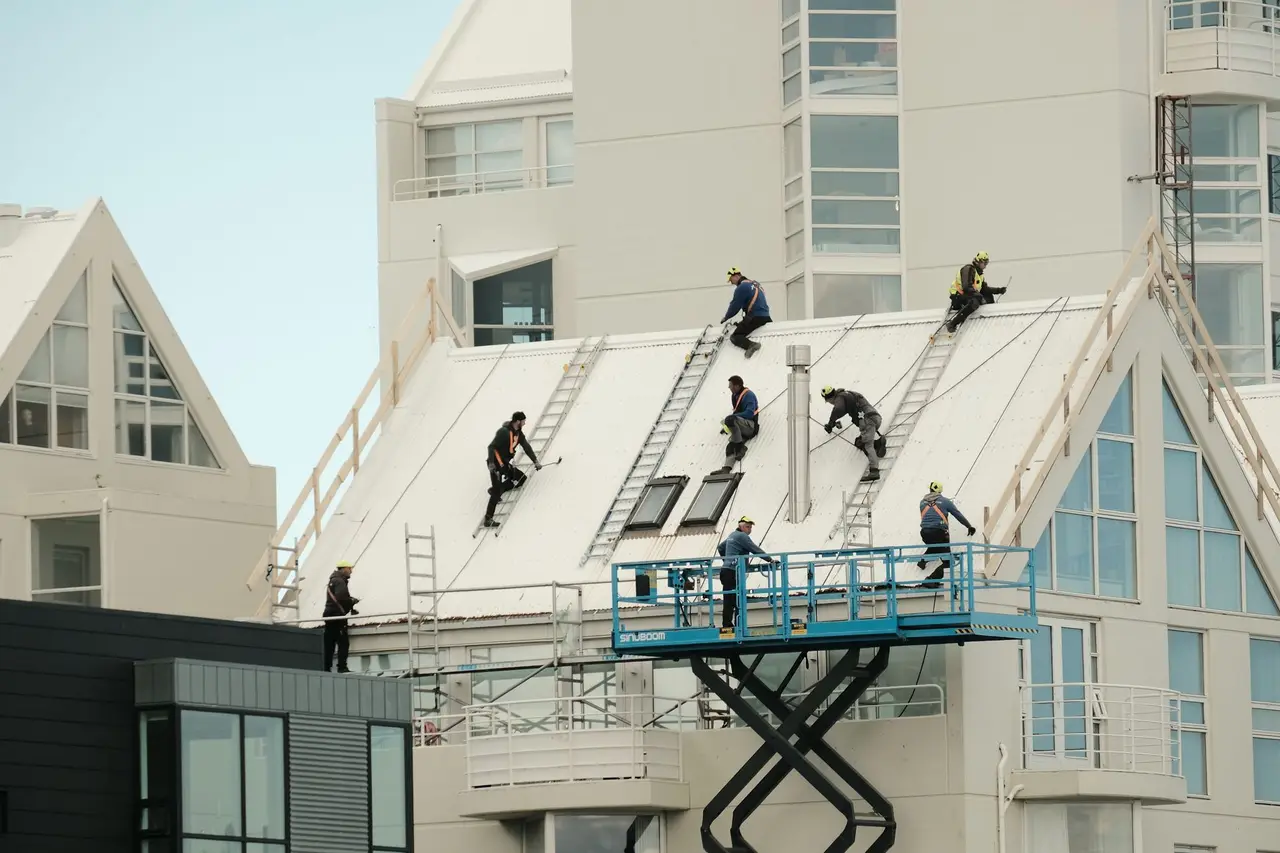
Failed membrane is cut back to sound material, cleaned with splice cleaner, primed on both surfaces, and bonded with Carlisle SynTec or Firestone splice adhesive. The patch overlaps 3 inches in every direction and is rolled by hand.
We inspect the roof above the stain, scan with the thermal camera, and trace the water to its actual entry point. Most of these turn out to be a seam or a pipe boot, not the spot directly overhead. You get the leak stopped in one visit and a dry ceiling within a few days, plus photos of the repair for your records.
We inspect the entire membrane rather than chasing each complaint separately. Multiple drips usually mean one or two shared failure points, and fixing them together costs less than three separate calls. One written scope covering all the repairs, priced with repair and replacement shown separately so ownership can decide.
We tarp the roof that night to stop the water, then return once the deck dries to do the permanent EPDM splice. Splice adhesive will not bond to a wet substrate, so the tarp is not optional. The interior damage stops that night, and the permanent repair happens within a few days once conditions are right.
We inspect the membrane, document its actual condition, and repair any active leaks. If the roof has real life left, we say so in writing. If it does not, you know before the buyer asks for a credit. A clear condition report and a repaired roof, which usually keeps the sale on schedule without a last-minute price cut.
Alhambra sits in Los Angeles County with a climate that is hard on rubber membranes. Summer surface temperatures on a black EPDM roof regularly exceed 150 degrees, and winter nights drop into the 40s. That daily swing makes the membrane expand and contract, and the seams take the stress. Most of the flat roofs we work on are over garages, additions, patio covers and small commercial buildings built between the 1940s and 1970s, and many have been patched with roof cement at some point. Roof cement does not bond properly to EPDM, so those patches fail and often hide the real breach underneath. When you call for affordable EPDM Roof Leak Repair Alhambra CA, we start by removing the old cement and getting down to clean membrane. We also check for ponding, because the flat roofs in this area were often built with minimal slope and a single drain. If the drain clogs with leaves, water sits and the membrane pays for it. That is why we check drainage on every leak call, not just the spot where water is coming in.
A 12-foot seam had separated along the overlap, and the homeowner had covered it with roof cement twice. Water was staining the garage ceiling and soaking the insulation above the drywall. The thermal camera showed the wet area extended about 8 feet past the visible split.
We removed the cement, cut the seam back to sound membrane, primed both surfaces and spliced in a new EPDM section with a 3-inch overlap. The flood test held. The garage ceiling dried out over the following week and the stain stopped spreading.
Keep the drain clear of leaves and check the seam line each fall before the rainy season. A visual check twice a year catches separation before water gets under it.
A 2,000 square foot commercial EPDM roof had a clogged drain and standing water up to 2 inches deep near the HVAC curb. The membrane around the curb had started to blister, and a tenant reported a drip near a light fixture.
We cleared the drain, repaired the membrane around the curb with a new splice, and resealed the HVAC penetration. Water now drains within an hour of a storm. The tenant drip stopped and no interior repair was needed beyond paint.
Schedule a drain clearing before each rainy season and after any heavy leaf drop. Standing water is the single biggest cause of premature EPDM failure on commercial roofs.
Three vent pipes on a flat garage roof had collars that had cracked from UV exposure. Water was running down the pipes into the wall cavity, and the homeowner had a stain on the interior wall about 10 feet from the roof penetration.
We cut out all three failed collars and spliced new membrane details around each pipe. Total job time was about three hours. The wall stain stopped growing and the attic insulation stayed dry through the next storm.
Check pipe boots every couple of years for cracking or pulling away from the pipe. They are cheap to replace and expensive to ignore.
A small EPDM leak becomes a deck replacement if you ignore it long enough. These are the problems we see most often on Alhambra flat roofs, and what happens if they sit.
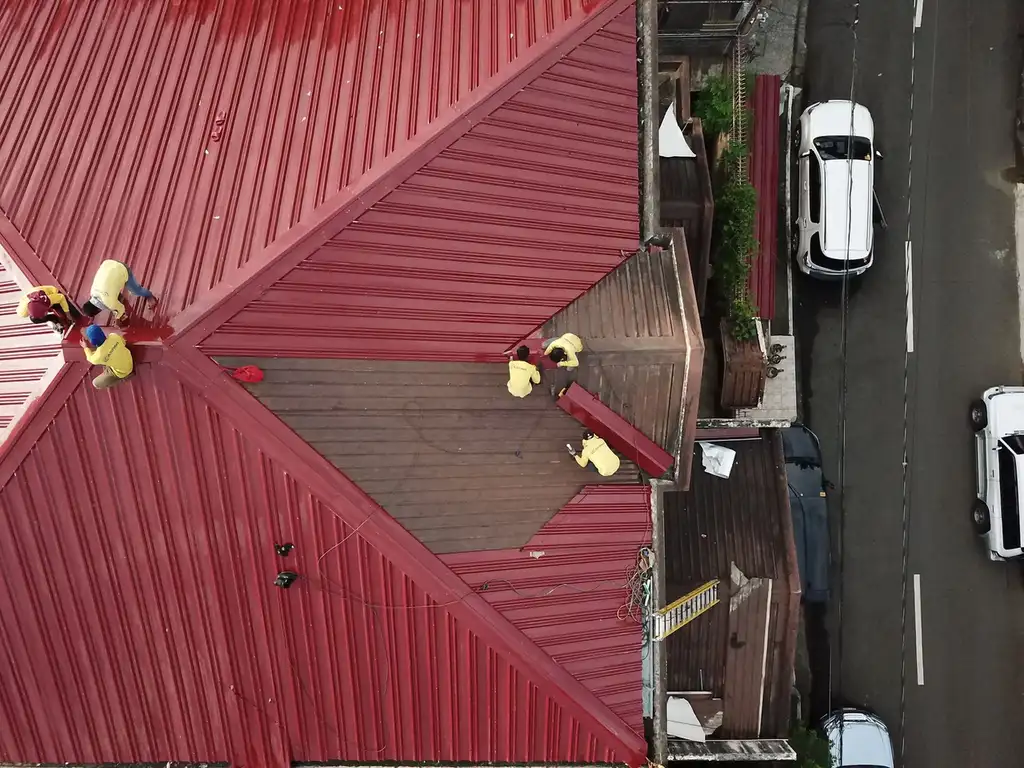
We cut back the failed overlap on both sides, clean and prime the membrane, and splice in a new section with a 3-inch overlap. The repair is rolled and flood-tested before we leave the roof. Water tracks under the membrane and soaks the insulation and cover board. Once the board is saturated, patching the surface does nothing and the whole section has to come up.
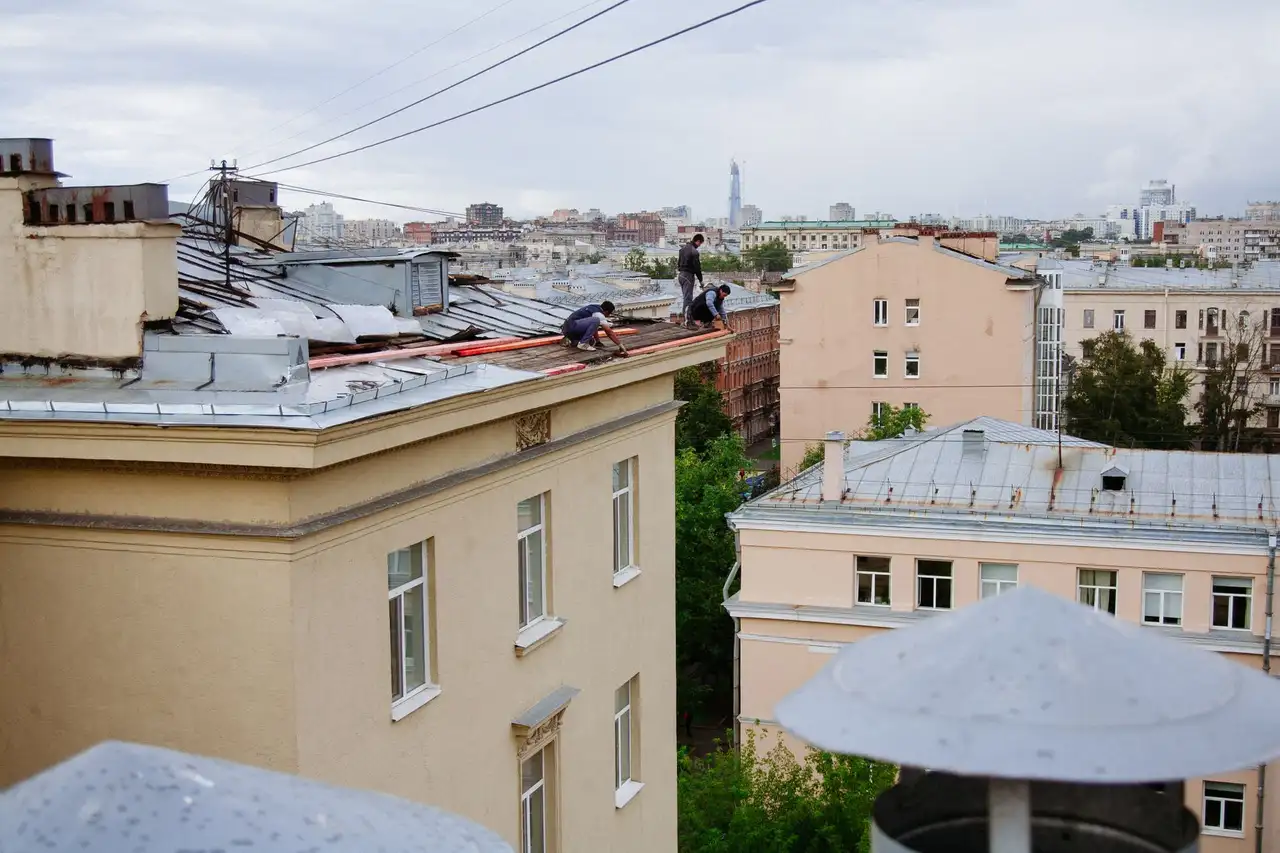
We locate the low spot, check the drain or scupper for blockage, and either correct the drainage or repair the membrane damage the ponding caused. If the ponding is structural, we tell you what it needs. Standing water for more than 48 hours breaks down the membrane from underneath and finds every weak seam. It also adds weight the roof structure was not designed to carry long term.
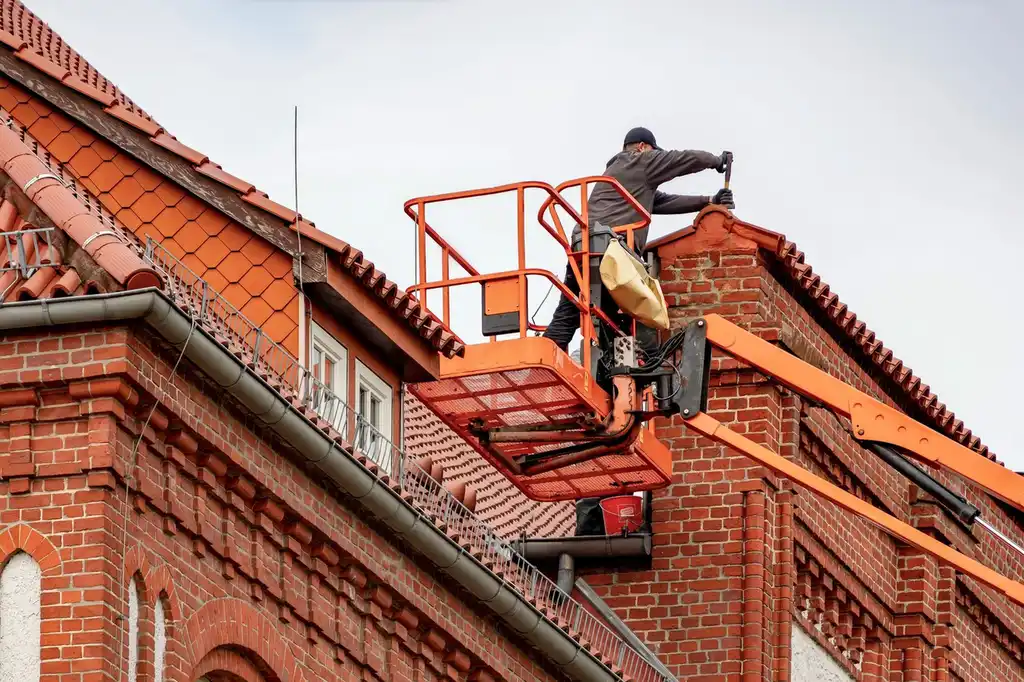
We cut out the failed collar and splice a new membrane detail around the pipe with proper primer and adhesive. This is one of the fastest EPDM repairs, usually done in under two hours. UV exposure hardens the rubber collar around pipes until it cracks. Water runs straight down the pipe into the attic or wall cavity, which is why the stain shows up far from the roof penetration.
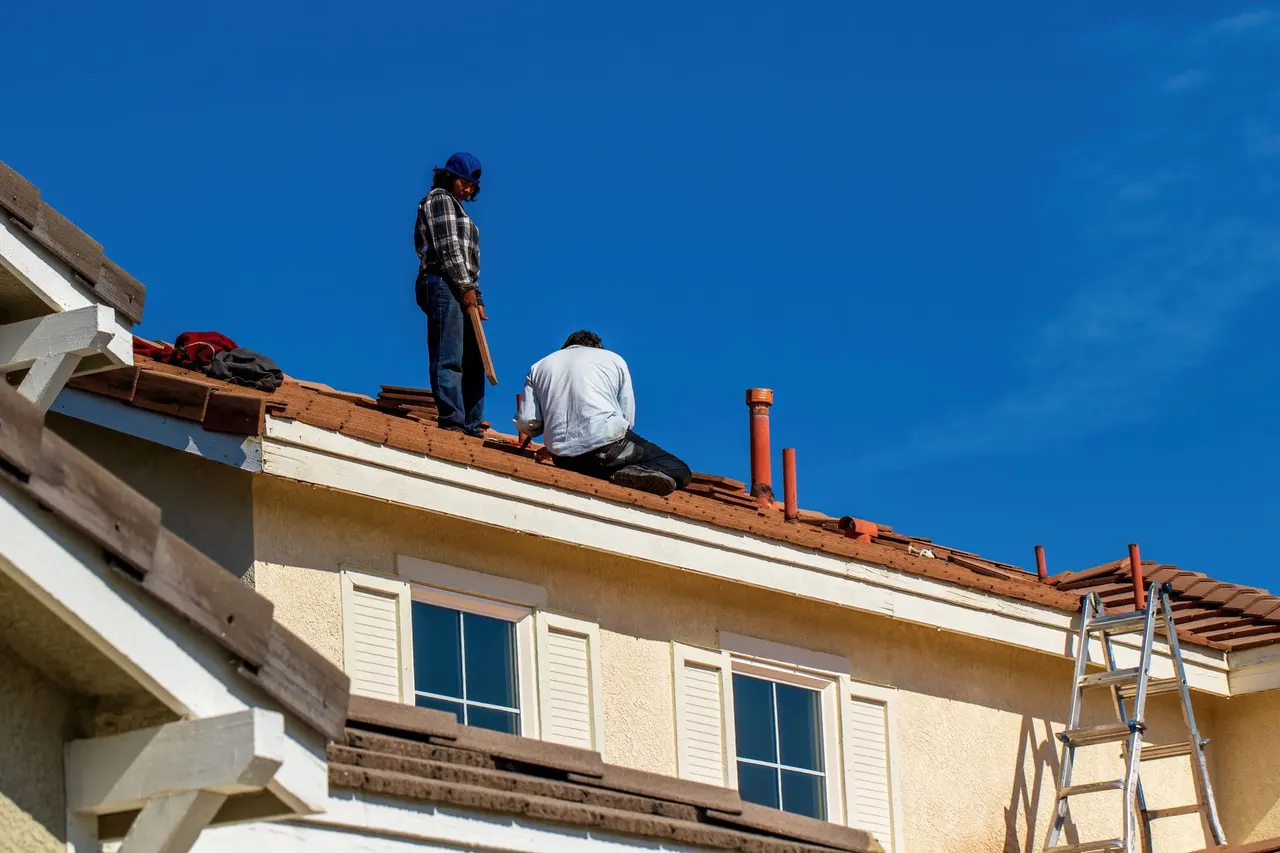
We re-secure the termination, replace any failed counterflashing, and seal the membrane-to-wall transition with materials rated for the substrate. Then we water-test the wall line specifically. When the membrane pulls away from the wall termination, wind-driven rain gets behind it. The leak shows up at the base of the wall inside the building, often months after the flashing failed.
We use an infrared thermal imaging camera and a pin-type moisture meter to trace water back to its entry point. On a typical Alhambra flat roof that takes 45 to 90 minutes. You get the actual source, not a guess, and you get it before we quote any repair work.
Alhambra roofs swing from 45 degrees in January to over 100 in August. Cheap patches dry out and peel in that cycle. We use splice adhesive and primer rated for the membrane, roll every patch with a 3-inch overlap, and pressure-test the seam before we pack up.
When water is coming through a ceiling light or pooling near a wall, we tarp first and diagnose second. Emergency roof tarping stops the damage that night, and we schedule the permanent EPDM repair as soon as the deck is dry enough to bond to.
If your membrane is 20 years old, brittle at the edges and already patched four times, we will say so. Sometimes a $400 repair is the right call. Sometimes it is throwing money at a roof that needs a new sheet. You get the honest read either way.
Clear records you can keep and share.
Findings and repair options in plain language
Before, during and after images of the repair
Confirmation the repaired area holds water
Water on a flat roof rarely drips straight down from the breach. It travels along the deck first, which is why the stain on your ceiling is often far from the actual hole.
Water follows the deck slope and insulation before it finds a path through. The visible drip point is usually not the entry point, so patching above the stain often misses.
Roof cement and standard caulk do not adhere properly to EPDM membrane. They peel within a season and trap moisture underneath, which makes the next repair harder and more expensive.
Standing water for more than 48 hours stresses the membrane and works into every weak overlap. Clearing the drain is often as important as repairing the seam itself.

Not sure if we cover your area? Call and ask. (626) 640-8498
Most single-point EPDM repairs in Alhambra run $350 to $900 in 2026, depending on access, roof height and how much membrane has to be cut back. A simple pipe boot reseal sits at the low end. A seam repair with new membrane and flashing work sits higher. Full membrane replacement on a 1,000 square foot flat roof typically runs $4,500 to $9,000. We give you the number before we start.
The three most common causes we find are failed seams, cracked pipe boots and ponding water that sits for days after a storm. Alhambra's heat cycling shrinks and stresses the membrane, and the adhesive at seams gives out first. Flashing at parapet walls and skylight curbs is the next most frequent failure point. A moisture meter and infrared scan will tell you which one you have.
We do, and we work across Alhambra and the surrounding San Gabriel Valley. Our crew holds a California Contractor License (C-39 Roofing) and handles both residential and commercial flat roofs. Call (626) 640-8498 and describe what you are seeing. If water is actively coming in, we will get a tarp on it the same day and schedule the permanent repair once the deck dries.
A single-point repair takes two to four hours on site, including the flood test. Seam repairs with new membrane and primer usually land at the longer end. If the leak turns out to be a full-system problem with multiple failed seams, we may need a second visit. You will know the schedule before we start, and we do not leave a roof open overnight.
Water on a flat roof does not wait, and neither should you. Call (626) 640-8498 and describe what you are seeing. We will tell you whether it needs a tarp tonight or an inspection this week, and we will give you a price before any work starts.
Call us at (626) 640-8498 or email info@roofrepairalhambrapros.com. We answer the phone during business hours and respond to emergency calls after hours. Same-day estimates are available for most jobs in Alhambra and surrounding areas.