Written scope
Photos and a plain-language explanation of the repair
Modified Bitumen Roof Leak Repair Alhambra CA starts with finding the actual source, not guessing at it. We handle flat and low-slope roofs on homes, duplexes, and commercial buildings across Alhambra, California, using infrared scanning and moisture meters before we touch a seam. If water is staining your ceiling right now, call (626) 640-8498 and we will get a tarp on it today.
Every repair visit includes leak detection, a written scope, the repair itself, and a water test before we leave. Here is what is covered and what would be a separate scope if your roof needs it.
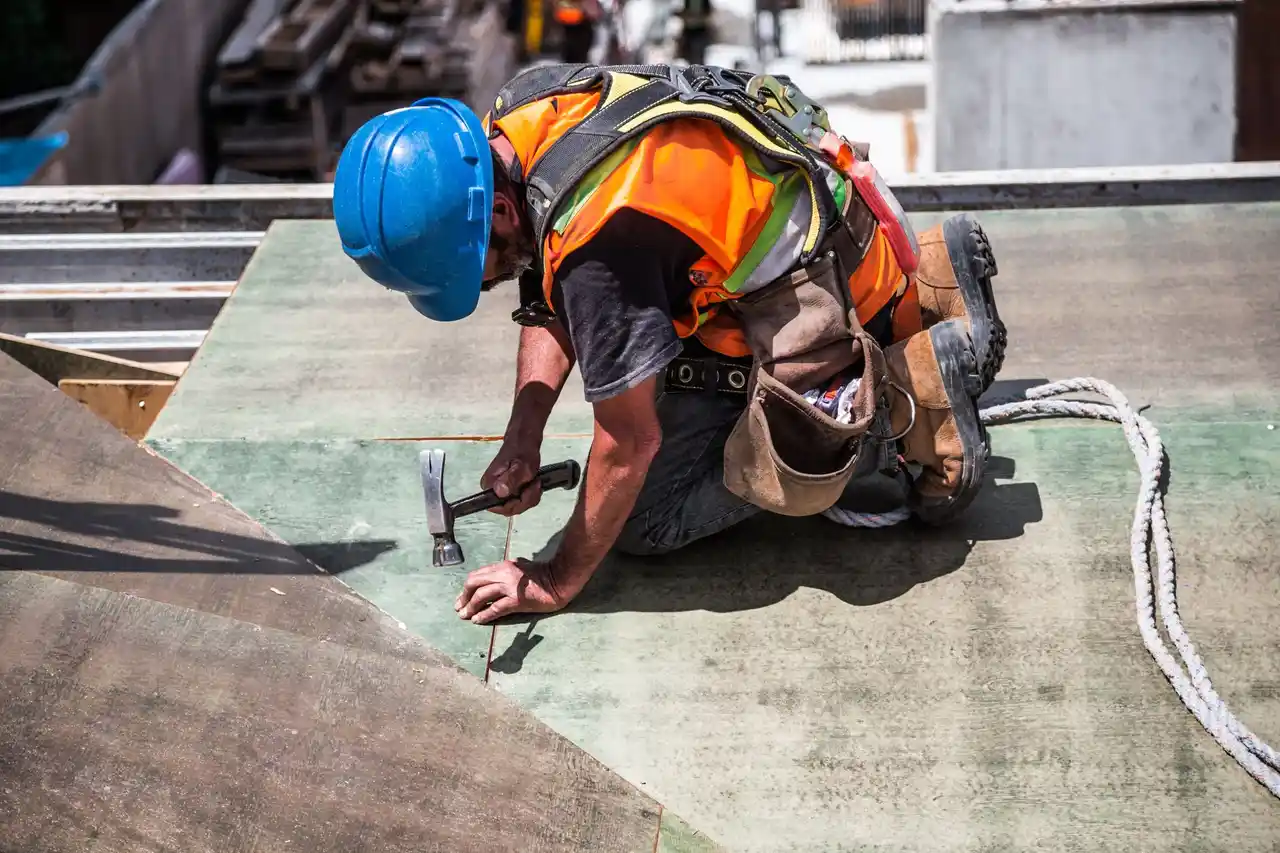
We repair flat and low-slope modified bitumen roofs on Alhambra homes, duplexes, and garages. We scan for the source, explain what we find, and fix the leak so your ceiling stays dry.
We handle flat roof leak repair for Alhambra commercial buildings and property managers. We work around tenant schedules and document the repair with photos and a written summary.
Modified bitumen is a rolled asphalt membrane reinforced with fiberglass or polyester, and it is the standard covering on most flat and low-slope roofs in Alhambra. Leaks in this material almost never start in the field of the roof. They start at the seams, at flashing, at penetrations, and at the edges where the membrane meets a wall. Repair means opening the failed area, drying it, and re-laminating new membrane so the layers bond into one continuous surface again.
Alhambra roofs take a specific beating. Summer surface temps on a dark membrane push past 150 degrees, then winter rain sits in low spots for days. That heat-and-water cycle opens seams and blisters the plies. If you have been searching for modified bitumen roof leak fixing near me Alhambra, the first step is a proper leak detection visit, because the stain on your ceiling is rarely directly under the hole.
Find the source first, then repair the membrane so it bonds as one surface.
Every job follows the same five steps. You get a clear scope, a flat price, and a dry roof when we leave.
You call (626) 640-8498 or book online. We ask where the stain is, how long it has been there, and whether the roof is flat or low-slope. Most Alhambra inspections get scheduled within 24 hours, and active leaks get priority.
We climb the roof with a roof ladder, then scan the surface with an infrared thermal imaging camera and check suspect areas with a moisture meter. This takes 30 to 60 minutes and tells us exactly where water is entering, not just where it is showing up inside.
We show you photos of the failed seam, flashing, or blister and explain what caused it. You get a written scope and a flat price before any work starts. No surprises, no change orders mid-job.

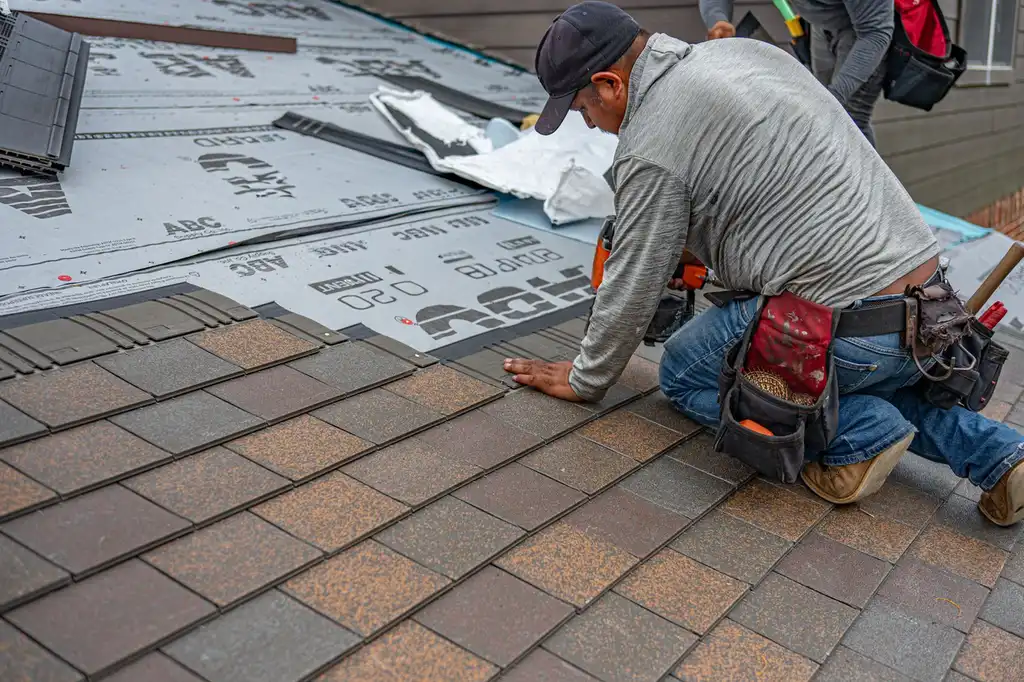
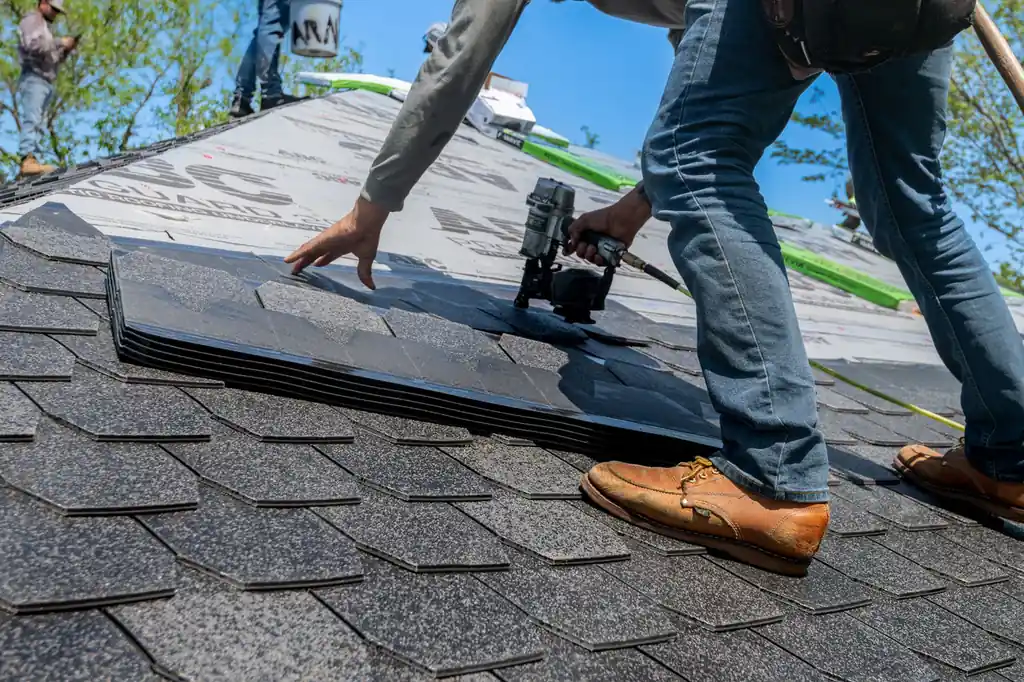
We cut out the failed membrane with a utility knife, dry the substrate, and apply new modified bitumen with roof cement and sealant. Seams get rolled and pressed so the plies bond. Most repairs take 2 to 5 hours depending on how many areas are involved.
We run a hose test over the repaired area and watch from inside if access allows. If it holds, we clean up, haul away debris, and walk you through what we did. You get a written summary of the repair and any maintenance notes for the rest of the roof.
Shows temperature differences on the roof surface that reveal trapped moisture under the membrane. This is how we find leaks without tearing the roof apart.

Confirms what the infrared camera suggests by reading actual moisture content in the membrane and substrate. We use it to verify every suspect area before quoting a repair.
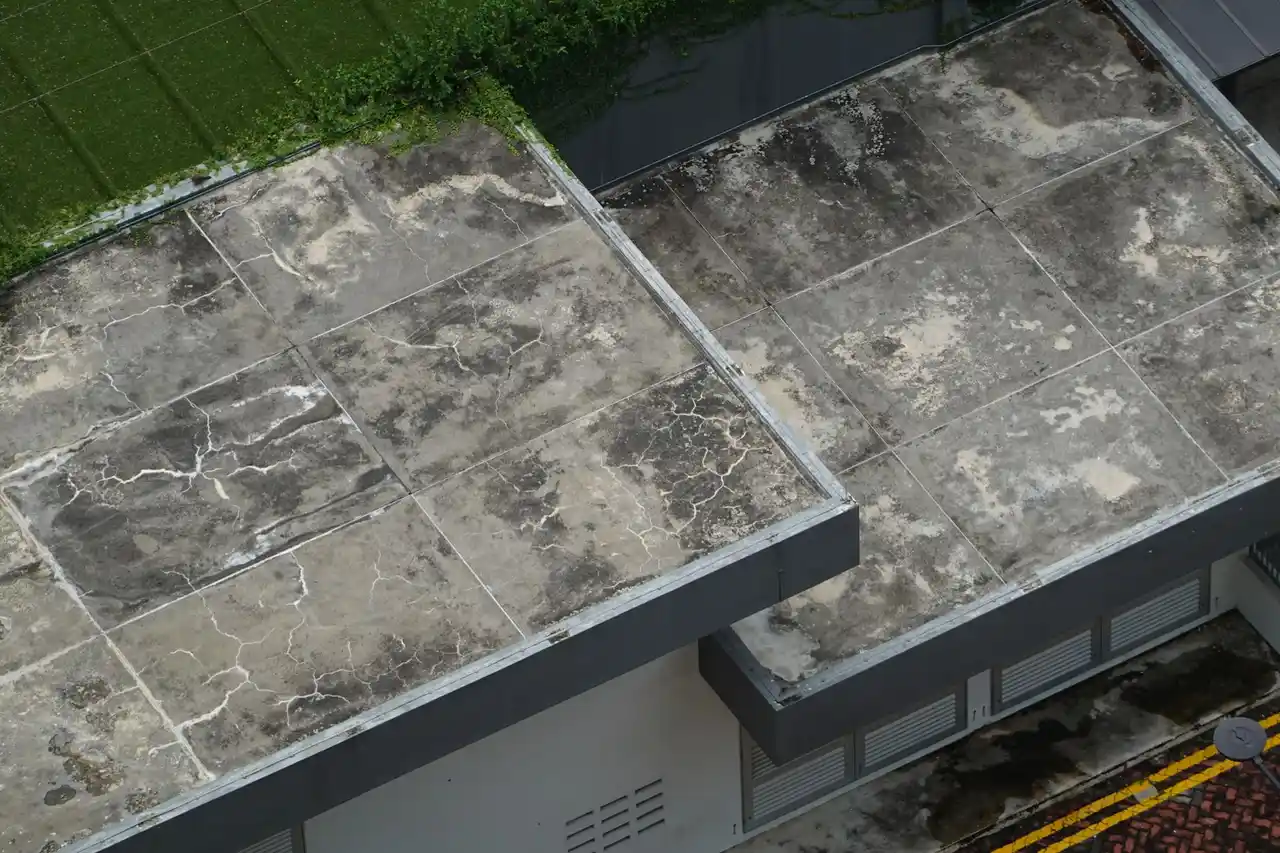
Safe access to flat and low-slope roofs. We set up fall protection on every job, including OSHA-compliant anchors on commercial buildings.

Cutting out failed membrane and lifting flashing or edge metal without damaging the surrounding roof. Clean cuts are what make the new membrane bond properly.
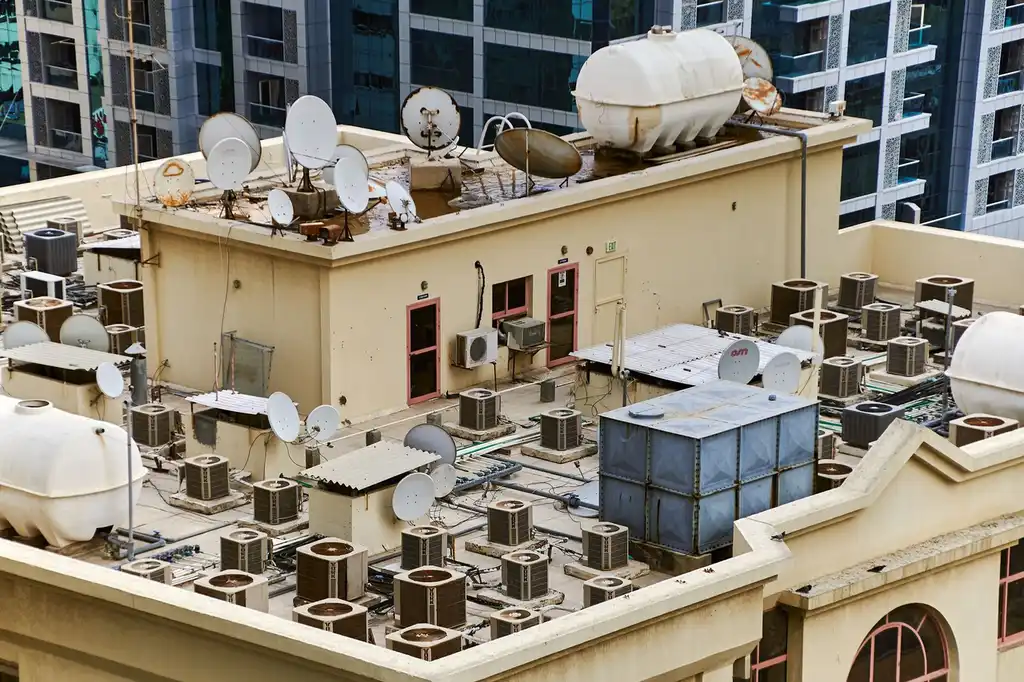
Applying Henry and DAP roof cement and sealant at seams, flashing, and penetrations. We use products compatible with the existing modified bitumen so the repair holds.
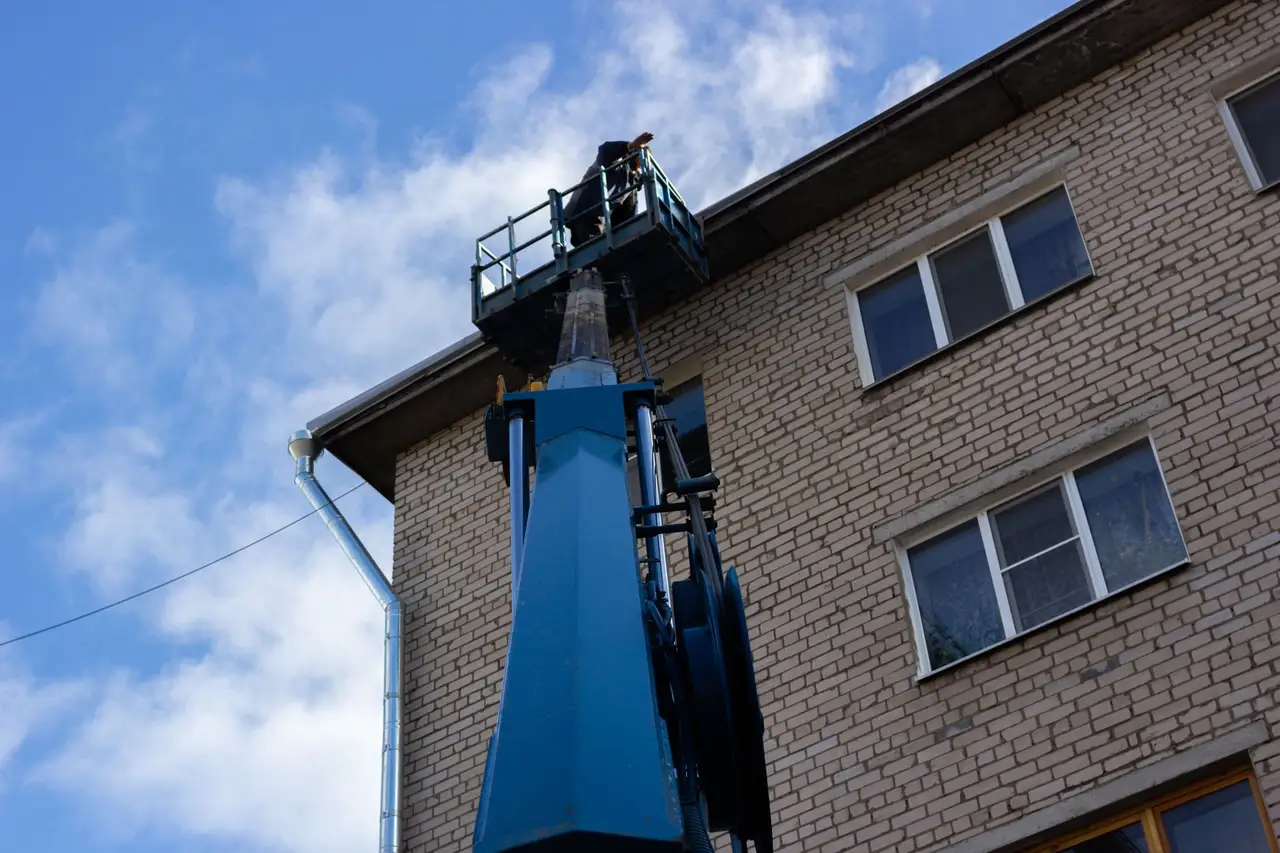
Testing the repair before we leave. A controlled water test over the repaired area confirms the leak is actually stopped, not just covered up.
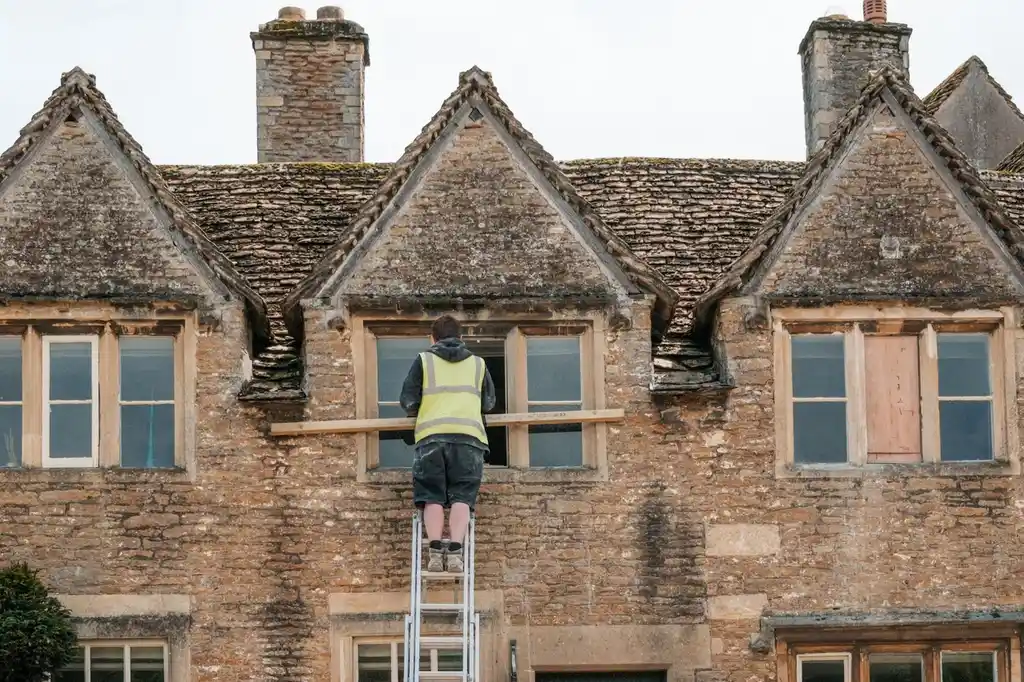
Stopping active leaks the same day when a permanent repair has to wait for dry weather. We tarp and seal to protect your interior until we can do the full fix.
We scan the roof surface with a thermal camera after the sun has warmed it, which makes wet areas show up as cooler patches. This narrows the search area fast and tells us where to focus the moisture meter. It is the difference between finding the leak and guessing at it.
We scan the roof with infrared, trace the water back to a failed seam near the HVAC curb, and re-laminate the seam with new membrane and cement. The whole visit takes about 3 hours. The ceiling stain stops spreading, the seam is water-tested before we leave, and you have a written summary of the repair for your records.
We schedule the inspection early morning, tarp the active leak the same day, and do the permanent modified bitumen repair on a weekend so tenants are not affected. We document everything with photos. The tenant space stays dry, the repair is done without business interruption, and you get a written scope and photos for your property file.
We do a full leak detection scan, find that the leak is actually at the transition between the original roof and the addition, and rebuild that transition detail with new flashing and membrane. The recurring leak stops because we fixed the actual source, not the symptom. The transition is now sealed and water-tested.
We inspect the attic first to confirm moisture, then scan the modified bitumen roof to find the entry point. We repair the seam or flashing, dry the attic area, and check the insulation for saturation. The attic dries out, the musty smell fades, and the roof leak is sealed before mold becomes a bigger repair.
Alhambra sits in Los Angeles County with a climate that is hard on flat roofs. Summer surface temperatures on a dark modified bitumen membrane regularly push past 150 degrees, then winter rain sits in low spots for days. That heat-and-water cycle opens seams and blisters the plies faster than in cooler climates. Most of the housing stock here is older, with flat or low-slope roof sections over additions, garages, and back units. Those transitions are where we find the most leaks. We work year-round, but the busiest stretch runs from October through March, when the first real storms expose every weak seam. If you need Modified Bitumen Roof Leak Repair in Alhambra, California, we schedule inspections within 24 hours and prioritize active leaks. Call (626) 640-8498.
A ceiling stain had been spreading for weeks in a back bedroom. Two previous patch jobs had failed. The roof had a 12-foot section of open seam near the HVAC curb where water was getting between the plies.
We cut out the failed seam, dried the substrate, and re-laminated 14 feet of new modified bitumen with compatible cement. The repair passed a 20-minute water test. The ceiling stain stopped spreading and the tenant repainted two weeks later.
We recommended an annual seam inspection each fall before the rainy season. A 15-minute check catches open seams before they become leaks.
Water was dripping into a tenant space during every storm. The wall flashing had pulled away from the membrane along a 30-foot section, and water was running behind it into the wall cavity. The property manager needed it fixed without closing the business.
We tarped the active leak the same day, then rebuilt the flashing on a Saturday. New membrane was tied into the existing roof, counter-flashing was replaced, and the whole detail was sealed and water-tested. The tenant space stayed dry through the next storm.
We set up a twice-a-year inspection schedule for the property manager. Checking flashing and drains each spring and fall keeps small issues from becoming tenant complaints.
A homeowner noticed bubbling paint on the ceiling and a musty smell in the attic. The modified bitumen roof had three large blisters where trapped moisture had pushed the plies apart. One blister had cracked open and was letting water in.
We cut open all three blisters, dried the substrate, and re-laminated new membrane over each area. The attic was dried out and the saturated insulation was replaced. The repair passed a water test and the musty smell cleared within a week.
We told the homeowner to check the roof after each big storm and call us if new blisters appear. Catching them early keeps the repair small.
These are the flat-roof problems we see most often on Alhambra homes and commercial buildings. Each one has a specific repair approach.
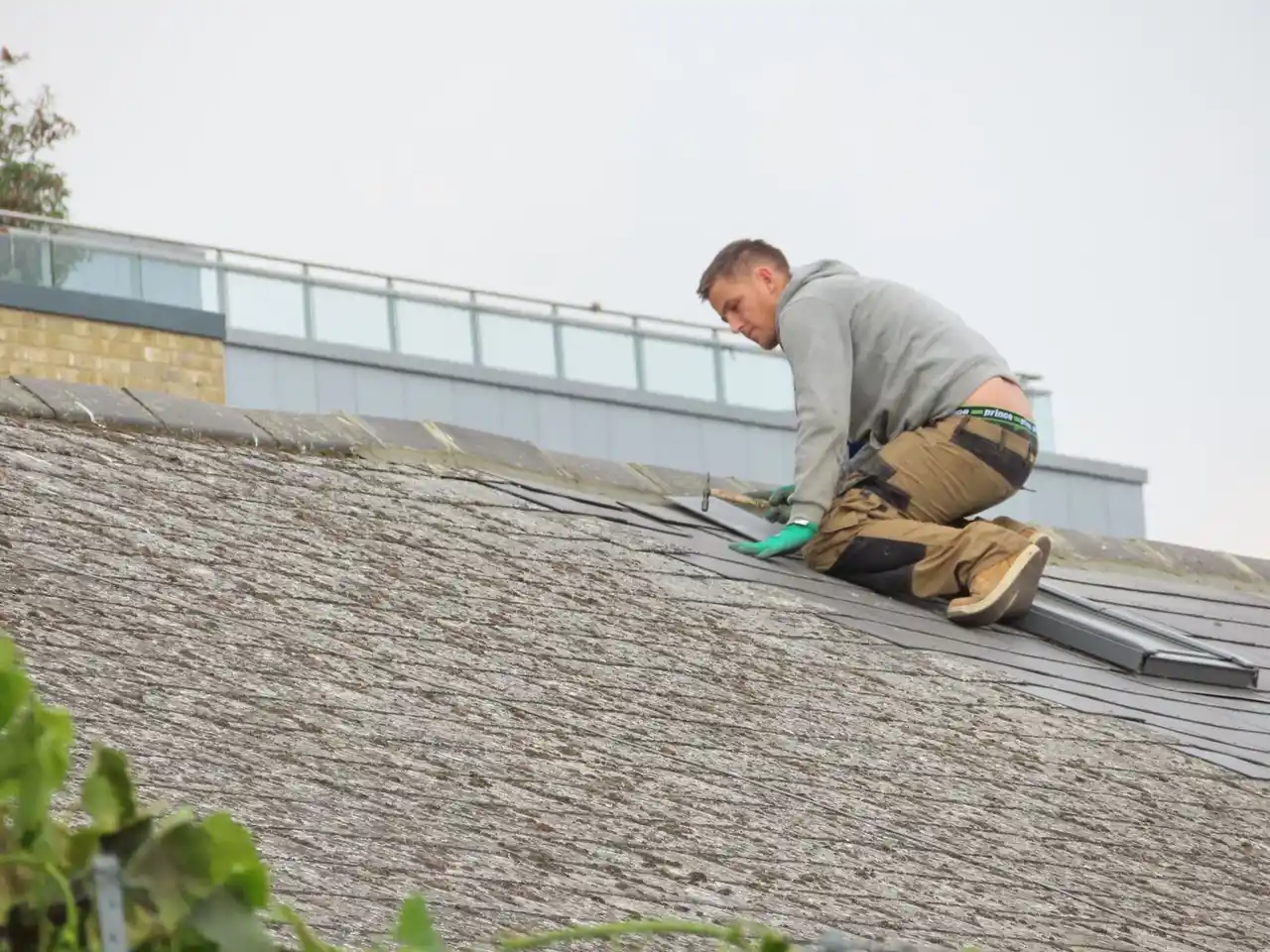
We open the seam, clean out debris and old cement, dry the area, and re-laminate with new modified bitumen and compatible roof cement. The seam gets rolled and pressed so it bonds as one continuous surface again. Water gets between the layers, saturates the insulation, and shows up as a ceiling stain far from the actual seam. Left alone, the whole membrane section delaminates.
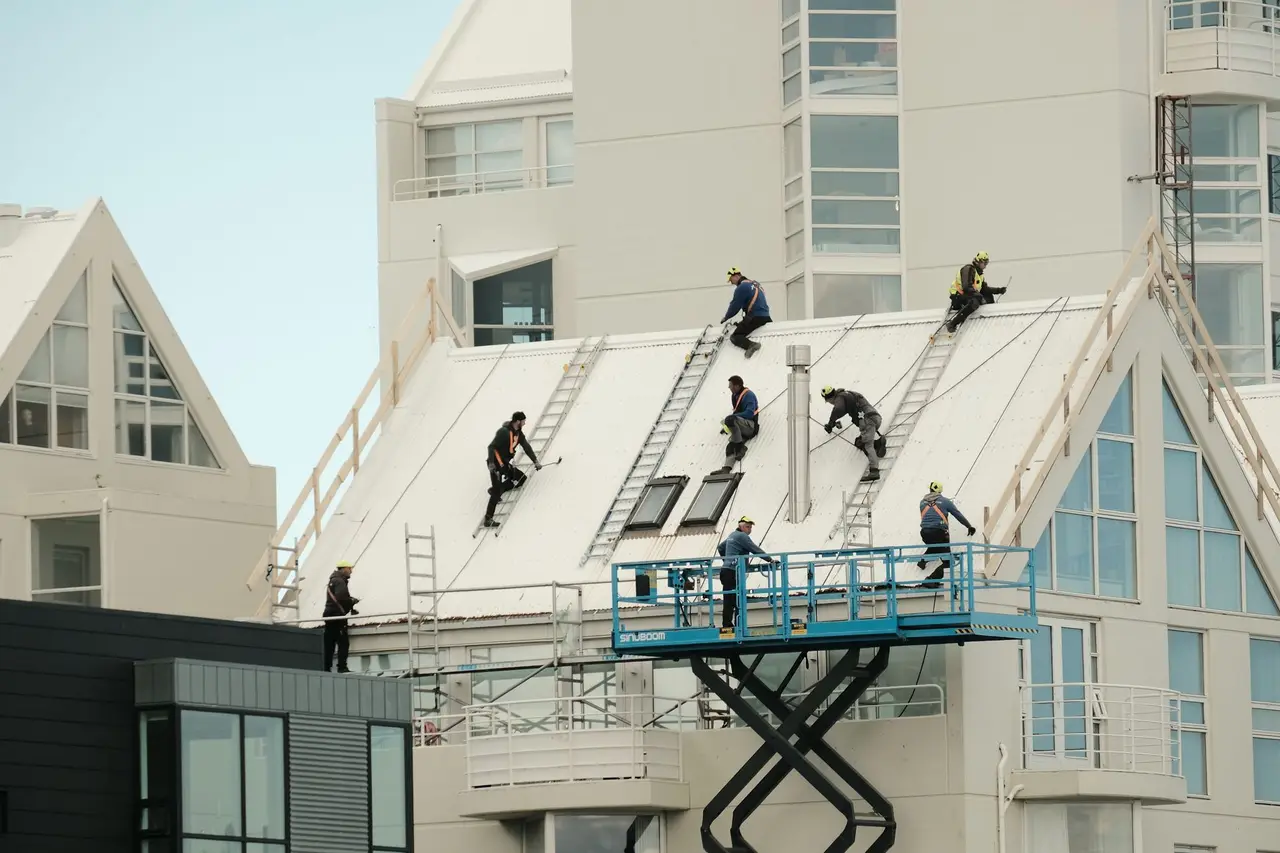
We cut the blister open, dry the substrate, and re-laminate new membrane over the area. If blisters cover too much of the roof, we tell you honestly that a repair will not hold and walk you through replacement options. Blisters grow with each heat cycle and eventually crack open, creating a direct path for water. Once they spread past about a quarter of the roof, patching stops working.
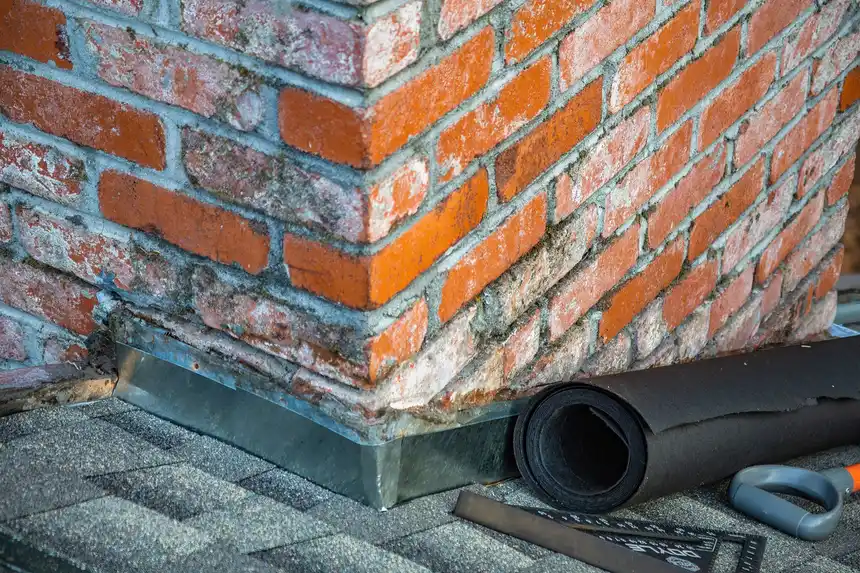
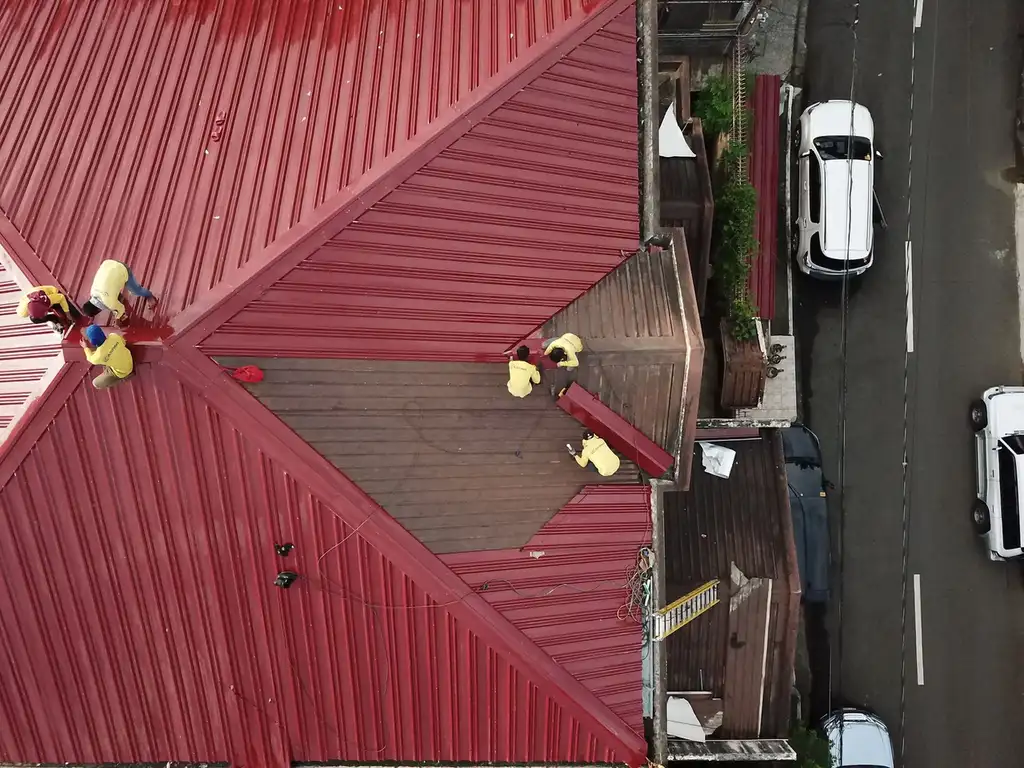
We rebuild the flashing detail with new membrane, roof cement, and sealant, tying it into the existing modified bitumen so water cannot get behind it. This is often a 2 to 4 hour repair. Flashing is the number one leak point on flat roofs. Failed flashing lets water run behind the membrane and into the wall cavity, where it rots framing and stains interior walls.
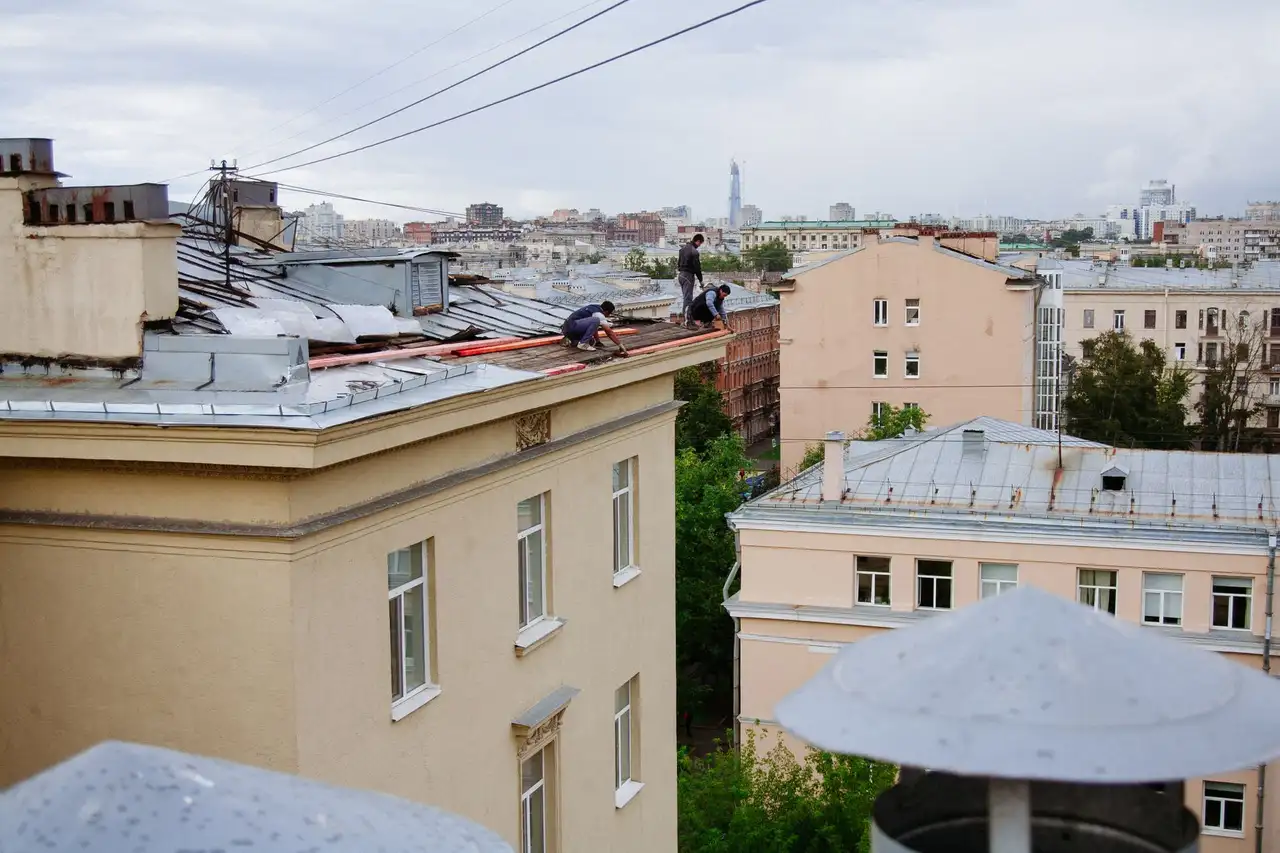
We identify the low spots, repair any active leaks, and recommend either a tapered repair or a drainage fix. Sometimes clearing a blocked drain is all it takes to stop the ponding. Standing water finds every weak seam and speeds up membrane breakdown. A roof that ponds for more than 48 hours after rain is a leak waiting to happen.
Most active leaks get a temporary seal or tarp the same day you call, then a permanent repair within 48 hours. That stops ceiling damage, insulation saturation, and mold growth from spreading while we schedule the full fix.
We use an infrared thermal imaging camera and a moisture meter to trace water back to its entry point. On flat roofs, water can travel 20 feet or more before it drips through your ceiling, so guessing wastes money and leaves the leak alive.
A properly laminated repair with compatible membrane and roof cement can add 5 to 10 years to a modified bitumen roof that still has good plies. We tell you honestly when a repair makes sense and when it does not.
Water that gets past the membrane soaks insulation, rots decking, and stains interior ceilings. Fixing the seam or flashing leak early keeps the repair in the hundreds instead of the thousands, and keeps your attic dry through the rainy season.
Clear records you can keep and share.
Photos and a plain-language explanation of the repair
One number before work starts, no hourly billing
What was fixed and maintenance notes for the rest of the roof
Modified bitumen leaks rarely start in the middle of the roof. They start at seams, flashing, and penetrations, and water can travel far before it shows up inside.
Water can run 20 feet or more along the membrane before it drips through your ceiling. The stain is rarely directly under the leak.
Heat cycling opens seams faster than any other part of the roof. Most leaks we find on Alhambra roofs start at a seam.
Infrared scanning and moisture meters find the source without tearing the roof apart. Guessing wastes money and leaves the leak alive.
Not sure if we cover your area? Call and ask. (626) 640-8498
Most single-area repairs run $350 to $900 in 2026, depending on access, roof height, and how much membrane has to be replaced. Multiple leaks or repairs that require new flashing can push it to $1,500 or more. We give you a flat price after the inspection, so you know the number before we start.
The three most common causes we find are open seams from heat cycling, failed flashing at walls and penetrations, and blisters where trapped moisture has pushed the plies apart. Alhambra summer heat and winter rain accelerate all three. A leak detection visit with infrared scanning tells you which one you have.
We do. Roof Repair Alhambra Pros handles flat and low-slope membrane repair across Alhambra and the surrounding San Gabriel Valley, including San Gabriel, Monterey Park, and Rosemead. Call (626) 640-8498 and we will schedule an inspection, usually within 24 hours.
Yes, if the blister is isolated and the surrounding membrane is still sound. We cut the blister open, dry the area, and re-laminate new membrane over it. If blisters cover more than about 25 percent of the roof, patching will not hold and we will tell you that honestly.
Active leaks get priority scheduling and same-day tarping when needed. We are a local flat-roof crew with a California Contractor License (C-39 Roofing) and we give you a flat price before any work starts. Call (626) 640-8498 now.
Call us at (626) 640-8498 or email info@roofrepairalhambrapros.com. We answer the phone during business hours and respond to emergency calls after hours. Same-day estimates are available for most jobs in Alhambra and surrounding areas.