Written scope
One page listing boots, sizes and total price
Roof Vent Boot Repair Alhambra CA targets the rubber collar that seals every plumbing vent pipe on your roof. When that collar cracks, water runs straight down the pipe and into your attic or ceiling. We inspect the boot, the flashing and the surrounding shingles, then replace the failed collar with a new one sized to your pipe. Most homes in Alhambra are done in a single visit.
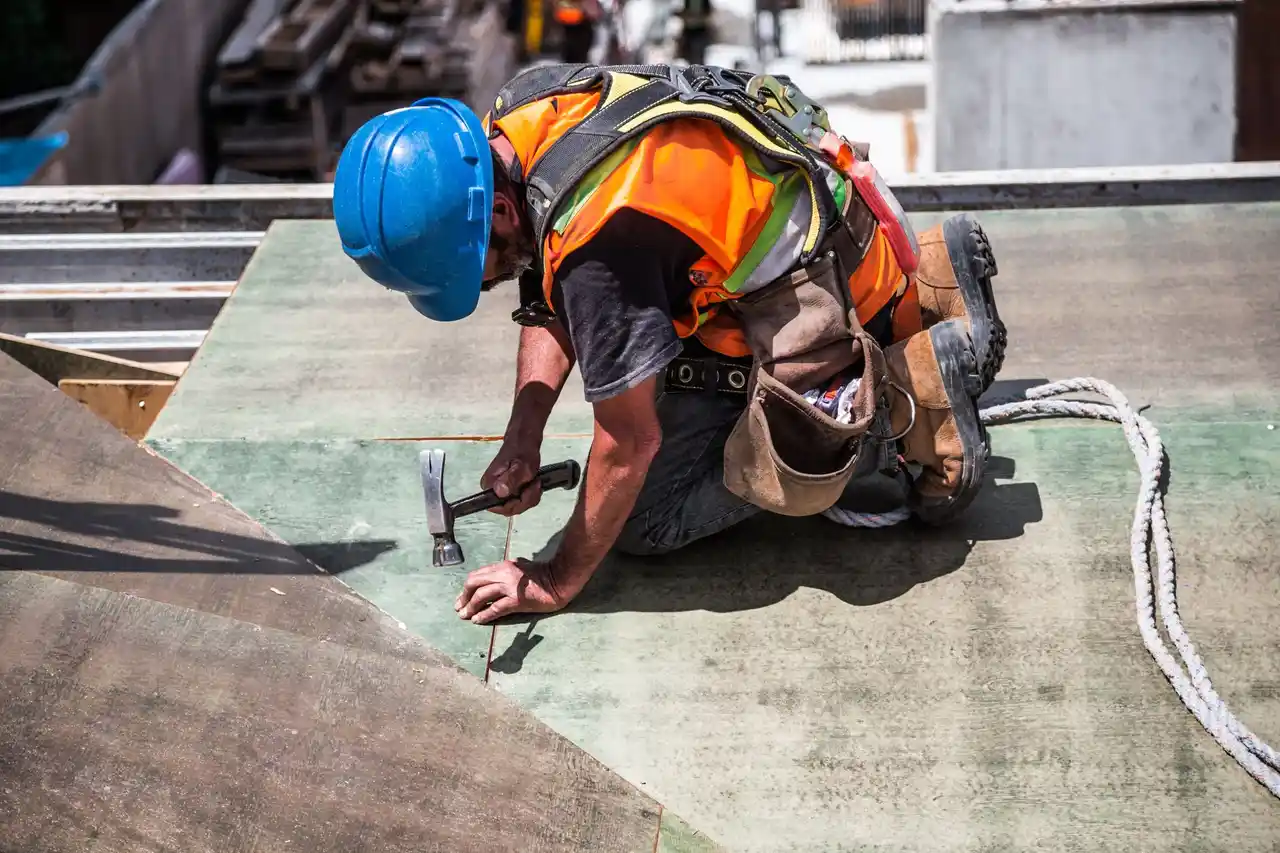
Every vent boot repair includes the inspection, the new boot, the sealant and the water test. Here is the full list of what you get, and where add-on work would be priced separately.
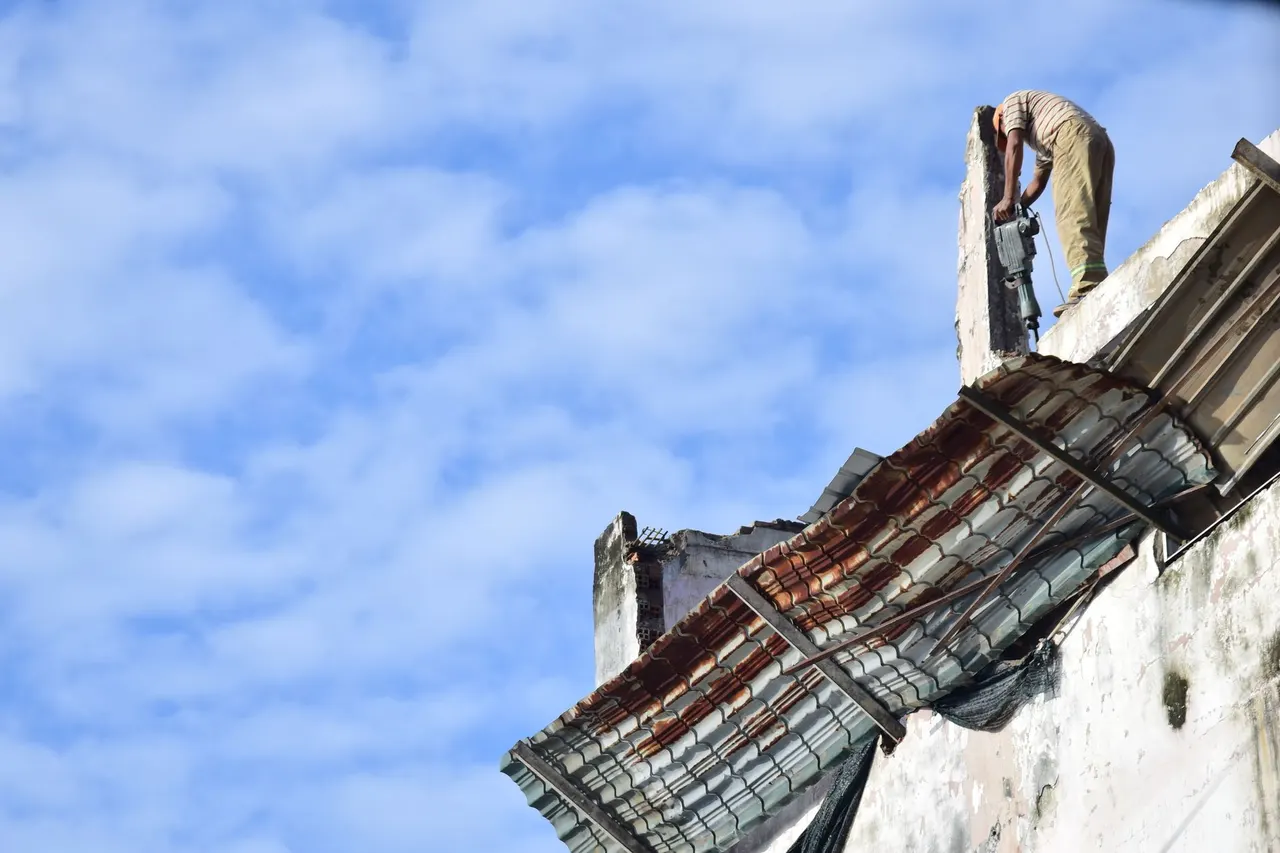

We fix vent boots on houses across Alhambra, from single-story bungalows to two-story homes. You get a written price before we start and photos of the finished work.
We repair vent boots on commercial and multi-family buildings without disrupting your tenants or business hours. Flat roof boots are our most common commercial call.
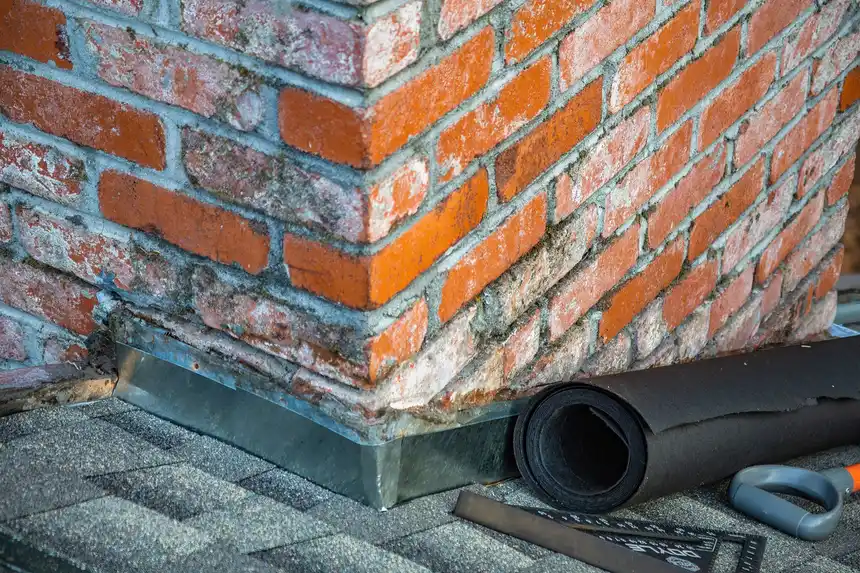
Roof Vent Boot Repair Alhambra CA replaces the rubber or neoprene collar that wraps the base of a plumbing vent pipe where it exits your roof. That collar, called a boot, sits on a metal base that slides under the shingles. Sun bakes the rubber, it dries out, splits along the top edge, and water sneaks past it. We pull the old boot, check the decking and flashing underneath, then install a new boot with fresh sealant and proper nails.
Alhambra roofs take a beating from UV and heat. A vent boot that lasted 12 years in a milder climate often fails in 8 here. Homeowners in the 91801 and 91803 ZIP codes call us most often after the first big storm of the season, when a brown ring shows up on the ceiling below the vent pipe. If you need roof vent boot fixing near me Alhambra, we can usually get eyes on it the same day.
We replace the failed boot, seal the base and water-test before we leave.
Every job follows the same five steps, whether it is a single boot on a ranch house or six boots on a two-story. Here is what you can expect from the first call to the final walk-around.
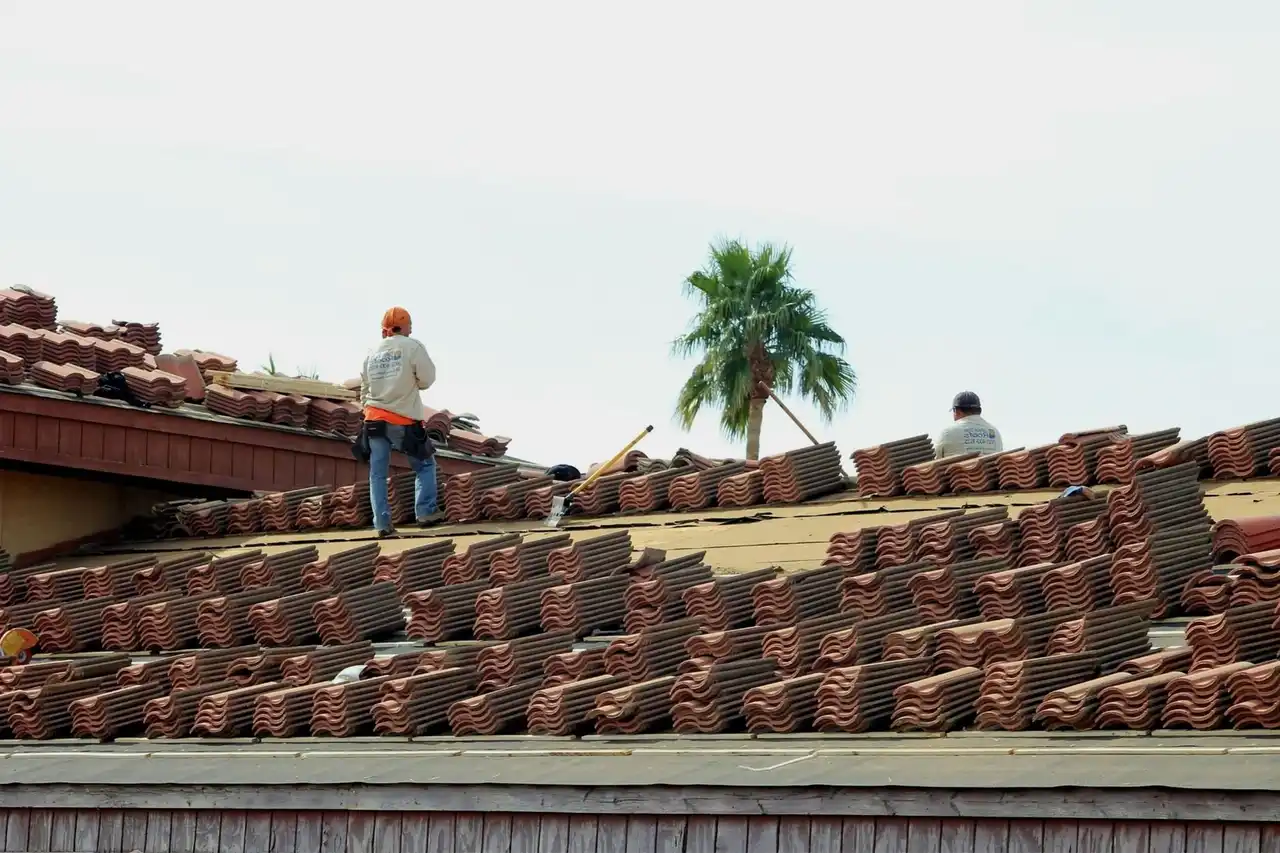
You describe the leak, we ask where the stain is and whether the vent pipe is visible from the ground. We schedule a visit, usually within 24 to 48 hours, and give you a window. If water is actively running, we move you up the list.

A technician climbs the roof with a roof ladder, checks the suspect boot and every other penetration within 10 feet. We use a moisture meter on the decking and an infrared thermal imaging camera inside the attic if the leak path is unclear. This takes 20 to 40 minutes.
You get a one-page scope: how many boots, what size pipe, what sealant and flashing we will use, and the total price. No surprises. If we find a second issue, like a flashing leak at the same penetration, we price it separately so you can decide.
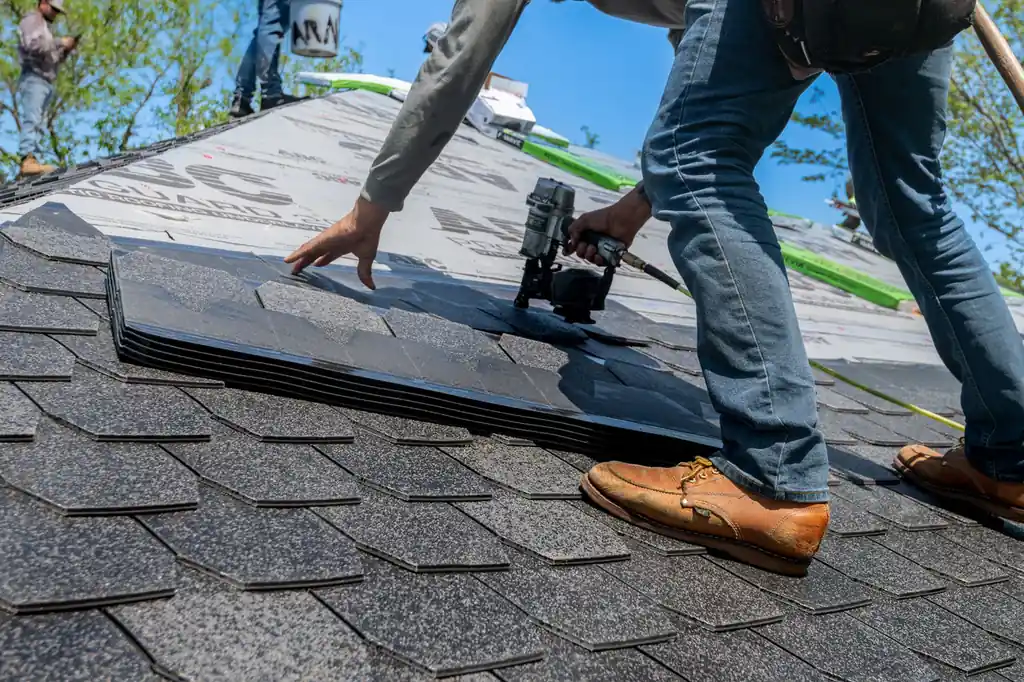
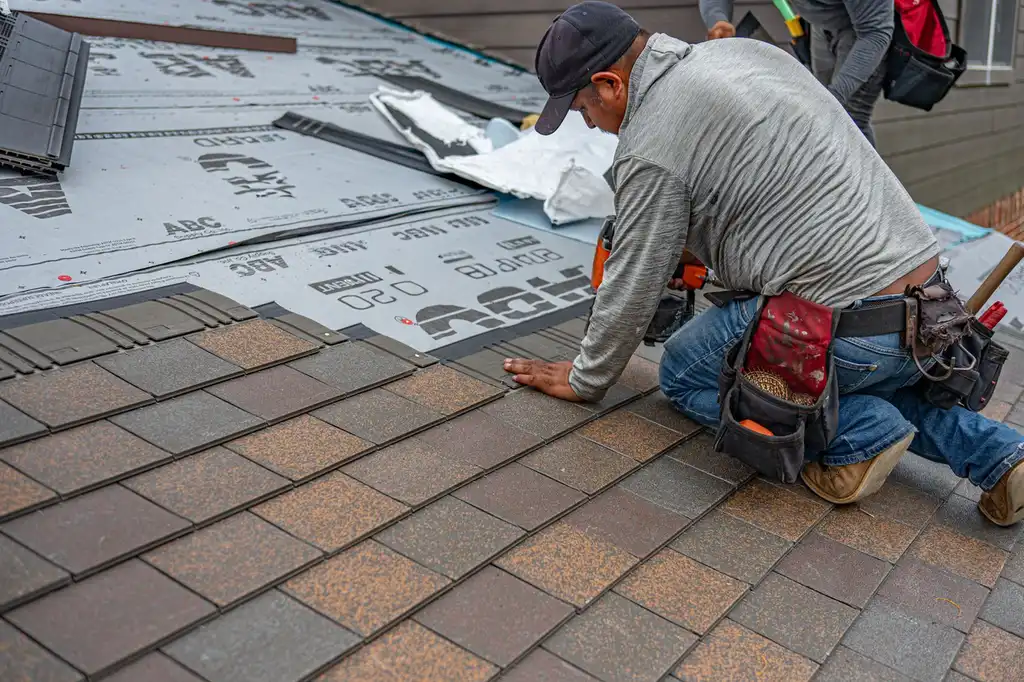
We remove the old boot with a pry bar and utility knife, clean the pipe and deck, then set the new boot with roof cement and nails. On shingle roofs we slide the new base under the course above and re-nail the shingles. Most single-boot jobs take 45 to 90 minutes.

We run a hose over the repaired area for 5 to 10 minutes while a second person watches inside the attic. If it stays dry, we photograph the finished work, magnet-sweep the yard for nails and walk you through what we did. You get the photos by text or email.

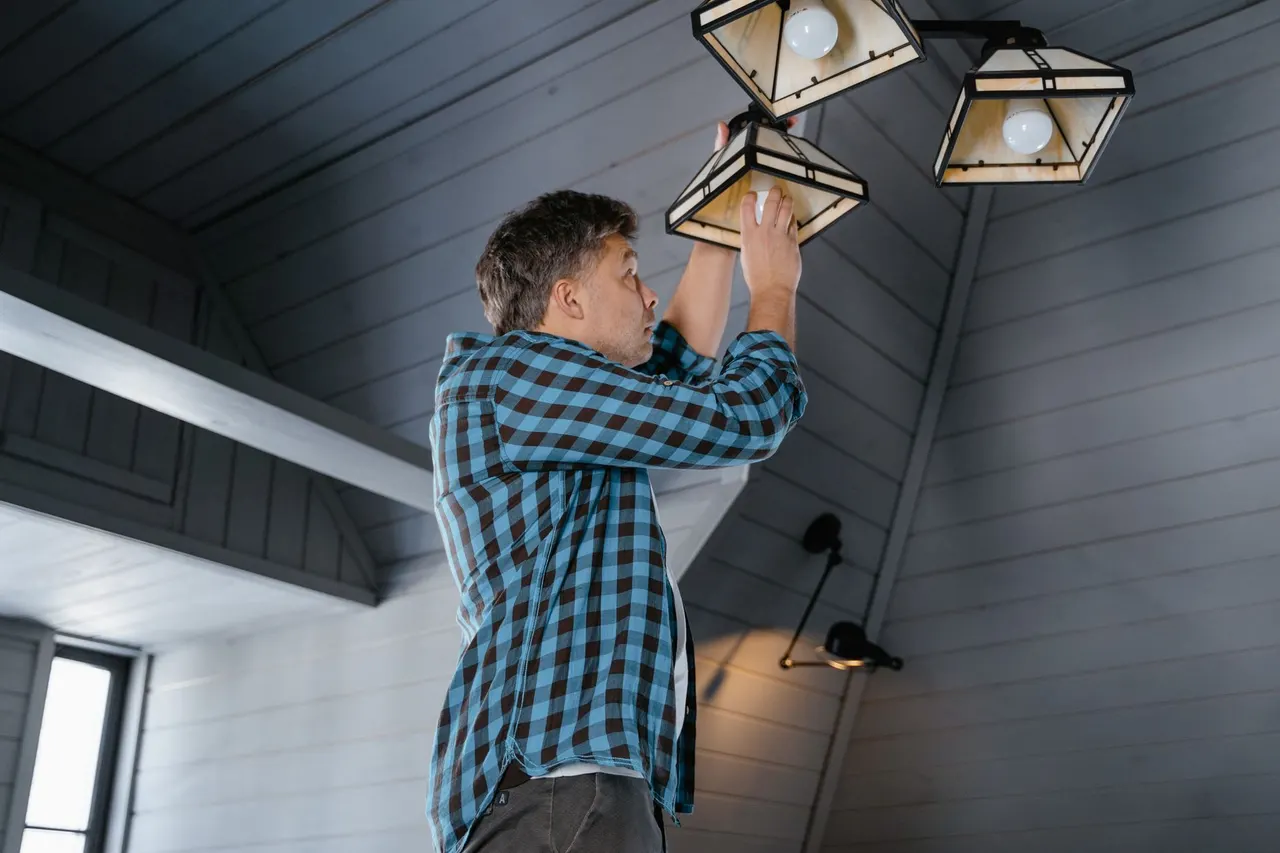
Finds wet decking and insulation inside the attic when the leak path is not obvious from the roof. Confirms whether the vent boot is the source before we commit to a repair.
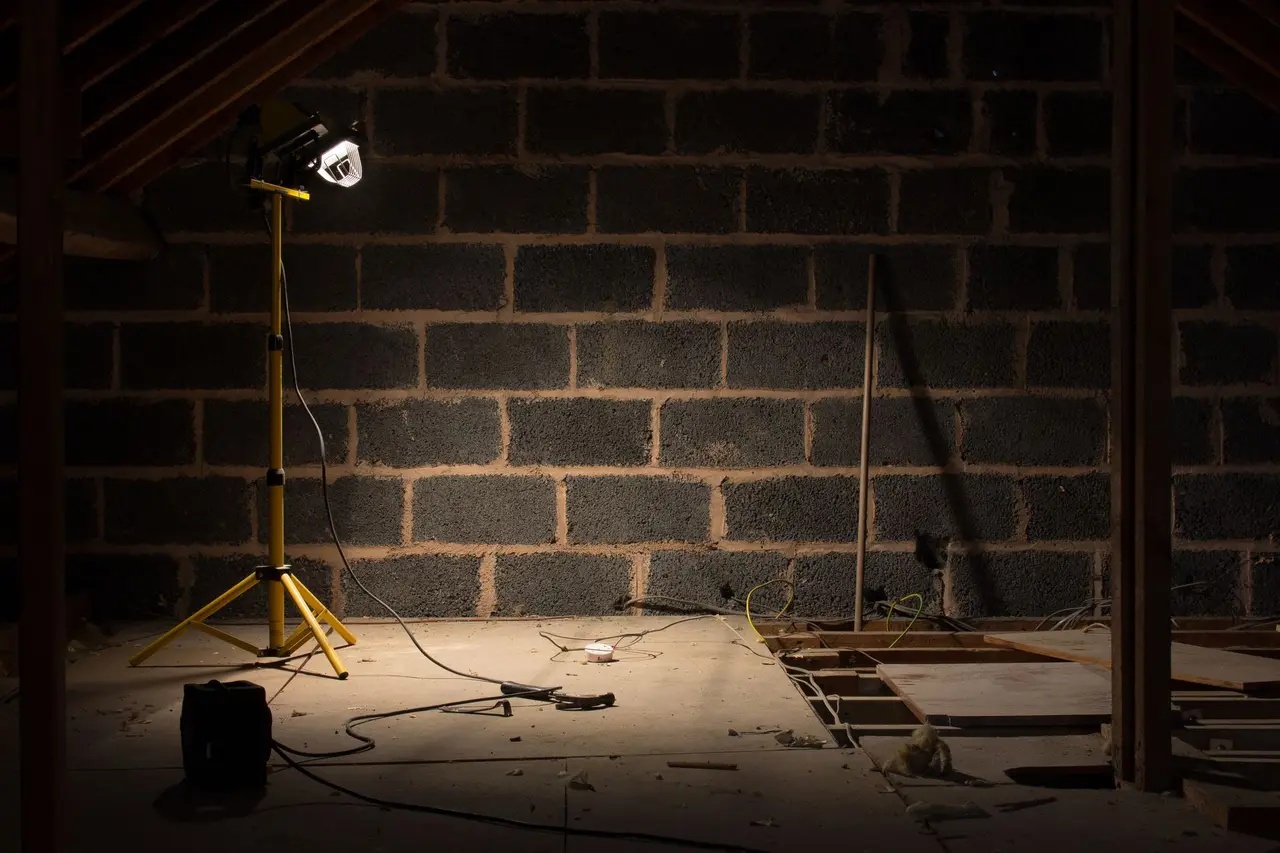
Reads the water content in decking and framing around the vent pipe. Tells us whether the leak has spread beyond the boot area.
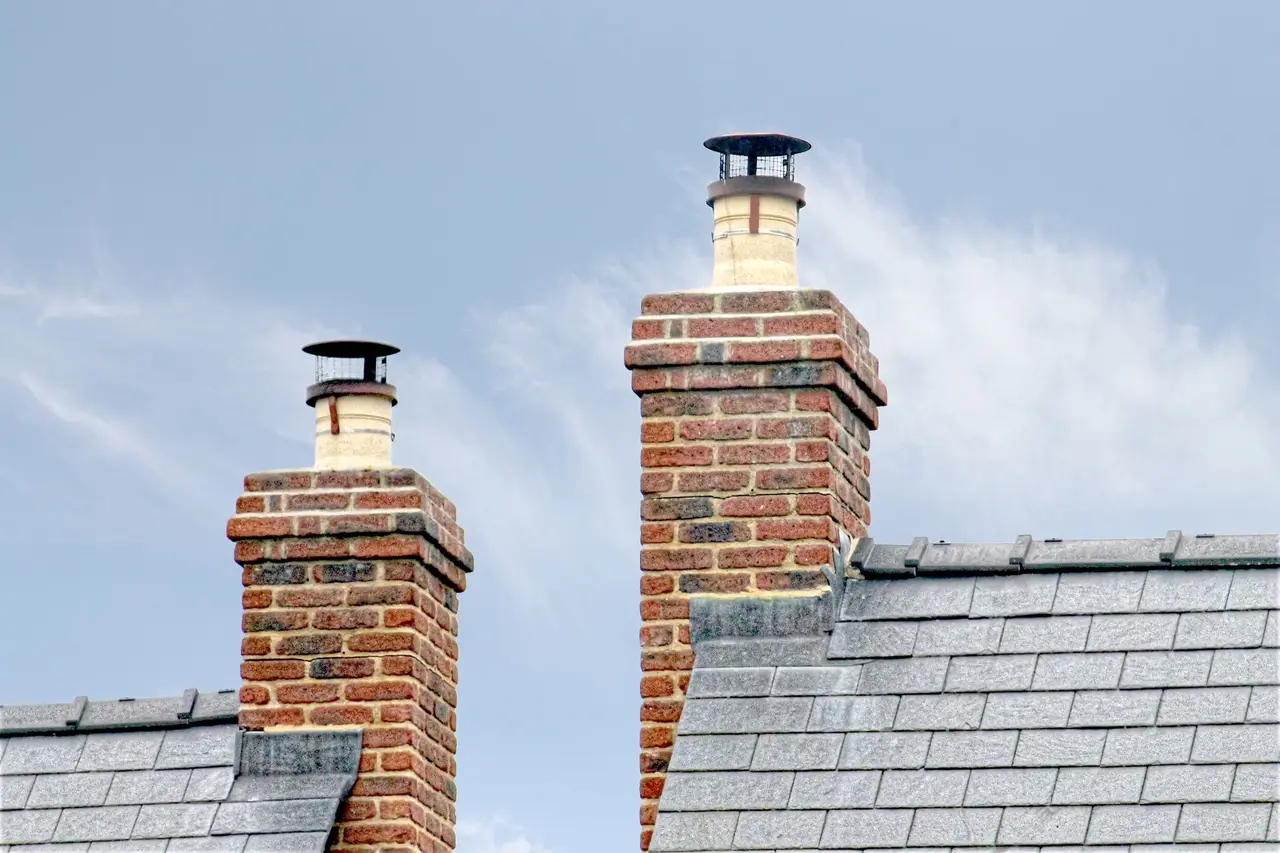
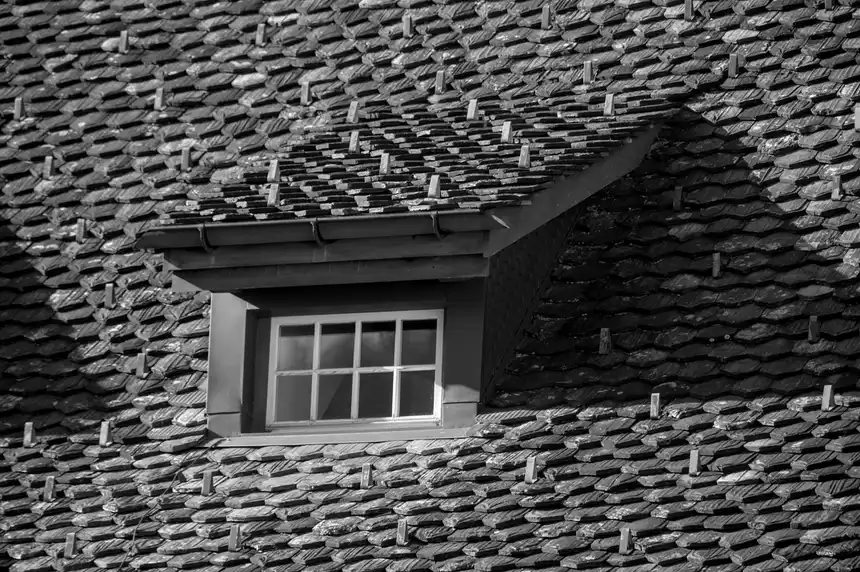
Gets us onto the roof safely without damaging gutters or shingles. We use standoff stabilizers on tile and metal roofs.

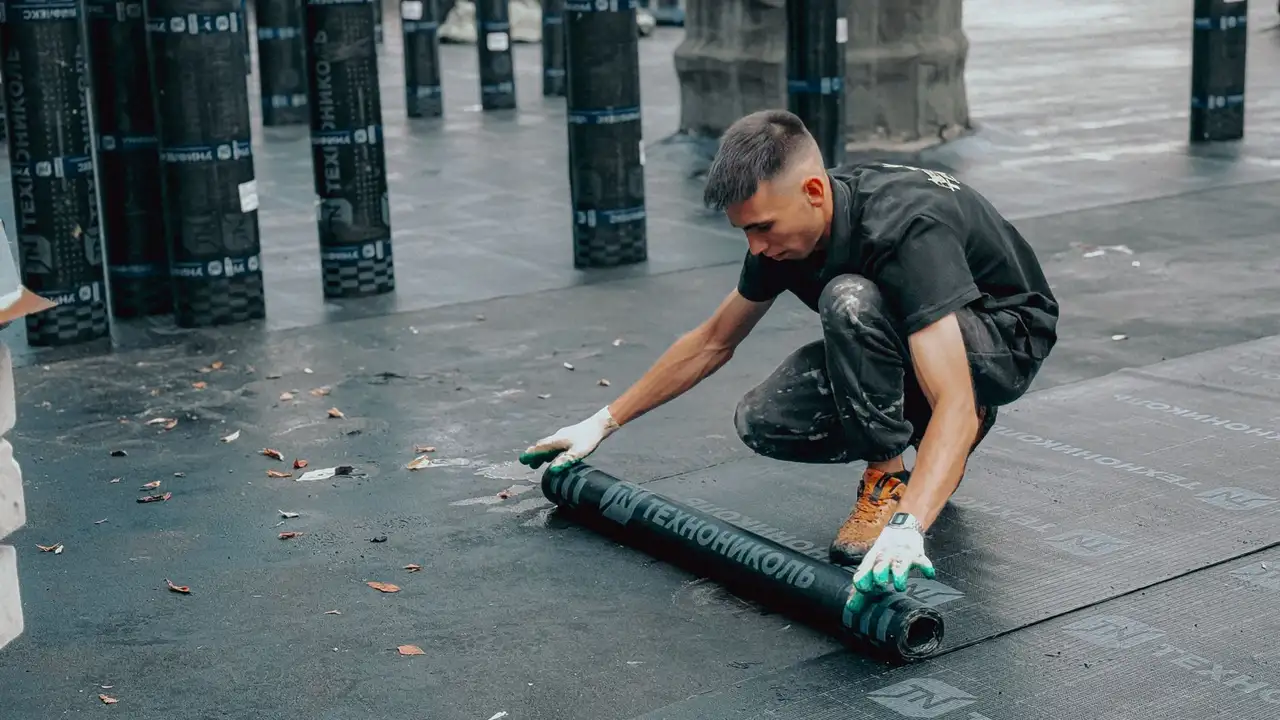
Lifts the shingle course and cuts the old boot free without tearing the surrounding shingles.
Applies Henry or DAP roof cement at the boot base and around the flashing edges. We use the same products on every job so the seal behaves predictably.
Re-nails the shingle course over the new boot base. Proper nail placement is what keeps the boot from lifting in wind.
The hose runs the water test after the repair. The tarp covers an active leak when rain is coming before we can do the permanent fix.
We follow the National Roofing Contractors Association method for flashing roof penetrations. That means the boot base laps under the shingle course above and over the course below, with the correct underlayment layer underneath.
We inspect the boot, confirm the crack with a moisture meter and replace the boot the same day if weather allows. If rain is still coming, we tarp first and return to finish. The stain stops growing, the attic dries out and you avoid drywall replacement.
We provide a written scope and price the buyer and seller can review. The repair is done in one visit, with photos for the closing file. The sale moves forward without a repair credit negotiation dragging on.
We inspect all vent boots on the building, replace the failed ones and document the rest with photos. Only the boots that need work get replaced. The manager has a clear record of roof condition and no surprise leaks next season.
That gap means the boot has pulled loose. We reseat or replace the boot and check the surrounding shingles for wind damage. The gap is closed, the pipe is sealed and the attic stays dry through the next storm.
Alhambra roofs face a specific combination: strong summer UV, winter rain that arrives in a few heavy storms, and housing stock that ranges from 1920s bungalows to 1990s tract homes. Vent boots on older homes are often original, with rubber collars that have been baked for decades. On newer homes, the boots may be fine but the shingle course around them has lifted from heat cycling. We see both patterns in the 91801 and 91803 ZIP codes. When we quote roof vent boot fixing cost Alhambra CA, we factor in the roof pitch, the pipe size and whether the shingles around the boot can be reused. Most repairs are done in one visit, but tile roofs and steep two-story homes take longer. If you are looking for Roof Vent Boot Repair Alhambra CA 24/7 during a storm, call us and we will tarp the area first.
The homeowner had a brown ring on the ceiling below the vent pipe. The boot collar was split along the top edge and the metal base was rusted. Water had been running down the pipe for weeks, and the attic insulation was wet in a 3-foot radius.
We replaced the boot with a new 2-inch shingle boot, replaced the wet insulation section and ran a 10-minute hose test. The ceiling stain stopped growing and the attic moisture reading dropped to normal within three days.
Check the boot collar every spring for cracks. A $10 tube of sealant around the base each year can add two to three years to the boot life.
A property manager found wet decking around three vent pipes on a flat modified bitumen roof. Two boots had cracked collars and one had a lifted base. The roof had been leaking into two units during the last storm.
We replaced all three boots with modified bitumen-compatible units, resealed the membrane around each and water-tested the area. Both units stayed dry through the next rain event.
Inspect flat roof boots twice a year, before and after rainy season. Clear debris from around the boot base so water does not pond against it.
A previous roofer had installed a shingle boot on a tile roof with a 3-inch vent pipe. The boot was too small, the collar was stretched and cracked, and water was leaking into the attic. The tile course around the boot was also broken.
We removed the wrong boot, installed a lead boot sized for the 3-inch pipe, replaced two broken tiles and water-tested the area. The leak stopped and the repair blends into the tile field.
On tile roofs, have the boot checked whenever tiles are walked on. A cracked tile near the boot lets water in even if the boot itself is fine.
Most vent boot calls start with a ceiling stain or a wet attic. Here are the specific problems we see most often and how we fix them.
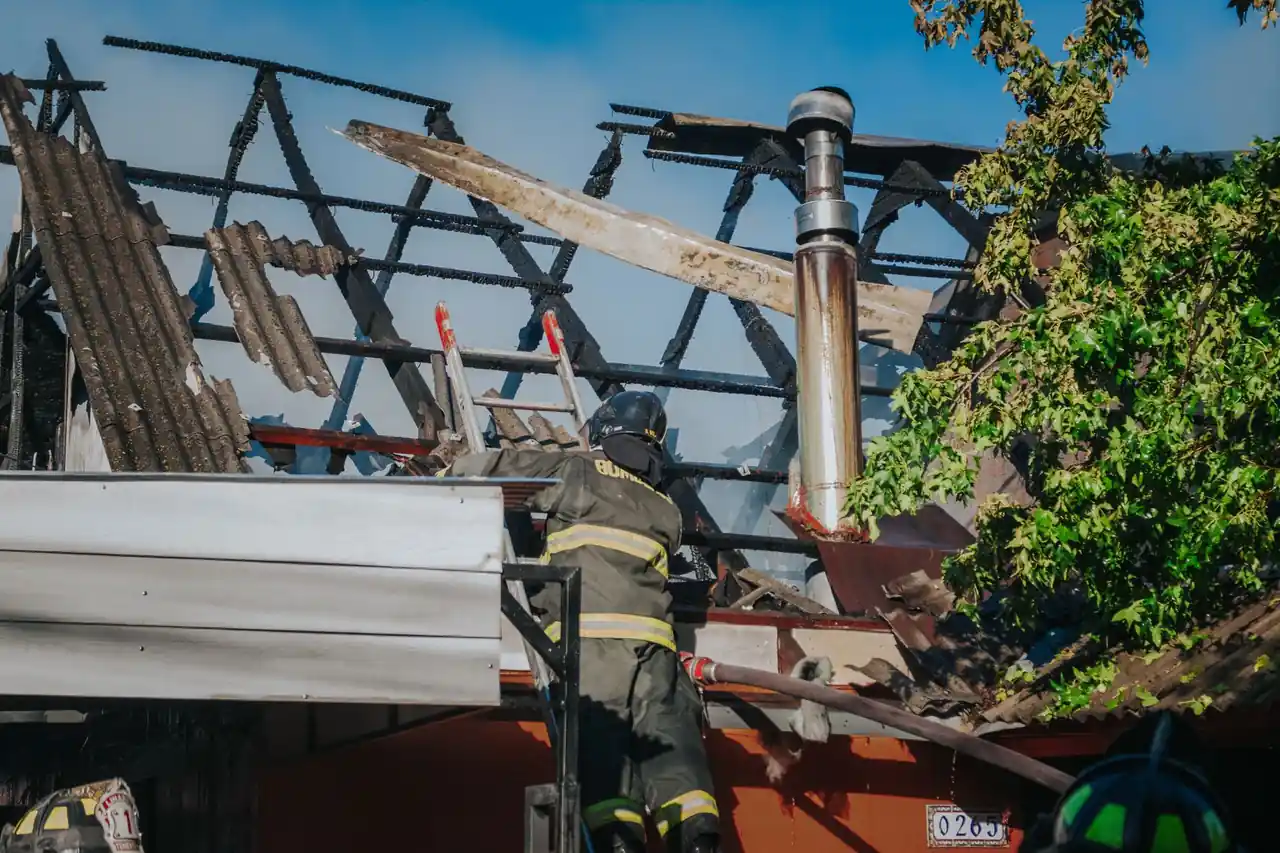
We remove the old boot, check the pipe and decking, and install a new boot with a fresh collar. The repair takes under two hours and stops the leak at the source. Water runs down the vent pipe into the attic every time it rains. Insulation gets wet, mold can start within days, and the ceiling stain grows.
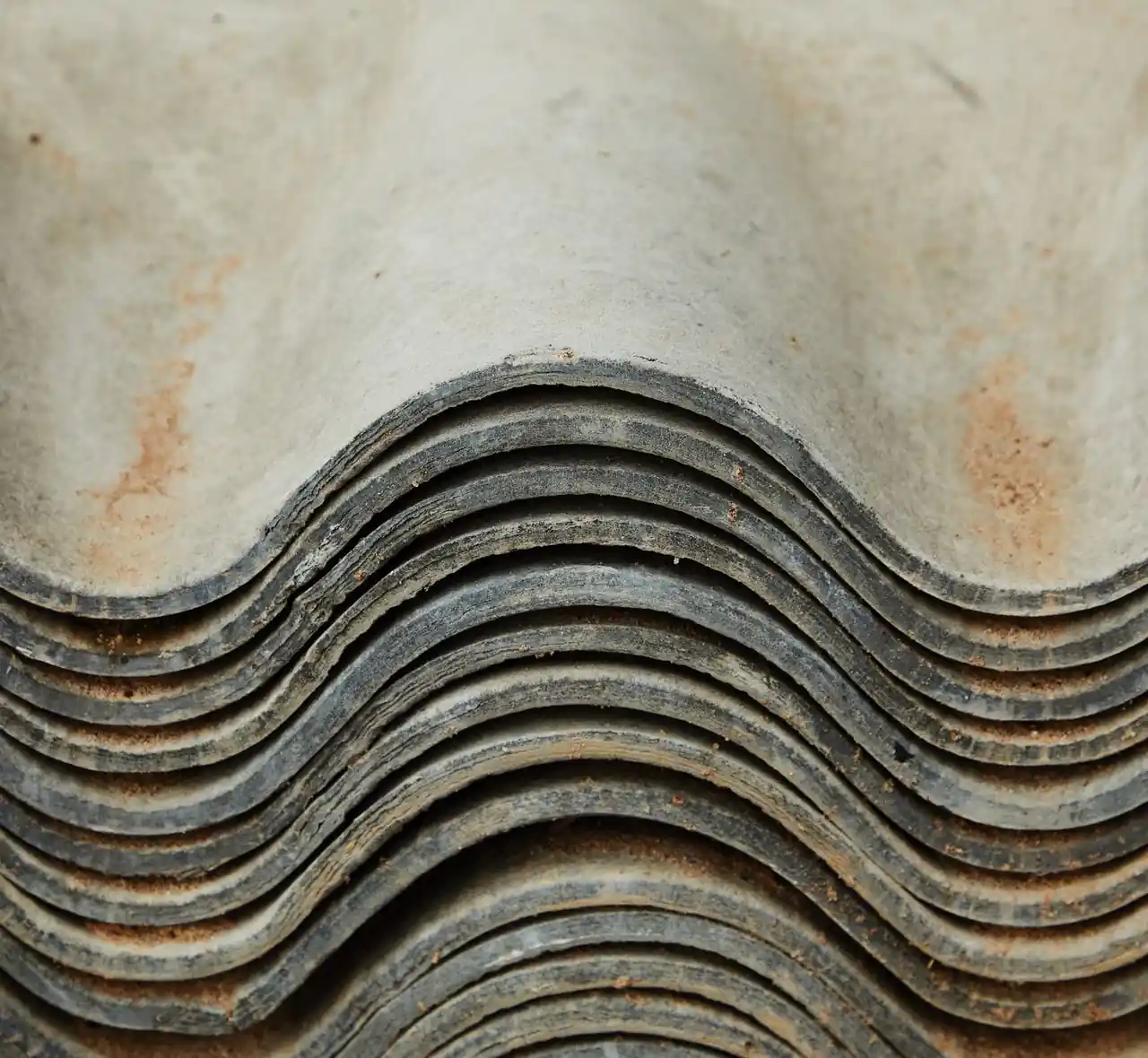
We lift the shingle course, replace the boot and re-nail the shingles over the new base. Fresh roof cement seals the edges so wind cannot lift it again. Wind and age pull the metal base out from under the shingle course. Water gets under the shingles and spreads sideways before it drips, making the leak hard to trace.

We measure the pipe, pull the wrong boot and install the correct size. We stock 1.5-inch through 4-inch boots so the fit is right the first time. A boot that is too large for the pipe leaves a gap that sealant alone cannot close. The leak returns within one or two seasons, often worse than before.
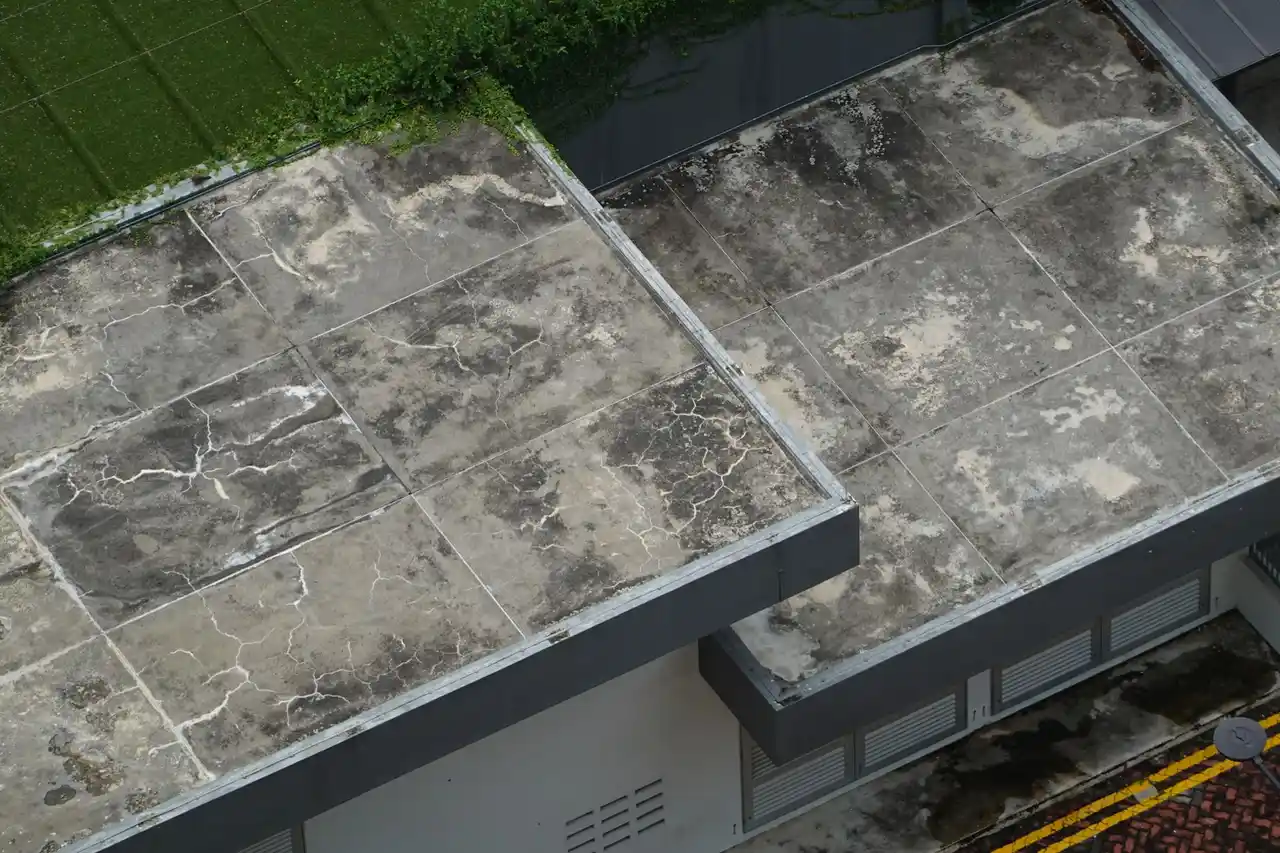
We inspect every penetration on the roof during the first visit. You get a price for all the boots that need work, and you decide how many to do now. If one boot is cracked from UV, the others on the same roof are usually close behind. Fixing one and waiting on the rest means a second leak call within a year.
Water that enters at a cracked boot travels down the vent pipe and drips onto insulation, drywall and framing. Fixing the boot closes that path. We replace the collar, reseal the base and check the pipe for movement, so the next storm does not find the same gap.
Wet insulation loses its R-value and can grow mold within days. A $200 to $400 boot repair protects thousands of dollars of attic material. We check the surrounding decking with a moisture meter before we close up, so you know whether the leak spread further than the boot.
When a boot lifts, the shingles around it loosen and curl. Replacing the boot and re-seating the surrounding courses keeps the whole roof field intact. On asphalt shingle roofs we match the new boot to the existing course pattern so the repair blends in.
A ceiling stain that starts at a vent boot often means the leak has been running for weeks. Fixing the boot early avoids drywall replacement, paint and possible mold remediation. Most boot repairs cost a fraction of one ceiling repair.
Clear records you can keep and share.
One page listing boots, sizes and total price
Before and after images sent same day
Hose test confirmed dry before we leave
A vent boot is the rubber collar and metal base that seals the plumbing vent pipe where it exits your roof. When the rubber cracks, water runs down the pipe into your attic.
The collar on top of the boot fails before the metal base does. A cracked collar is the most common cause of vent pipe leaks. Replacing the boot is the only permanent fix.
A boot that is too large for the pipe leaves a gap that sealant cannot close. We measure the pipe and install the correct size. Wrong-size boots are the top reason repairs fail early.
Shingle roofs use standard boots, tile roofs use lead boots and flat roofs use membrane-compatible boots. Using the wrong type shortens the repair life. We match the boot to your roof.
Not sure if we cover your area? Call and ask. (626) 640-8498
Most single-boot repairs in Alhambra run $180 to $450 in 2026, including the new boot, sealant and labor. Tile roofs and tall two-story homes cost more because access takes longer. If we find soft decking or a second failed penetration, the price goes up, and we tell you before we start.
The rubber collar on top of the boot has cracked from UV exposure. Alhambra gets strong summer sun, and that dries out the neoprene in 8 to 12 years. Once the collar splits, water runs down the vent pipe into your attic. A moisture meter reading on the decking confirms it in most cases.
We do. Roof Repair Alhambra Pros handles vent boot repair across Alhambra and the surrounding San Gabriel Valley cities, including San Gabriel, Monterey Park, Rosemead and Temple City. Call (626) 640-8498 and we will schedule an inspection, usually within 24 to 48 hours.
A single boot replacement takes 45 to 90 minutes on the roof. Add 20 to 40 minutes for the inspection and water test. If you have three or four boots to replace, plan on a half day. We do not leave until the hose test shows no water inside.
A cracked vent boot will not fix itself, and the next storm is coming. Call (626) 640-8498 for a same-day estimate on roof vent boot fixing in Alhambra. We inspect, quote in writing and repair, often in one visit.
Call us at (626) 640-8498 or email info@roofrepairalhambrapros.com. We answer the phone during business hours and respond to emergency calls after hours. Same-day estimates are available for most jobs in Alhambra and surrounding areas.