Written repair summary
What failed, what we fixed, and what to watch
Tile Roof Leak Repair Alhambra CA starts with finding the actual source, not the stain on your ceiling. We work on clay and concrete tile roofs across Alhambra, California, tracing water back through cracked tiles, failed flashing, and worn underlayment before we touch a single piece. If you have a bucket in the hallway, we can help today.
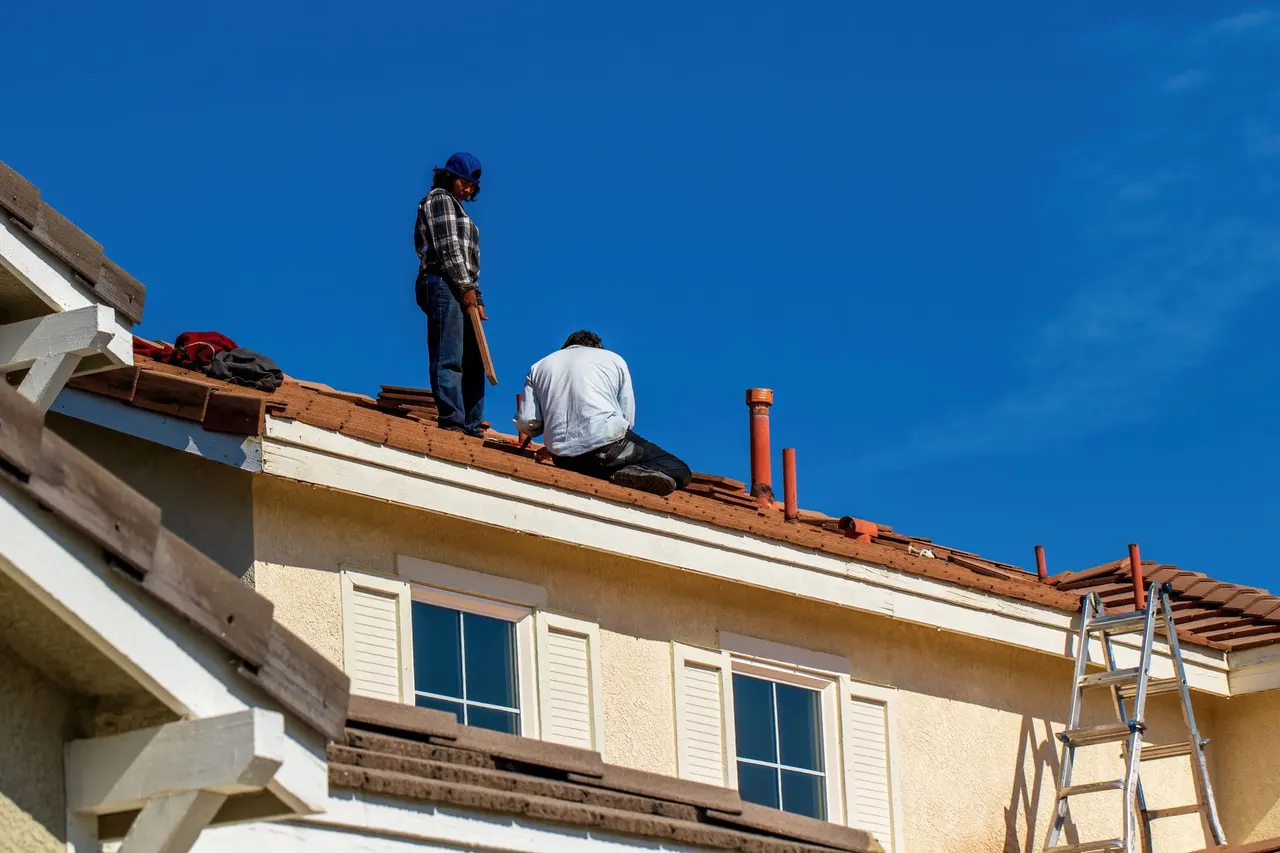
Every tile roof leak repair we do includes the diagnosis, the repair itself, and a test to confirm the leak is stopped. If the repair uncovers something bigger, we stop and tell you before we go further. You approve any additional work before it happens.

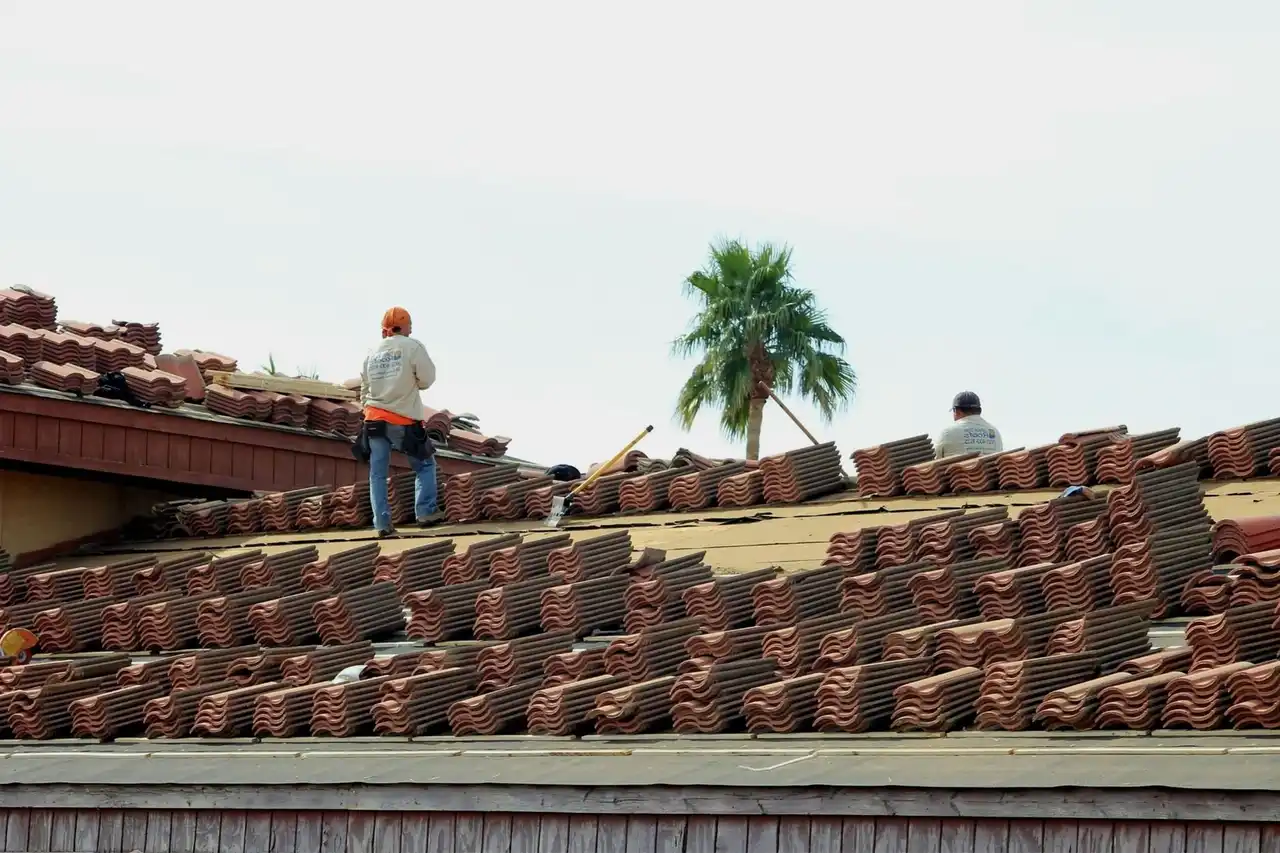
We repair tile roof leaks on single-story and two-story homes across Alhambra. We lift the tile, fix the underlayment or flashing underneath, and reset your existing tile wherever we can.
We repair tile and low-slope roof leaks on commercial buildings in Alhambra. Work is scheduled around your business hours so tenants and customers are not disrupted.
Tile Roof Leak Repair Alhambra CA is the process of finding where water actually enters a clay or concrete tile roof and sealing it at the source, not just patching the tile you can see. Tile itself sheds most rain, but the real waterproofing lives in the underlayment and flashing underneath. We lift tiles, inspect the felt or membrane, check valleys, vents, and penetrations, then repair the layer that failed. A cracked tile is often a symptom, not the leak.
Alhambra roofs take a specific beating: hot, dry summers that bake underlayment brittle, followed by winter rain that finds every gap. Most of the tile roofs here are 20 to 40 years old, and the original felt has hit the end of its life even when the tiles look fine. That is why we get so many calls for tile roof leak fixing Alhambra after the first big storm. If you need Tile Roof Leak Repair Alhambra CA near me, we can usually get eyes on it the same day you call.
We trace the water to its entry point, repair the layer that failed, then test it before we leave.
Every job follows the same five steps, whether it is a single cracked tile or a valley that has been leaking for two seasons. You will know what we found, what we are fixing, and what it costs before we start.
You call (626) 640-8498 and describe what you are seeing: a ceiling stain, a drip in the attic, water at a valley. We ask a few questions to narrow the likely source, then schedule a visit. Most Alhambra calls get a same-day or next-day appointment, and emergency calls get priority.
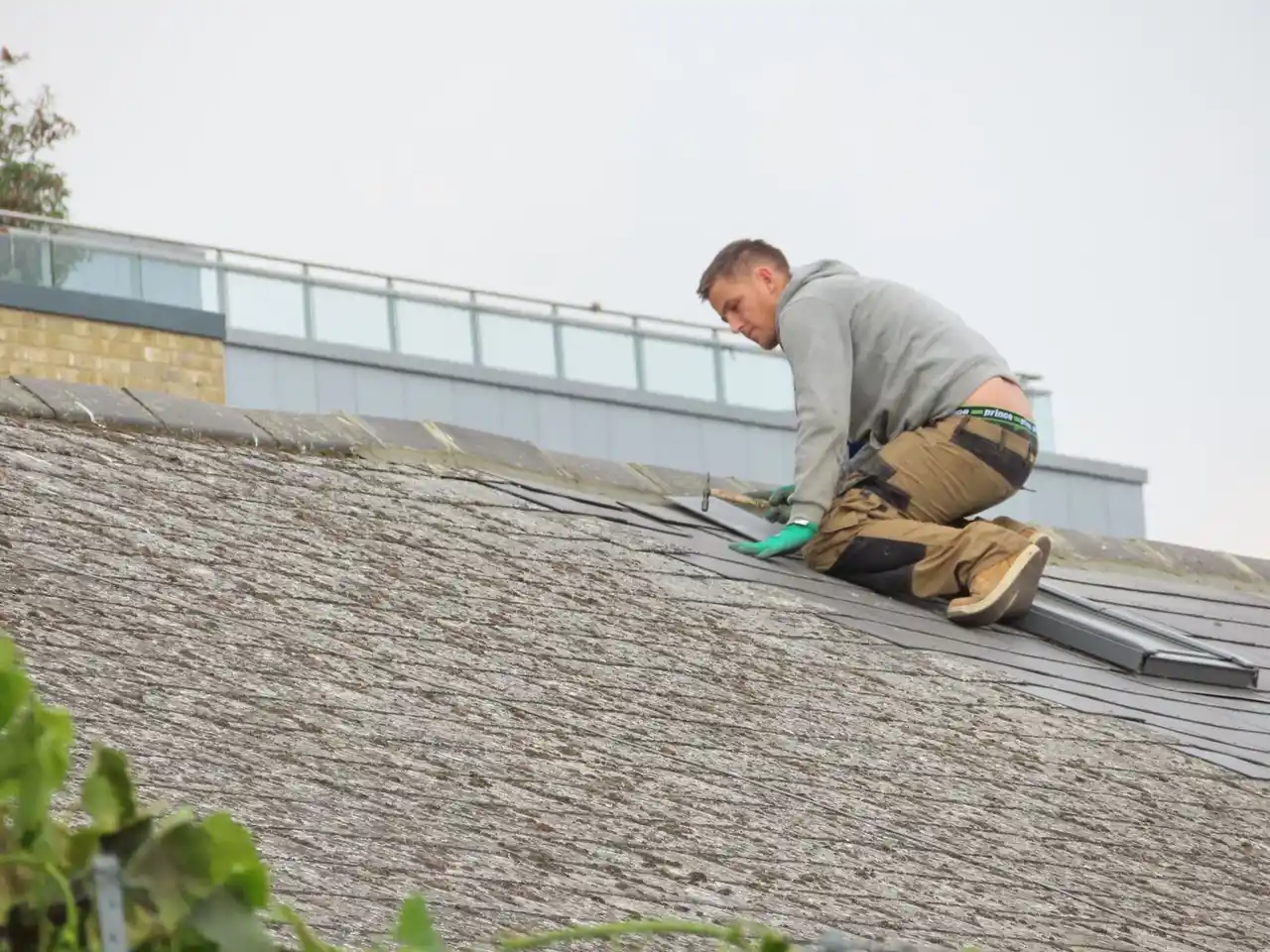
On site, we walk the roof and the attic. We use a moisture meter and an infrared thermal imaging camera to follow the water path, then lift tiles at the suspect area to check the underlayment and flashing directly. This step usually takes 45 to 90 minutes.
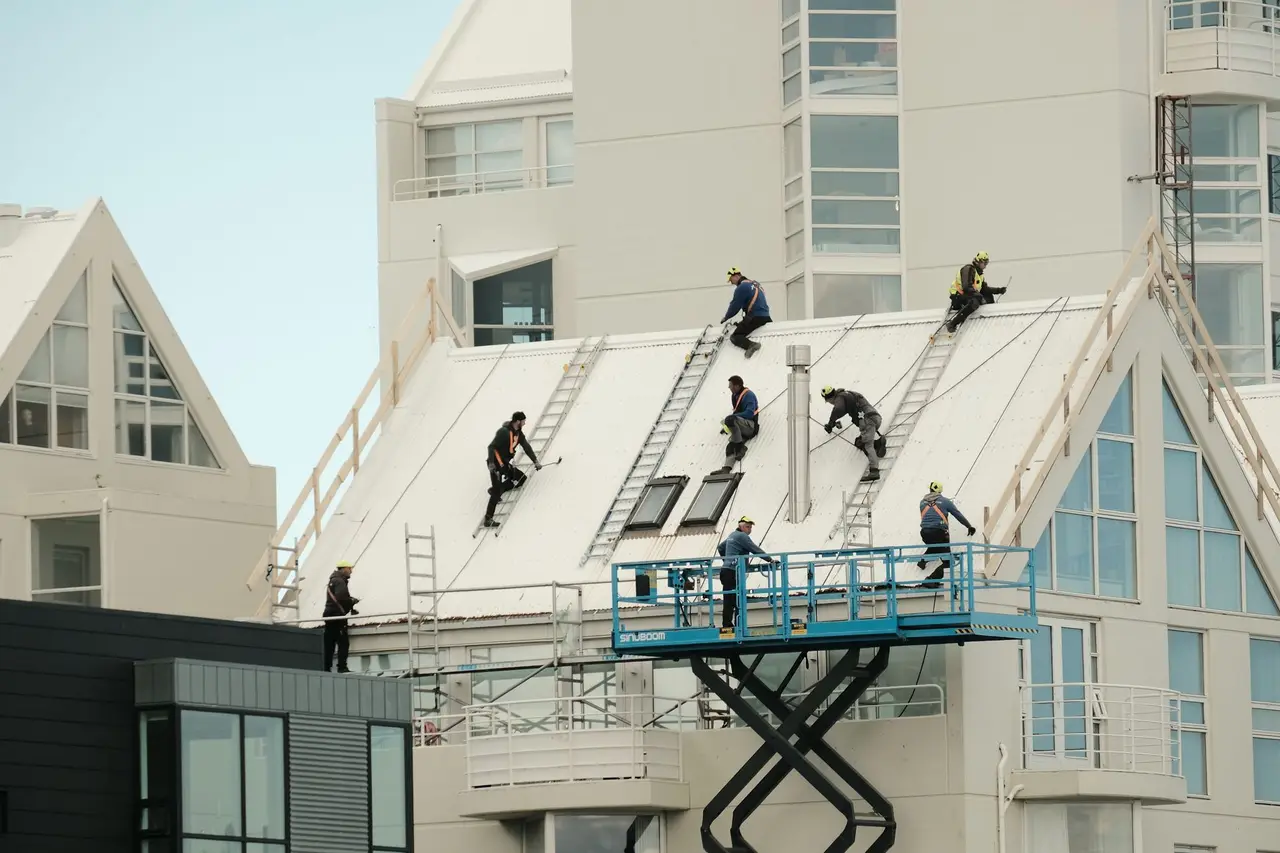
We show you what we found, in plain terms, and give you a clear price before any work starts. If the fix is a $300 flashing repair, we say so. If the underlayment has failed across a whole slope, we tell you that too, and you decide how to proceed.
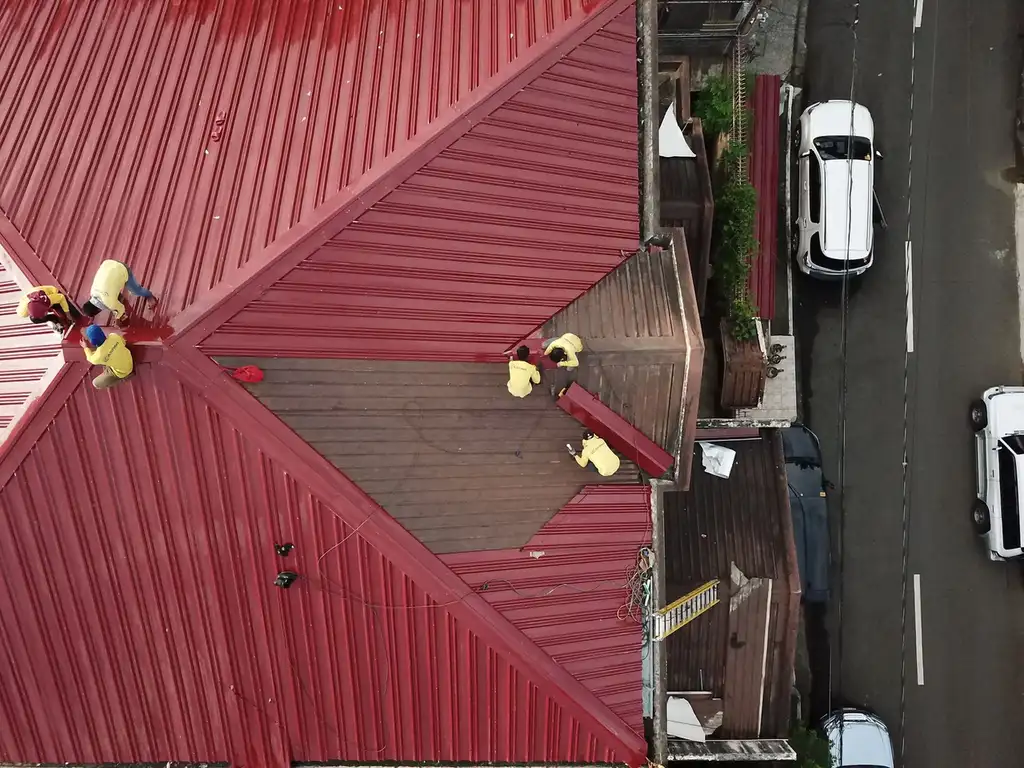
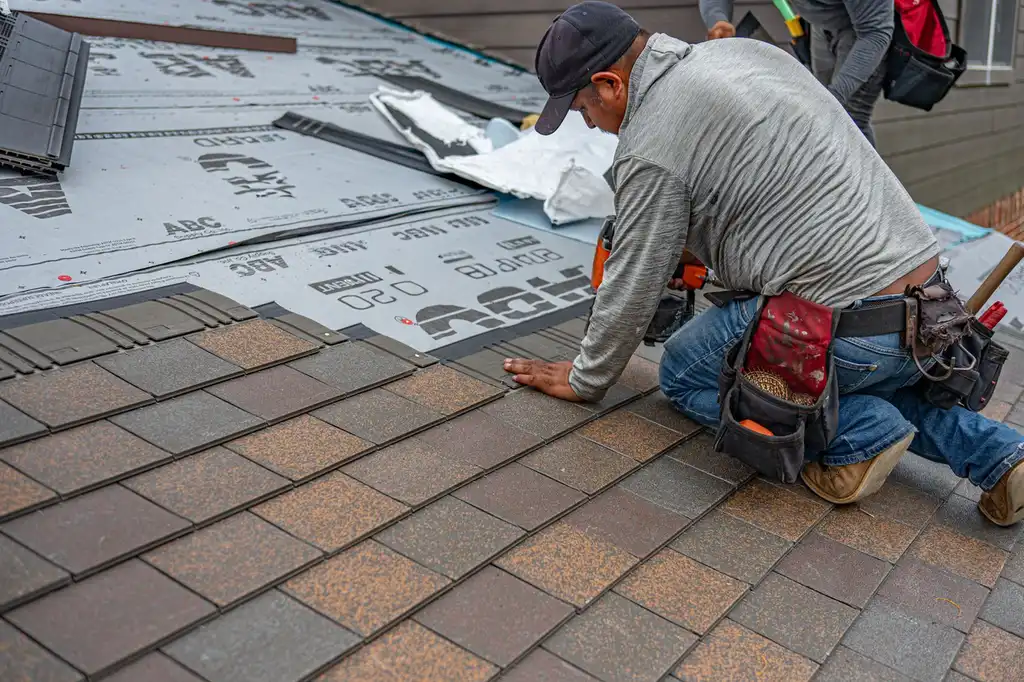
We lift the tile, replace the failed underlayment or flashing, reseal penetrations, and reset the tile. Most repairs take two to six hours. We use materials matched to your roof, including Grace underlayment, Henry roof cement, and DAP sealants where they belong.
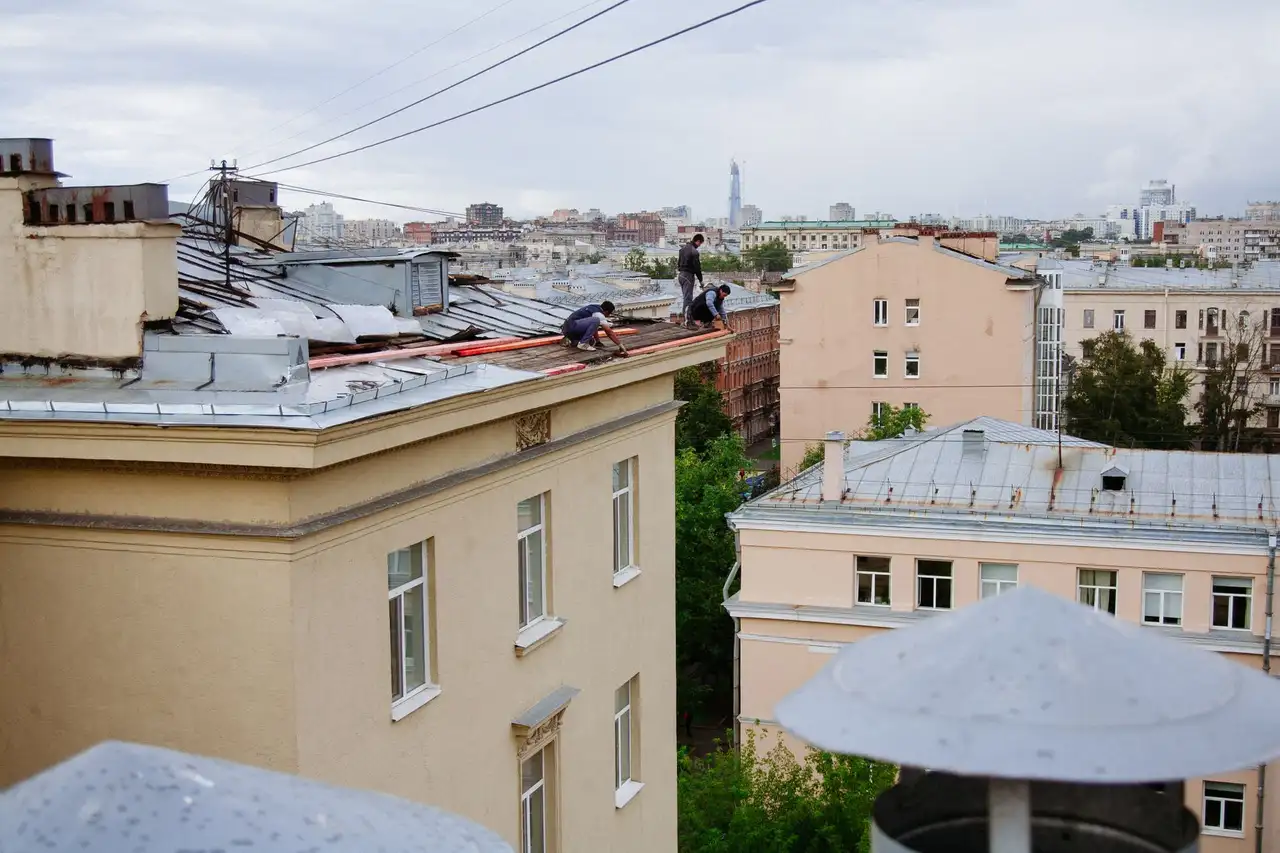
Before we leave, we run a hose test over the repaired area and check the attic side for any remaining moisture. Then we clean the gutters and ground of debris, and walk you through what we did. You get a written summary of the repair and what to watch for next season.
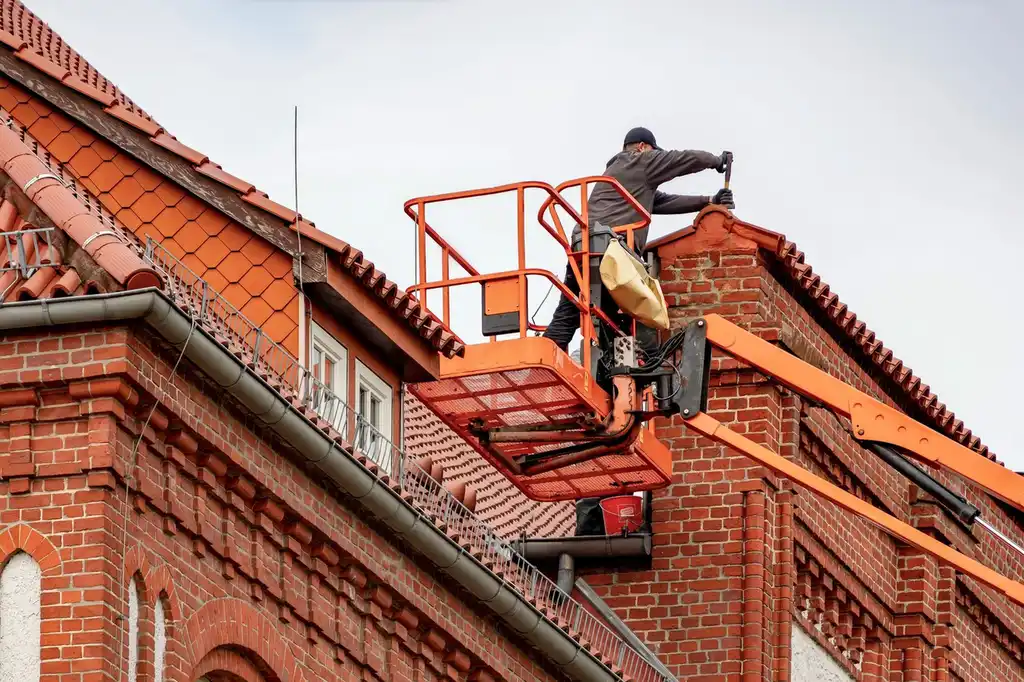
Finds moisture trapped under the roof surface by reading temperature differences. On tile roofs, it lets us locate the leak area without tearing up the whole roof to look.

Confirms whether sheathing, framing, or drywall is actually wet and how far the moisture has spread. We use it on the attic side to verify the leak path and to check after the repair.
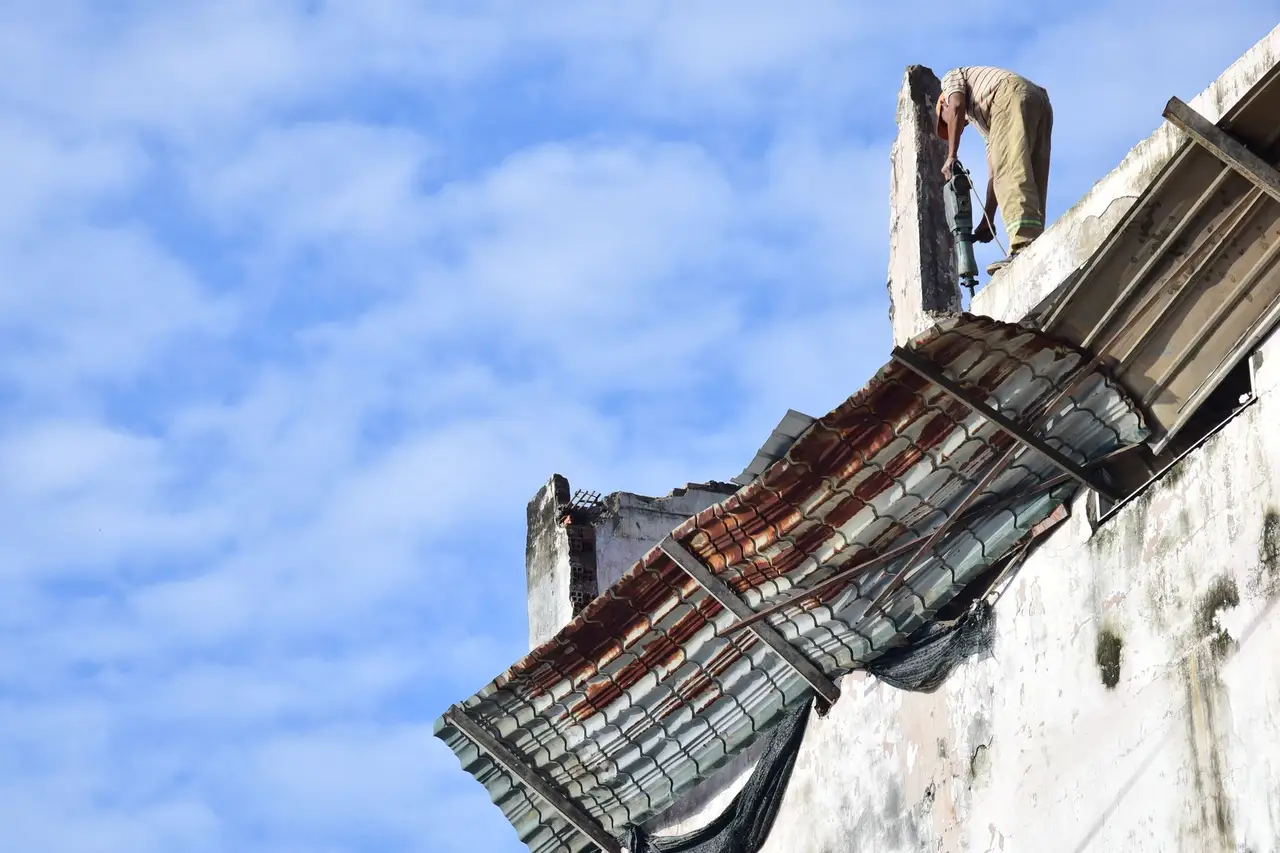
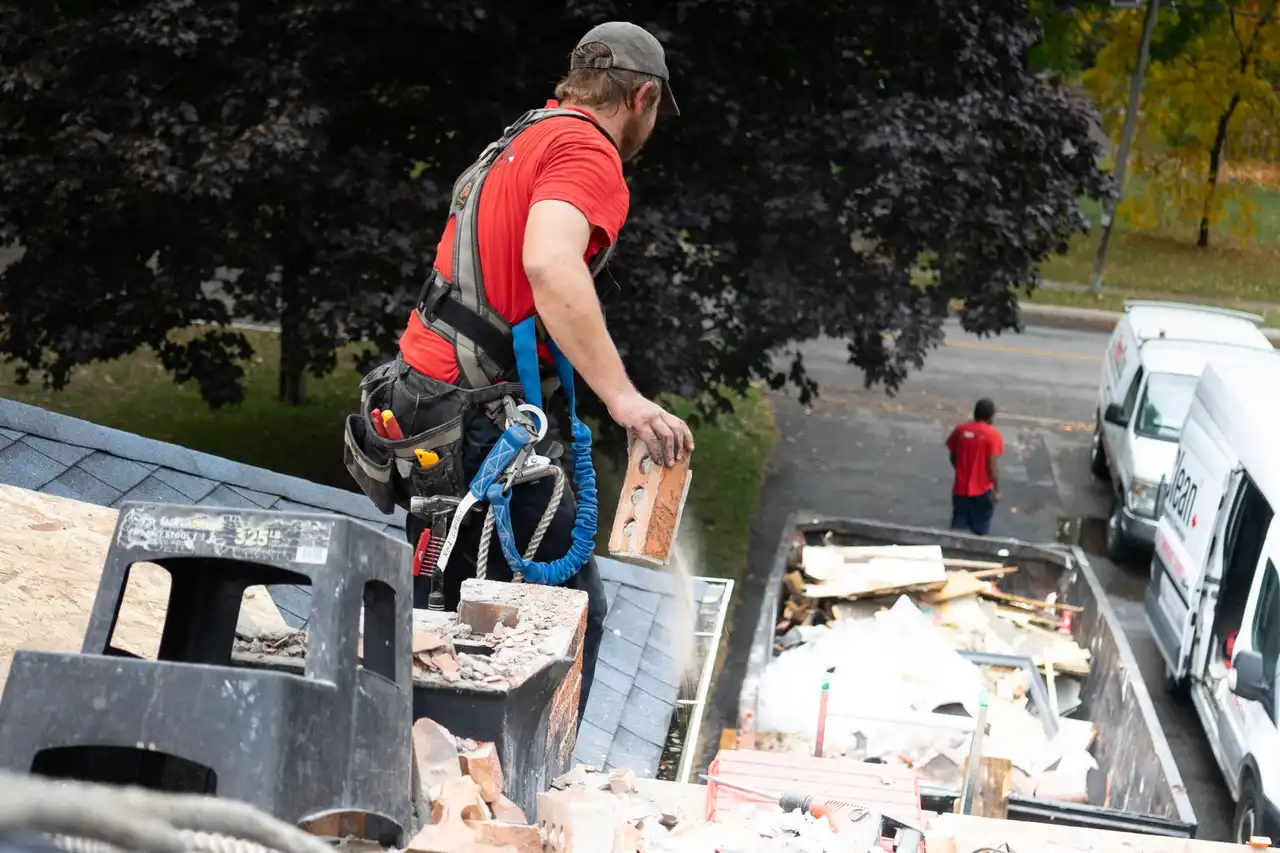
Gets us onto the roof safely and keeps us there safely. Tile roofs are slippery when dry and dangerous when wet, so this is not optional equipment.
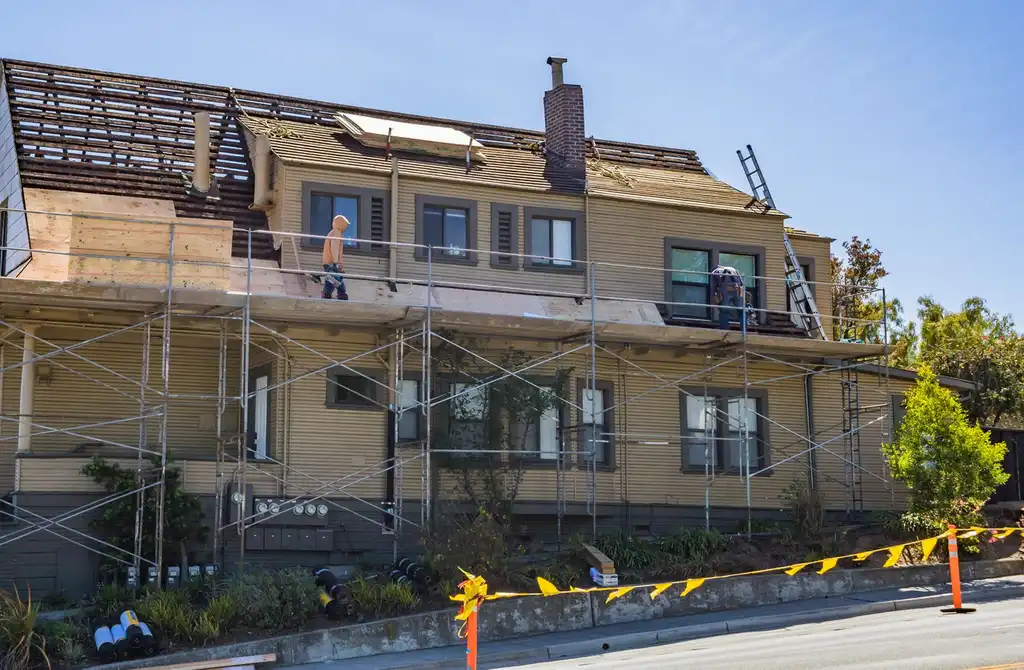
Lifts and resets tile without cracking it. The right pry bar and a hose to cushion the tile are what let us save your existing tile instead of replacing it.
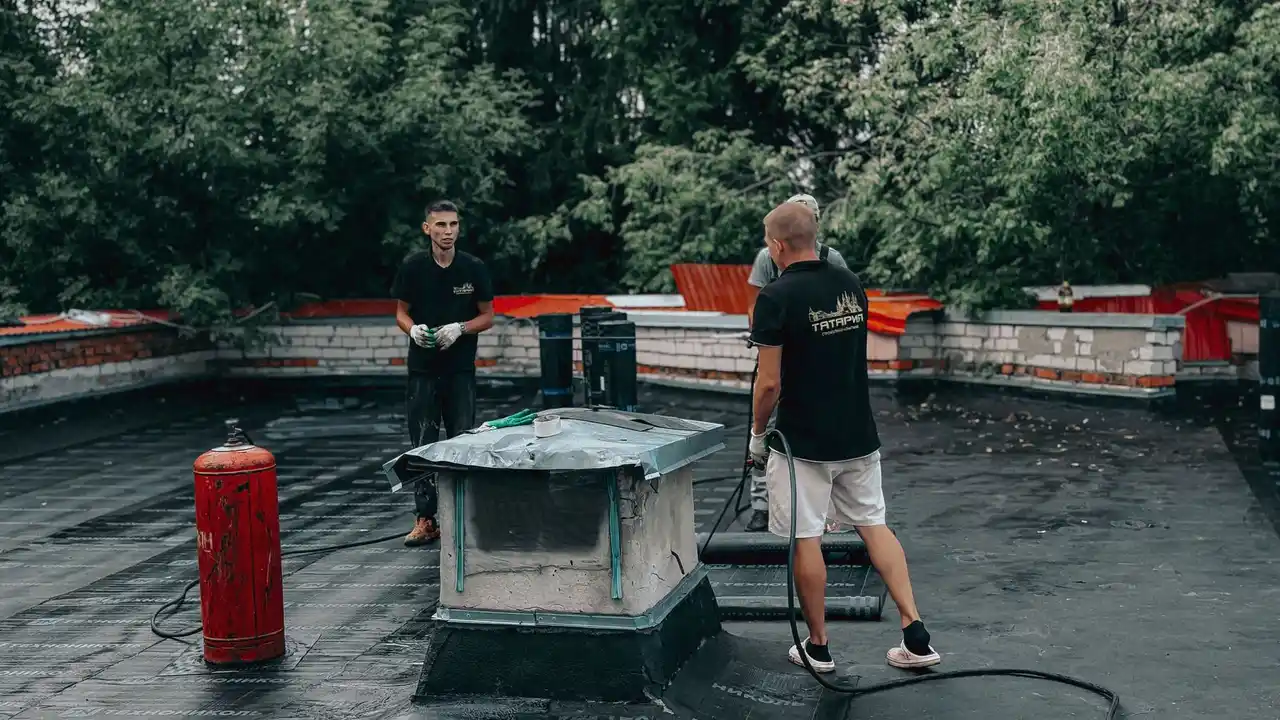
Applies roof cement and sealant precisely and cuts underlayment and flashing cleanly. Clean cuts and controlled sealant beads are what make a repair last.
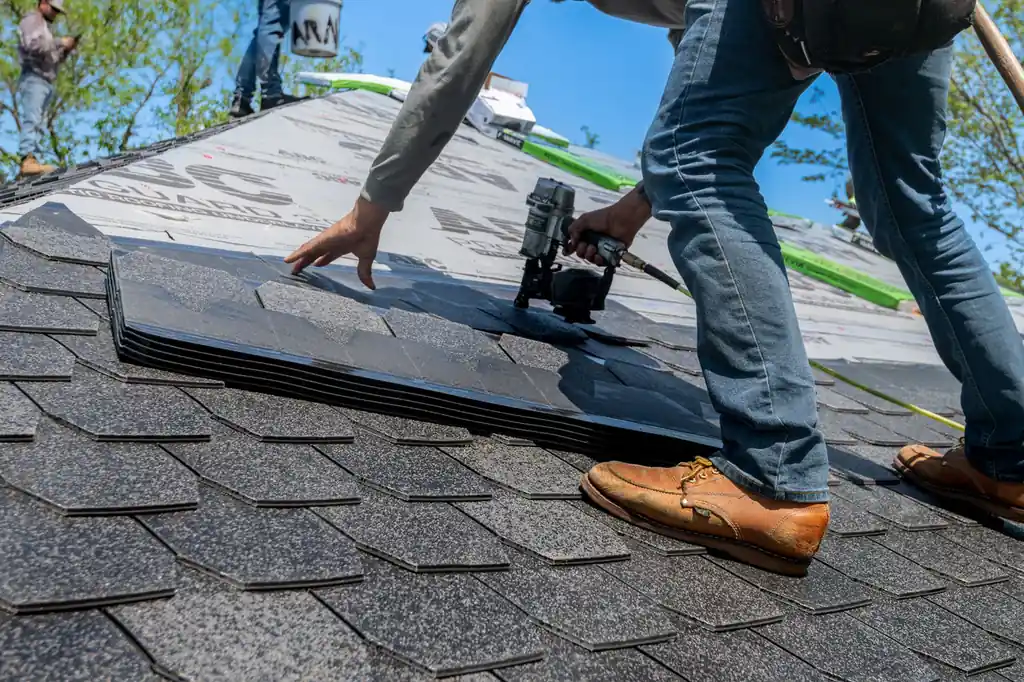
Fastens new underlayment and flashing securely without overdriving. Overdriven fasteners tear the membrane and create the next leak, so control matters.
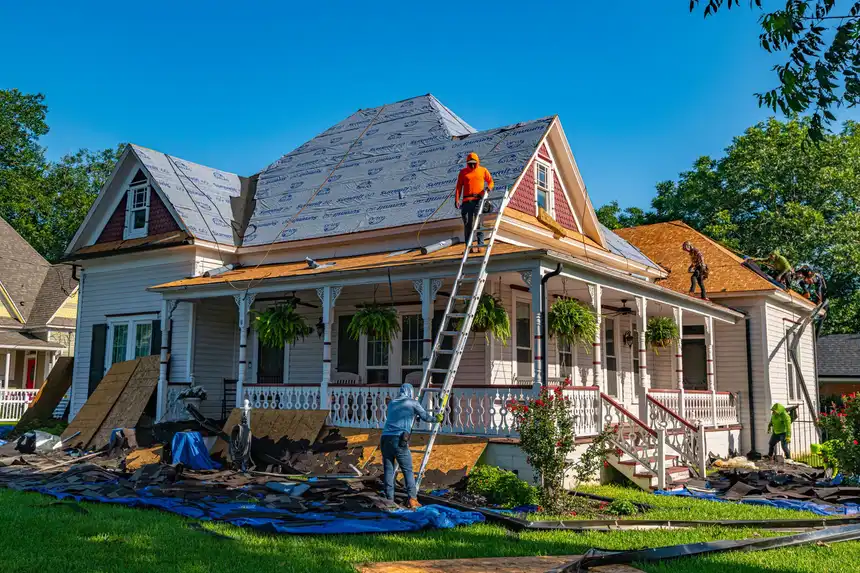
The tarp stops active leaks during a storm, and the hose is how we test the repair before we leave. We run water over the repaired area and check the attic side for moisture.
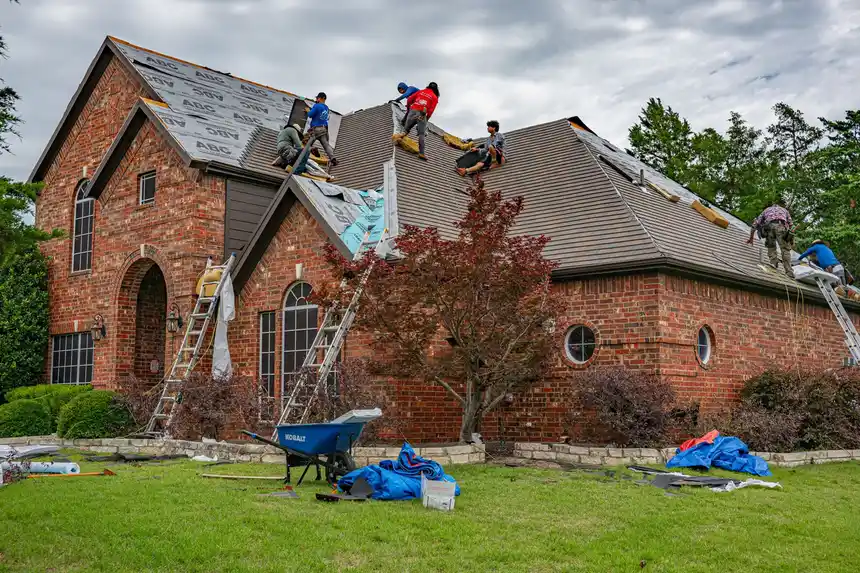
We follow the water from the stain back to the roof entry point instead of guessing from the stain location. On tile roofs, water often travels sideways under the tile before it drops, so the entry point can be 10 feet from where it shows up inside.
We come out, trace the stain back to the roof entry point, and repair the failed underlayment, flashing, or tile. Most of these are single-area repairs that we complete in one visit. The stain stops growing, the roof is sealed, and you can repair the ceiling knowing the source is fixed.
We tarp the roof the same day to stop the water, then schedule the permanent tile roof repair for when the weather clears. The tarp protects the interior in the meantime. The active leak stops, your interior is protected, and the permanent repair happens on a dry day when it will hold.
We inspect the flagged area, confirm whether it is an active leak or old damage, and repair it if needed. We document what we found and what we did so it can go into the transaction paperwork. The transaction moves forward with a clear answer on the roof, and the buyer or seller knows exactly what was repaired.
We inspect the whole roof, not just the current leak, and tell you honestly whether spot repairs will keep holding or whether the underlayment is at the end of its life across a slope. You get a realistic plan, whether that is another targeted repair or a scheduled underlayment replacement, instead of guessing every storm.
Alhambra sits in Los Angeles County with a climate that is hard on tile roofs: hot, dry summers that bake underlayment until it cracks, then winter rain that finds every gap. Most of the tile roofs here are 20 to 40 years old, and the original felt has aged out even when the tile itself still looks good. That is why we see so many tile roof leak fixing Alhambra calls after the first storm of the season. The housing stock matters too. Alhambra has a lot of older single-story homes with clay tile, plus two-story homes with concrete tile and flat sections over garages or additions. Each of those roof types fails differently, and the repair has to match. If you need Tile Roof Leak Repair Alhambra CA 24/7 during an active storm, we prioritize those calls and can tarp the roof the same day to stop the water.
A homeowner in the 91801 ZIP code had a ceiling stain spreading for two weeks. Two other companies recommended a full roof replacement. The actual cause was a cracked vent boot and a two-foot section of failed underlayment around it.
We replaced the vent boot, installed new underlayment around the penetration, and reset the tile. The repair took about three hours and cost under $700. Two storms later, the ceiling is dry and the stain has not grown.
Check vent boots every few years, especially on roofs over 15 years old. The rubber dries out in the heat and cracks before the rest of the roof shows any problem.
A two-story home near the San Marino border was leaking at a valley during heavy rain. Water was running down the chimney and into the attic, but the ceiling had not stained yet. The valley metal had pulled away from the underlayment.
We lifted the tile along the valley, replaced the failed underlayment, resealed the valley metal, and reset the tile. The repair took one day. We hose-tested the area and confirmed the attic side was dry before we left.
Keep the valley clear of leaves and debris, especially before winter. A clogged valley backs water up under the tile and finds the weakest point in the flashing.
A homeowner near Almansor Park had three leaks in three years on the same slope. Each previous repair was a spot patch. The underlayment across the whole slope had reached the end of its life and was cracking throughout.
We replaced the underlayment across the full slope, reset the existing tile, and replaced only the tiles that were broken. The job took two days. No leaks since, and the roof looks original because we saved the tile.
After an underlayment replacement, keep an eye on the tile for the first season. If any tile shifts, call us and we will reset it before it becomes a leak.
Most tile roof leaks in Alhambra fall into a handful of patterns. Here is what we see most often, what happens if you wait, and how we fix each one.
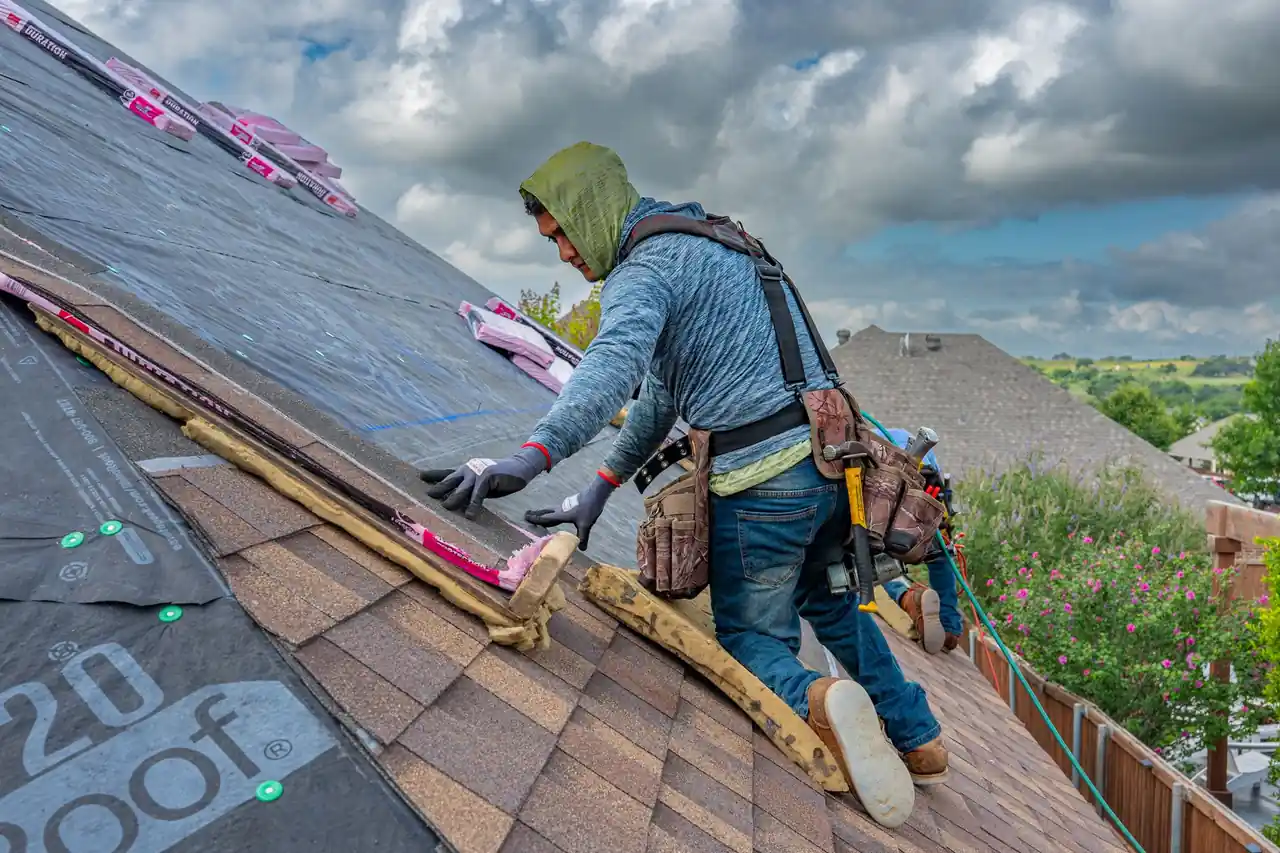
We trace the stain back to the roof entry point, usually a failed flashing or a cracked tile above a valley. We repair the underlayment and flashing, reset the tile, and hose-test the area before we leave. Water is crossing the underlayment and soaking the sheathing and insulation. Left alone, mold appears within 48 hours and the drywall and framing start to rot within a season.
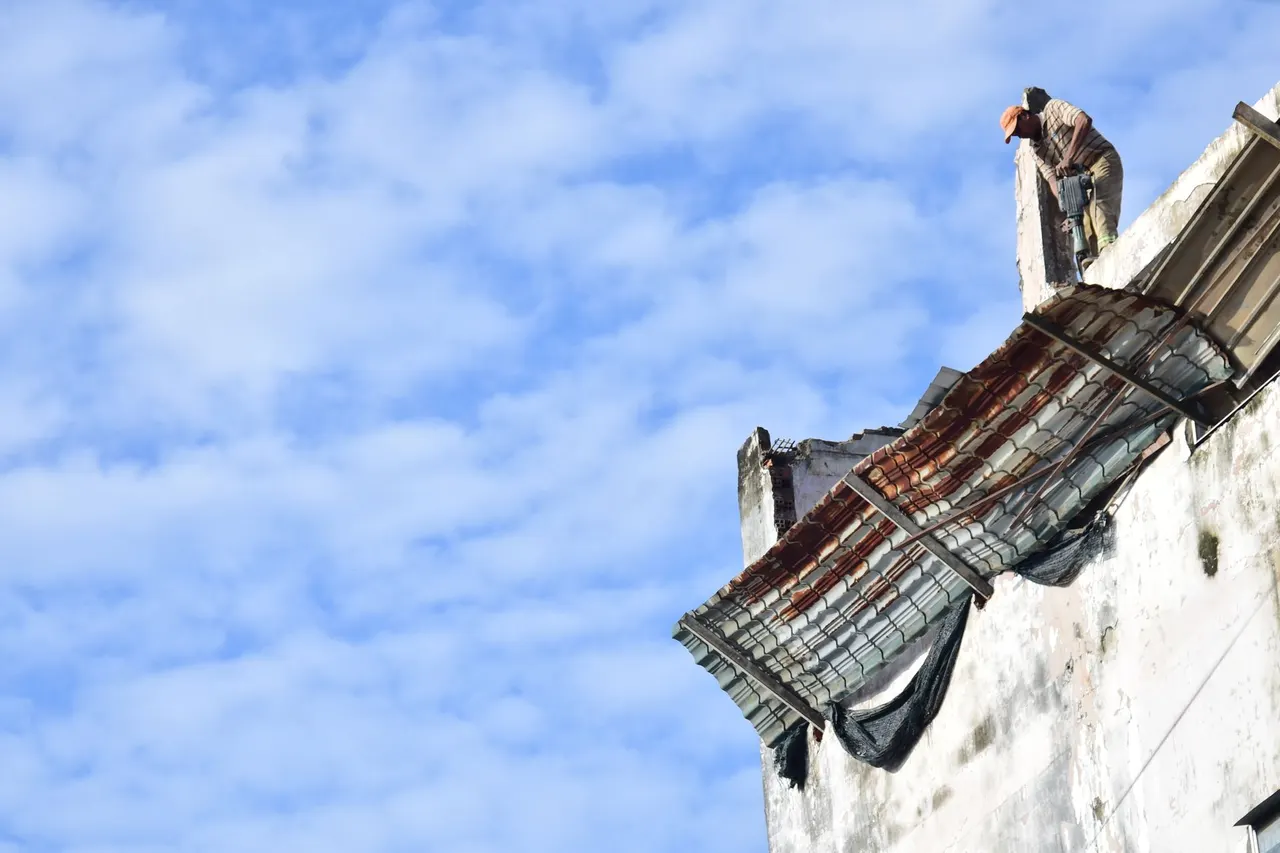
We lift the tile along the valley, inspect the valley metal and underlayment, and repair whichever layer failed. We reseal the valley metal and install new underlayment under the tile so the valley sheds water the way it should. Valleys carry the most water on the roof, so a small failure there dumps water into the attic fast. The leak often shows up far from the valley itself, making it hard to find without tracing.
We use an infrared thermal imaging camera to find the moisture pattern in the sheathing, then trace it back to the roof entry point. Most of these turn out to be vent boot or flashing leaks that we can fix in a few hours. The leak is small enough that it evaporates before reaching the ceiling, but the sheathing stays damp. Over time, that means mold, delaminated plywood, and a much bigger repair.

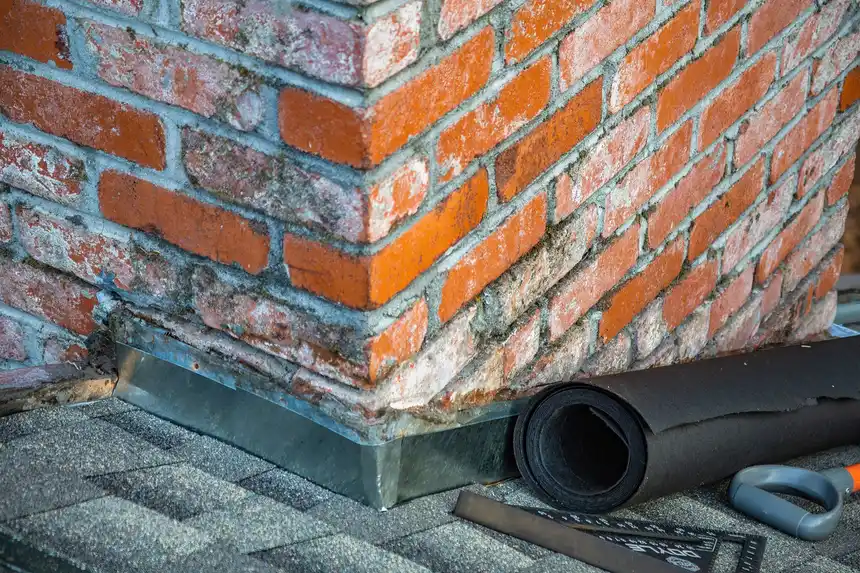
We rebuild the flashing layers around the chimney, seal the counter-flashing into the masonry, and replace any underlayment that has failed near the chimney. We check the attic side after the repair to confirm it is dry. Chimney flashing takes the worst weather on the roof. Once the counter-flashing pulls away from the masonry, water runs straight down the chimney and into the attic.
Water that reaches your ceiling has already crossed the underlayment, sheathing, and often the insulation. We repair the tile roof leak where it starts, so the next storm does not find the same path. Most repairs we complete run $450 to $1,800 depending on how far the water traveled.
Good clay and concrete tiles can last 50 years or more. When the underlayment fails first, we can often lift, save, and reset the existing tile instead of replacing it. That keeps the repair affordable and preserves the look of your roof.
Sheathing and framing that stay wet grow mold within 24 to 48 hours and rot within a season. Catching a tile roof leak early keeps the repair in the hundreds instead of the thousands. We check the attic side too, so nothing is hiding above your head.
A tile roof is a system: tile, underlayment, flashing, and drainage all working together. When one layer fails, the others wear faster. We restore the whole assembly so the roof sheds water the way it was designed to.
Clear records you can keep and share.
What failed, what we fixed, and what to watch
Before and after photos of the repaired area
Water test and attic check before we leave
Tile sheds water, but the underlayment and flashing underneath are what actually keep your house dry. When a tile roof leaks, the tile is rarely the whole problem.
Tile sheds most rain, but water still gets underneath at laps and cracks. The underlayment is the real waterproofing layer, and it ages out long before the tile does.
Water often runs sideways under the tile before it drops into the attic. The entry point can be 10 feet from the ceiling stain, which is why tracing matters more than guessing.
Valleys, chimneys, skylights, and vents are where most tile roof leaks start. The flashing at these transitions takes the worst weather and fails before the tile field does.
Not sure if we cover your area? Call and ask. (626) 640-8498
Most tile roof leak repairs in Alhambra run $450 to $1,800 in 2026, depending on access, how many tiles must be lifted, and whether the underlayment or just the flashing failed. A single flashing repair near a vent or valley is often on the low end. A full slope of failed underlayment is on the high end. We give you the number before we start.
In Alhambra, the tile is almost never the whole story. The leak usually comes from failed underlayment, cracked flashing at a valley or chimney, a vent boot that has dried out, or a skylight seal. Tile roofs here are often 20 to 40 years old, and the original felt has aged out even when the tiles look fine. That is why we trace the water before we quote.
We do. Roof Repair Alhambra Pros handles tile roof leak fixing across Alhambra and the surrounding San Gabriel Valley, including San Gabriel, Monterey Park, Rosemead, and San Marino. Call (626) 640-8498 and describe what you are seeing. We will tell you what it likely is and get a technician out to confirm.
Yes, and that is most of what we do on tile roofs. We lift the tile, cut out the failed section of underlayment, install new Grace or comparable membrane, seal the laps, and reset the tile. If the underlayment has failed across an entire slope, we will tell you honestly whether a spot repair will hold or whether the slope needs a full replacement.
Water is already inside the roof assembly, and every storm pushes it further. Call (626) 640-8498 and we will schedule a visit, trace the leak, and give you a clear price before we start. Same-day and next-day appointments available across Alhambra.
Call us at (626) 640-8498 or email info@roofrepairalhambrapros.com. We answer the phone during business hours and respond to emergency calls after hours. Same-day estimates are available for most jobs in Alhambra and surrounding areas.