Photos
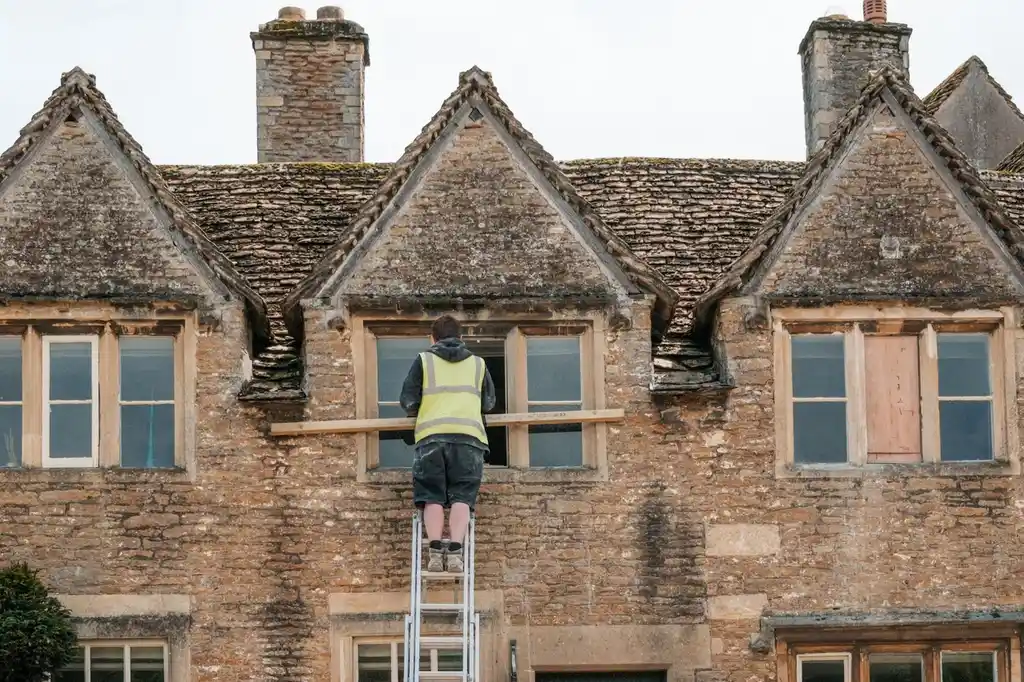
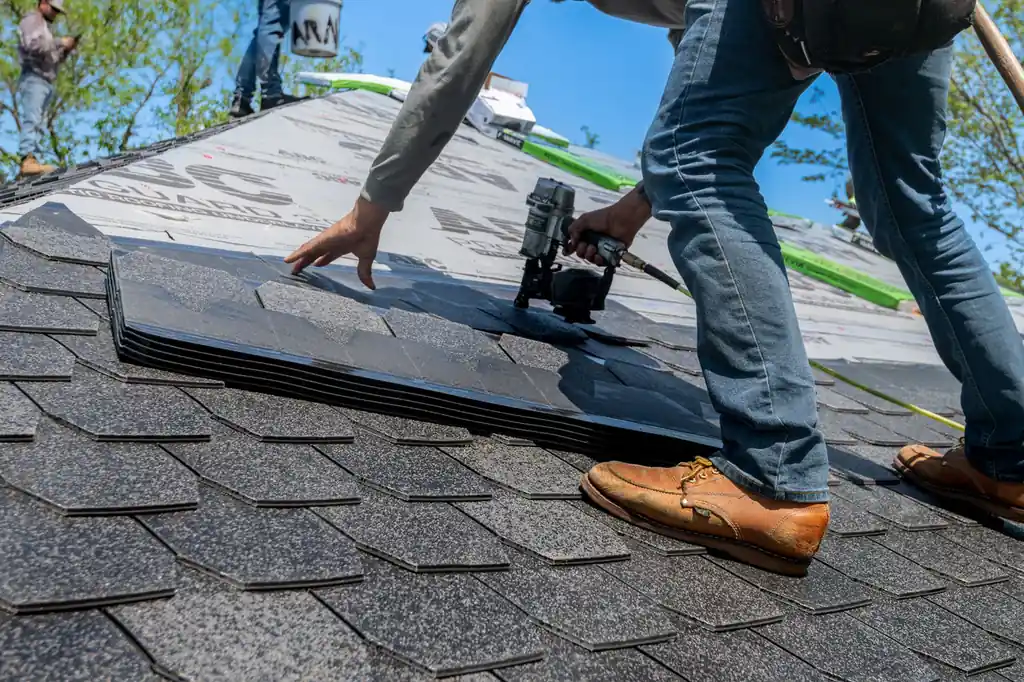
Before and after images of the repair
When a TPO membrane fails, water finds the fastest path into your building. Our team handles TPO Roof Leak Repair Alhambra CA homeowners and property managers call for first, using infrared thermal imaging cameras and moisture meters to trace the leak before we cut anything open. We repair seams, penetrations, and flashing, then flood-test the patch before we leave.

Every TPO Roof Leak Repair Alhambra CA job includes detection, repair, and a water test. Here is what is covered in a standard repair, and what we handle as a separate scope if your roof needs more than a patch.
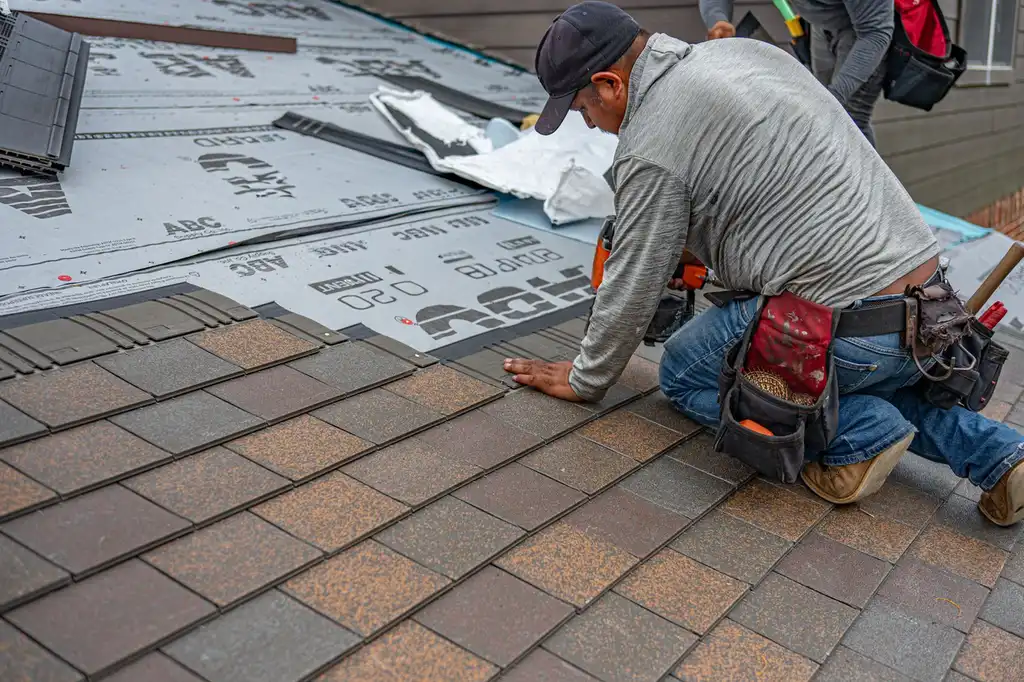
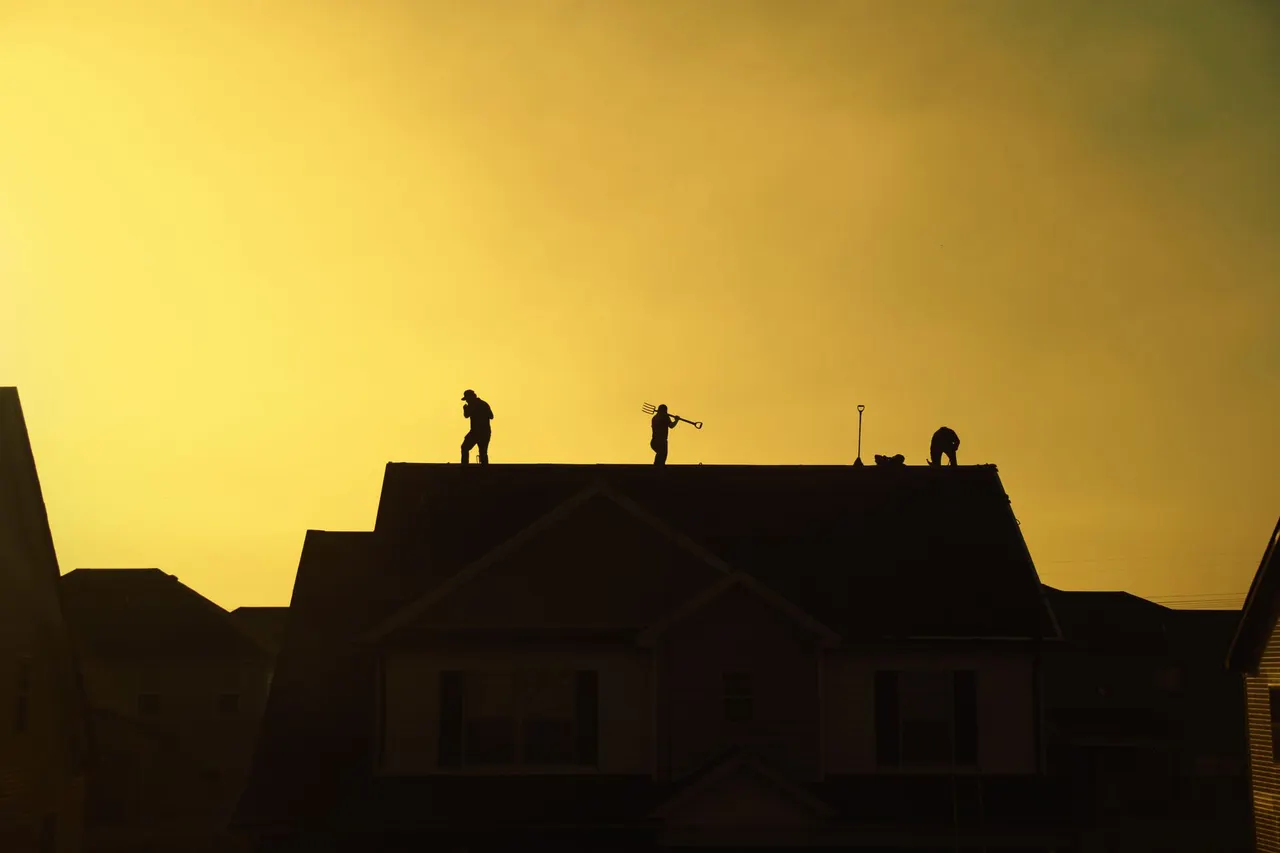
We repair flat and low-slope roof sections on homes, including garage tops and additions. You get the leak found, fixed, and water-tested before we leave.
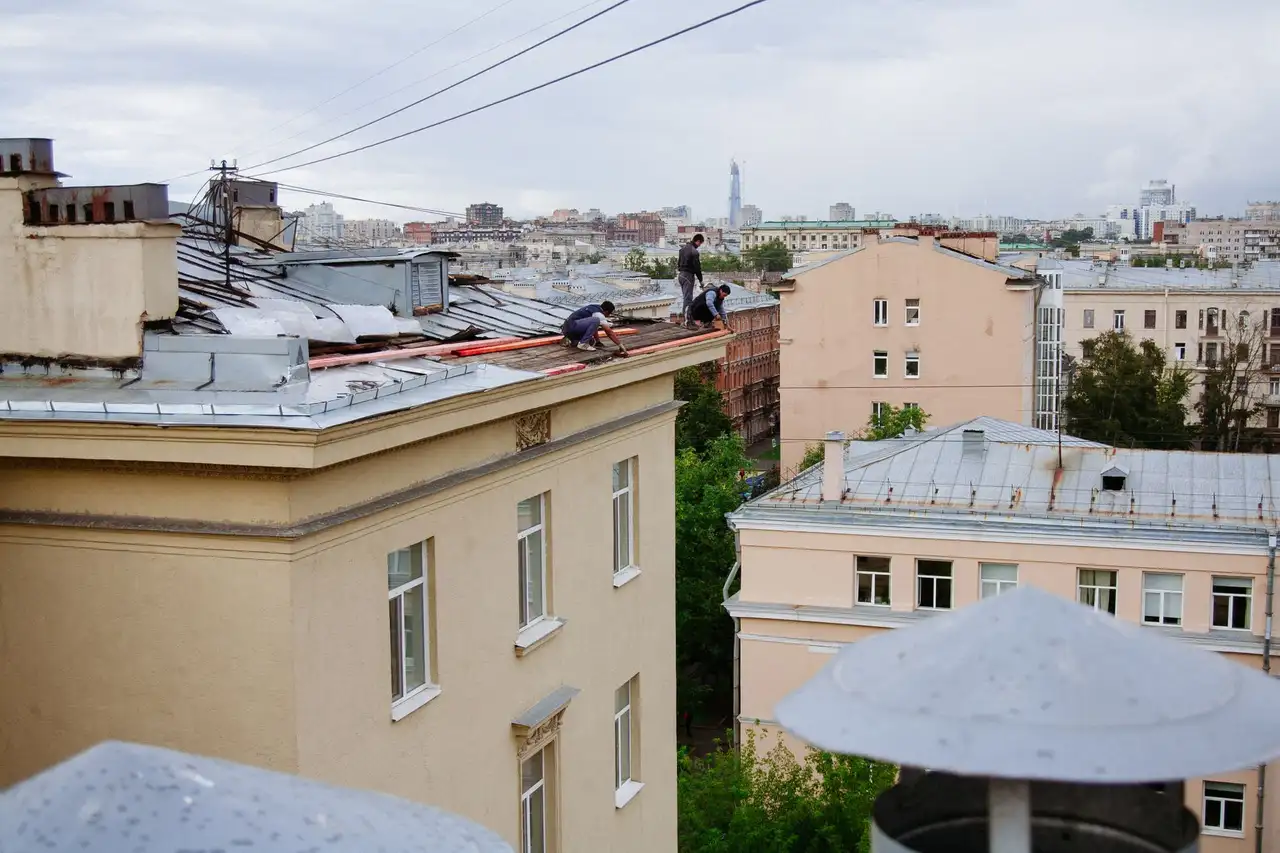
We work on commercial flat roofs around your operating hours. Tenants and staff stay dry while we trace and repair the membrane breach.
TPO Roof Leak Repair Alhambra CA is the process of locating and sealing failures in a thermoplastic polyolefin membrane roof, then restoring the waterproof layer so it sheds water again. TPO is a single-ply sheet, usually white, heat-welded at the seams. When a seam lifts, a fastener backs out, or a rooftop unit vibrates a penetration loose, water gets under the sheet and travels sideways, often showing up on a ceiling far from the actual breach. We map the moisture with an infrared thermal imaging camera and a moisture meter, open the membrane only where the leak is, and weld in a new patch.
Most of the flat and low-slope roofs we see across Alhambra are on 1950s to 1980s commercial buildings, additions, and garage tops. Summer heat bakes the membrane, winter rain sits in low spots, and ponding water works the seams loose over time. If you have been searching for TPO roof leak fixing near me Alhambra, the first thing we do is confirm whether the leak is a seam, a flashing detail, or a roof penetration leak repair issue, because each one gets a different fix and a different price.
Find the source first, weld the patch second, test it before leaving.
We keep it simple: find the leak, show you what we found, fix it, and prove it holds. Here is what a typical TPO Roof Leak Repair in Alhambra, California looks like from your first call to the final test.
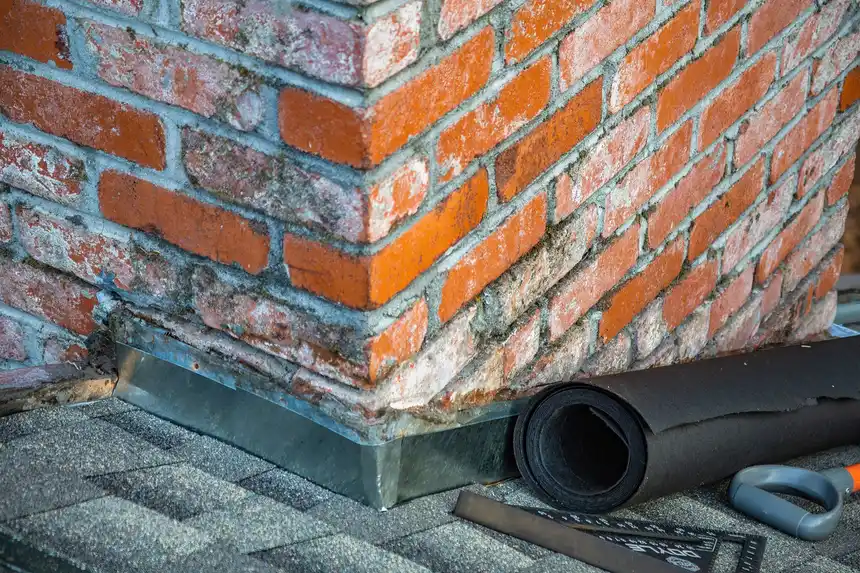
You call (626) 640-8498 and describe what you are seeing: a ceiling stain, water in a light fixture, a puddle on the roof deck. We ask a few questions to narrow the area, then schedule a visit, usually the same day for active leaks. You get a window, not a vague all-day promise.

On site, we walk the roof with an infrared thermal imaging camera and a moisture meter to find wet insulation under the membrane. We check seams, flashing, drains, and every penetration. This step usually takes 30 to 60 minutes and tells us exactly where the water is entering, not just where it is showing up inside.
We show you photos of the failure and explain what caused it. You get a clear price before we start, covering the patch, the materials, and the test. No surprises added later. If the leak turns out to be a bigger issue, like saturated insulation, we tell you that up front.

We cut back the failed membrane, clean and dry the substrate, then heat-weld a new TPO patch into place. Seams get re-welded, flashing gets resealed, and loose fasteners get reset. Most single-leak repairs take two to four hours on site, depending on access and how far the water traveled.
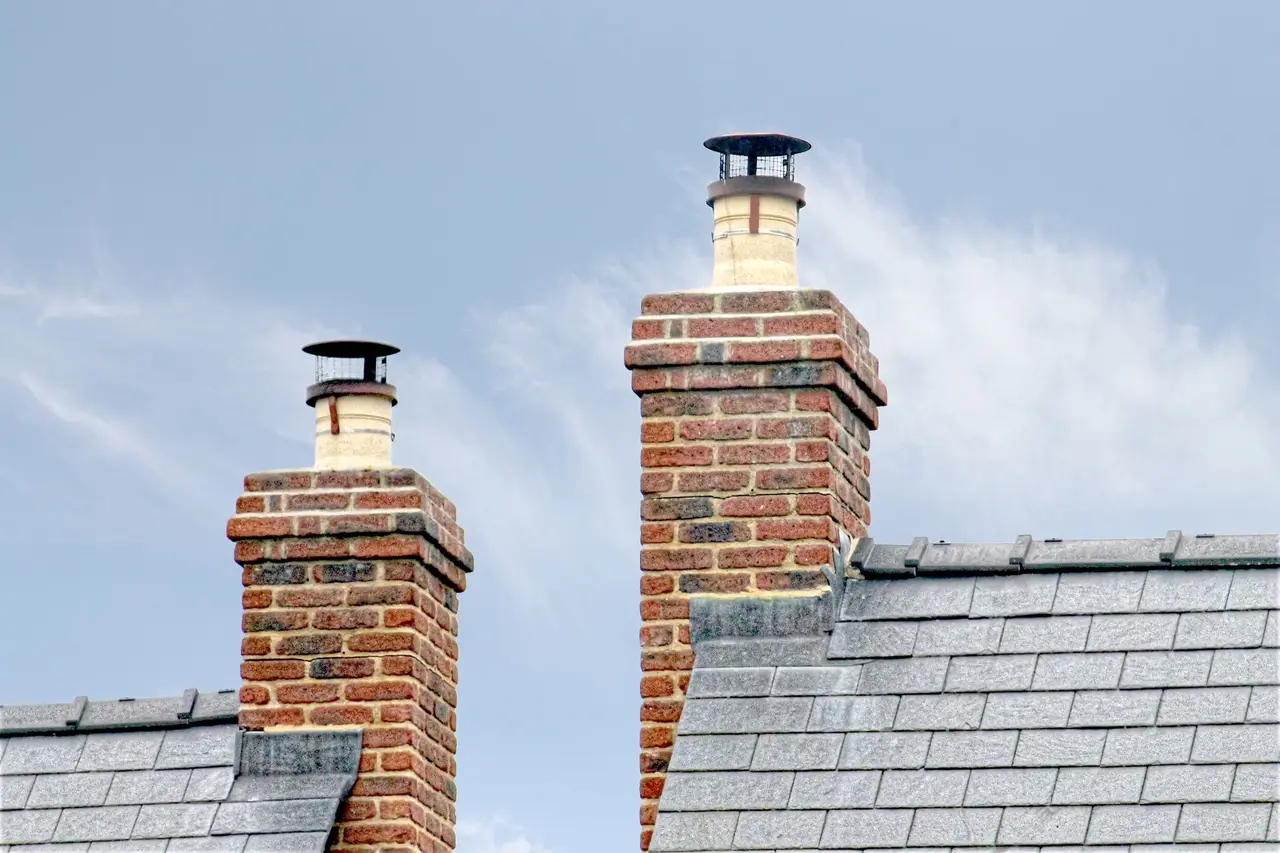
Before we pack up, we flood-test the repaired area or run a hose over it to confirm the patch holds. You get photos of the finished work and a short explanation of what to watch for. If anything weeps, we fix it on the spot, not on a return trip.

Reads temperature differences on the roof surface to show wet insulation under the membrane, so we find the leak source without tearing up the whole roof.
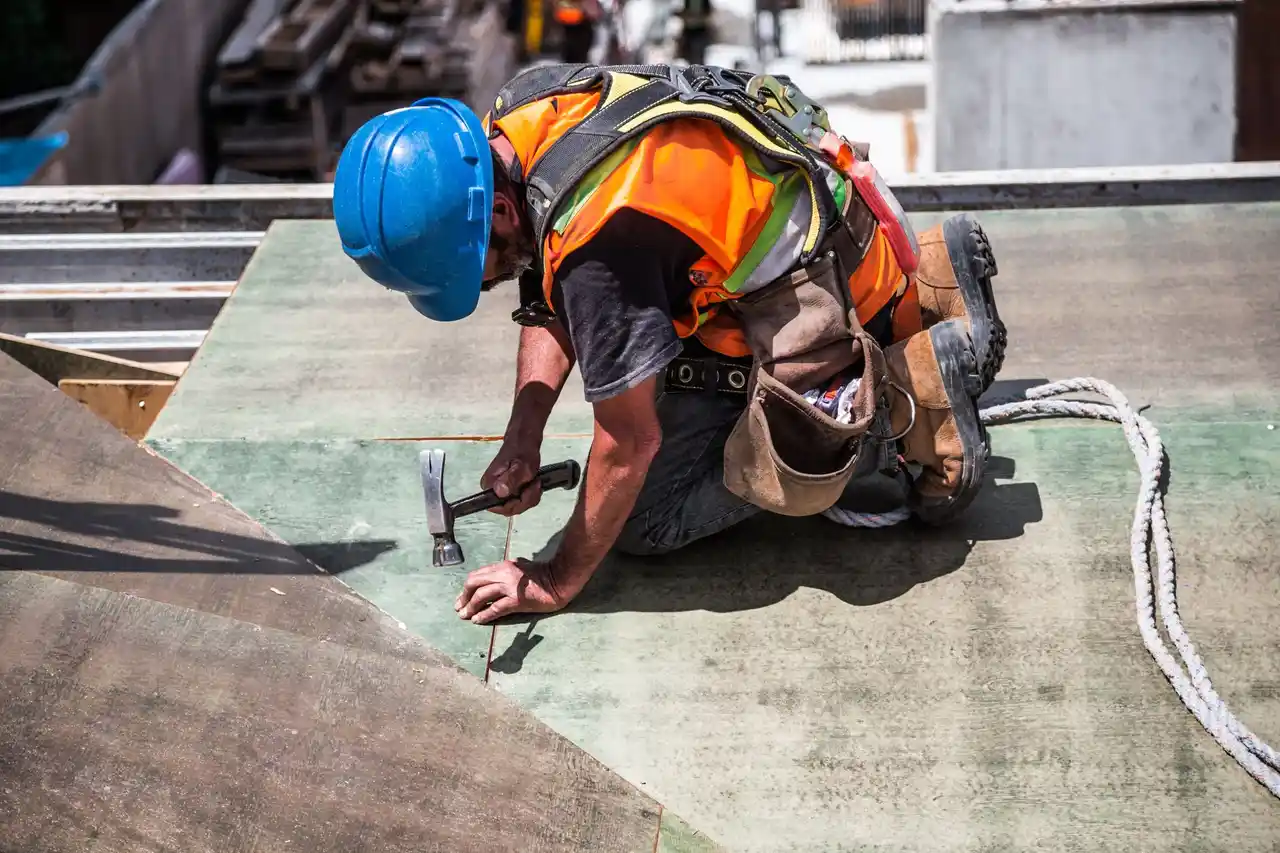
Confirms wet areas the camera flags and checks the substrate before we weld a patch, because a weld over wet material will not hold.
Bonds the new TPO patch into the existing membrane so the repair becomes one continuous sheet instead of a glued-on cover.
Gets us on and off the roof safely and keeps crews secure while working at height, in line with OSHA safety certification standards.
Applies sealant at flashing and penetration details and trims membrane cleanly so patches fit tight and seal properly.

Used to water-test repairs before we leave and to cover a roof temporarily when a permanent repair has to wait for dry weather.
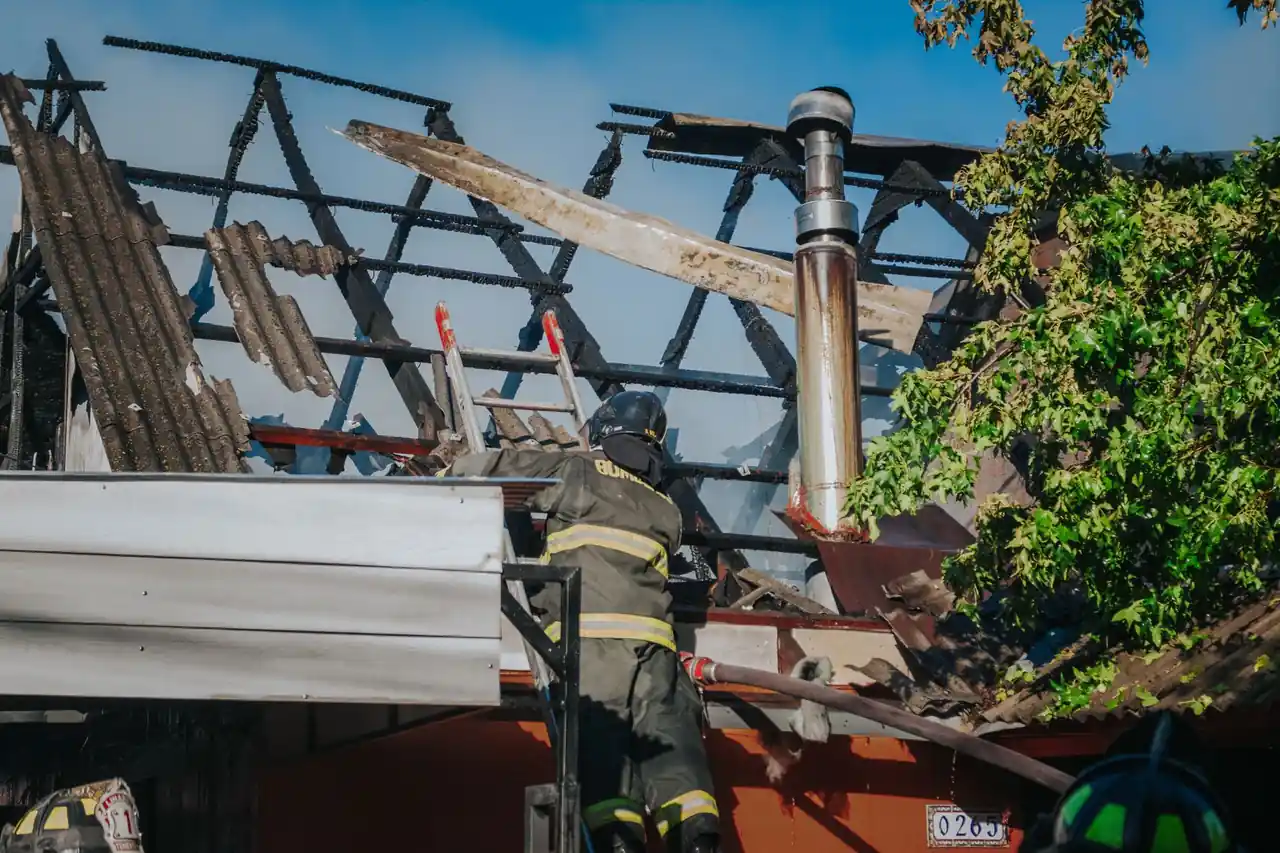
We scan the roof in the right temperature conditions so wet insulation shows up as a distinct thermal pattern. This tells us where water actually entered, not just where it dripped inside, which is why we open the membrane in one place instead of three.
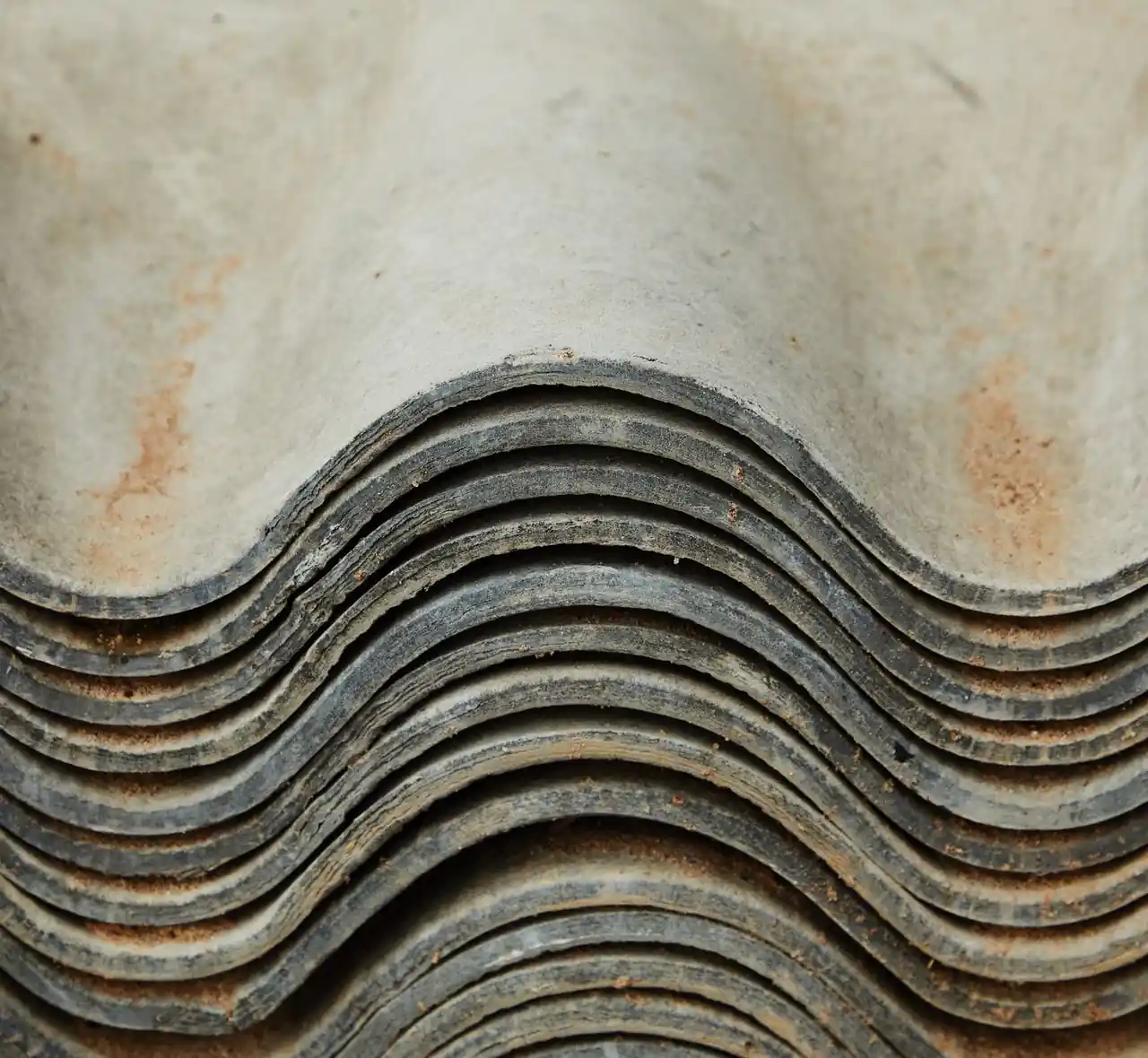
We cut back the failed seam, clean and dry the membrane, and heat-weld a new strip over it. The weld fuses the layers together, and we test the seam by hand and with water before we call it done.
We inspect the flat roof above the unit with an infrared camera, trace the water path, and repair the membrane breach. We work around your tenant schedule so the business stays open. The leak stops, the ceiling dries out, and you have photos and a written scope to show the tenant and your insurance if needed.
We find the entry point, which is often a seam or penetration rather than the spot above the drip. We weld a patch, reseal the penetration, and test it with water before we leave. The garage stays dry through the next storm, and you avoid replacing insulation and drywall that would have soaked through.
We respond to the emergency call, tarp the roof to stop the water, and return in dry weather to make the permanent TPO repair. The tarp buys time without letting damage spread. The stairwell stops taking on water that night, and the permanent repair is done correctly instead of rushed in the rain.
We re-diagnose from scratch with thermal imaging, because a leak that returns usually has a source nobody found. We repair the actual breach, not the visible symptom. The leak stops for good, and you stop paying for repeat patches that never solved the problem.
Alhambra sits in Los Angeles County with hot, dry summers and a winter rainy season that does most of the damage. Flat and low-slope roofs on older commercial buildings, garage tops, and additions take the brunt. Summer heat expands the membrane and works seams loose, then the first winter rain finds every gap. Ponding is common on roofs that were not pitched enough or whose drains have clogged over the years. We see a lot of 1950s to 1980s construction with original or once-replaced membranes, and those roofs need detection before repair, because the leak source is rarely where the stain shows up. If you need TPO Roof Leak Repair Alhambra CA 24/7 during a storm, call and we will schedule the soonest visit and tarp the roof if the repair has to wait. We work across ZIP codes 91801, 91803, and 91899, and we know the building stock well enough to know where leaks tend to start.
A retail unit on Main Street had a growing ceiling stain and water dripping into a display area after every rain. Two previous patches had not stopped it, and the tenant was threatening to leave.
We ran an infrared scan, found a failed seam about fifteen feet from the stain, and heat-welded a new patch. The leak stopped, the ceiling dried, and the tenant stayed. Total on-site time was under four hours.
We recommended a seam check each fall before the rainy season and keeping the drains clear. A quick annual inspection catches lifted seams before they open up again.
A homeowner in San Gabriel had water dripping into the garage from a flat roof above. Sealant had been smeared over the area twice, and the leak kept returning because the actual penetration was never repaired.
We traced the leak to a cracked vent boot and a compromised membrane around it. We replaced the boot, welded a new patch around the penetration, and water-tested it. The garage has stayed dry through two rainy seasons.
Check the vent boots and penetration seals once a year. They are the first thing to fail on a flat roof, and catching them early keeps the repair small.
A property manager in Monterey Park called on a Friday evening with water coming into a stairwell during a storm. The roof needed a permanent repair, but the weather was not going to allow it that night.
We tarped the roof that evening to stop the water, then returned Monday to make the permanent TPO repair. The stairwell stopped taking on water, and the repair was done properly in dry conditions instead of rushed in the rain.
Keep the drains and scuppers clear year-round. Most emergency calls we get during storms trace back to a clogged drain that let water back up under the membrane.
Flat roofs fail in predictable ways, and we have seen most of them on Alhambra buildings. Here are the problems we fix most often when someone calls us for TPO roof leak fixing near me open now Alhambra.
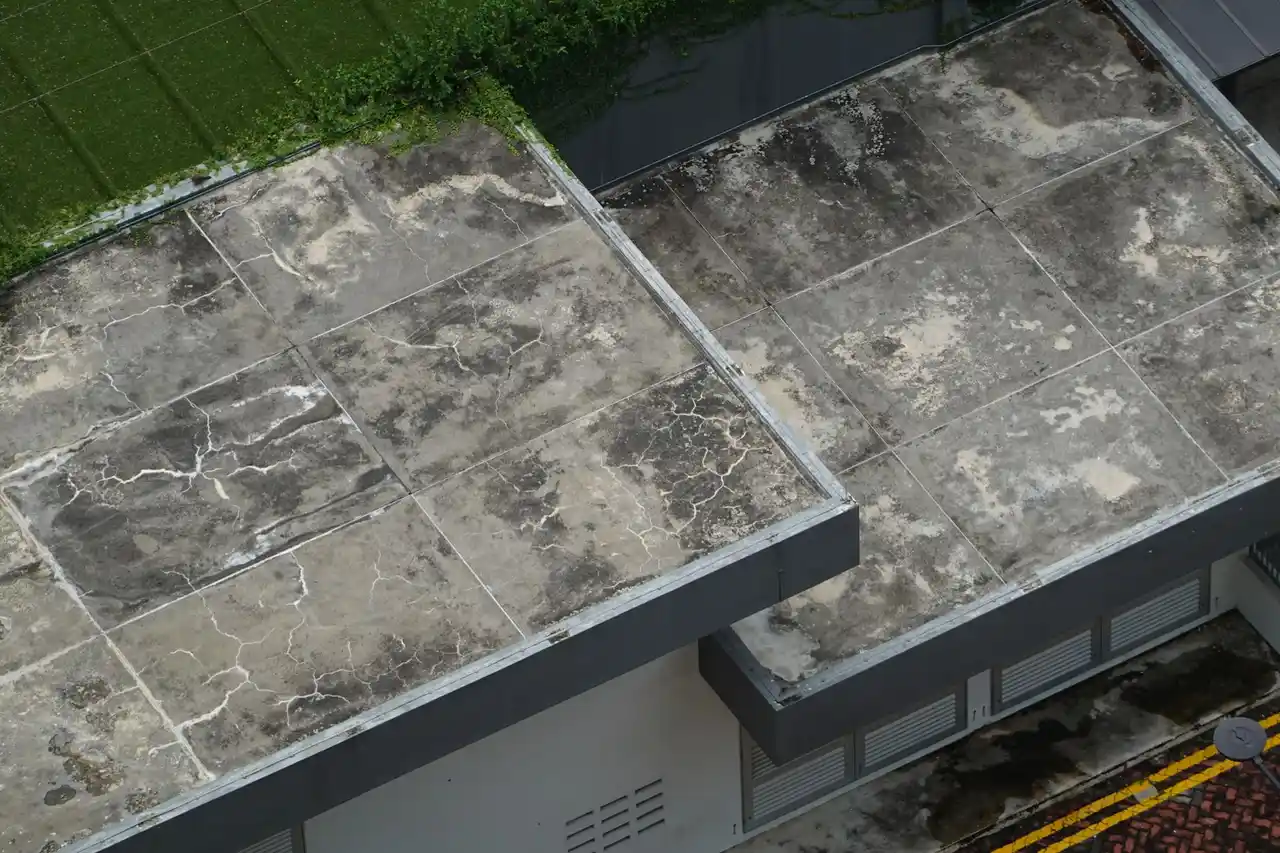
We cut back the failed seam, clean and dry the membrane, and heat-weld a new cover strip over it. The repair bonds into the existing sheet, and we water-test it before we leave to confirm the seam is sealed. Water gets under the sheet and travels sideways, soaking insulation and staining ceilings far from the actual seam. Left alone, the whole membrane section starts to lift.
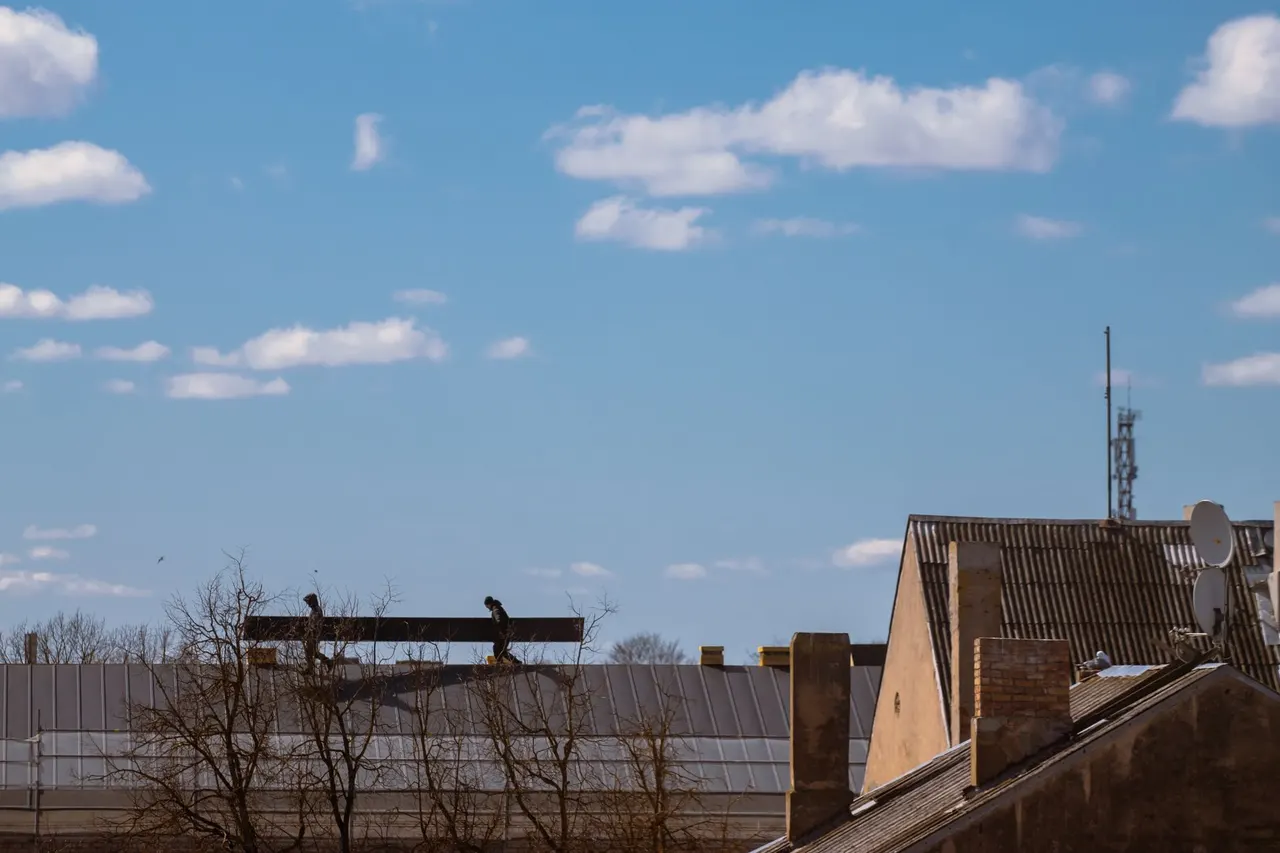
We find the low spot, repair any seam damage it caused, and check the drains and scuppers to get water moving off the roof. If the ponding is structural, we tell you what it will take to correct it. Standing water works seams loose, grows algae, and adds weight to the roof structure. It also hides the leak source, because water enters somewhere other than where it ponds.

We remove the failed sealant, clean the joint, and apply new sealant rated for the surface. Where the membrane itself is compromised, we weld a new patch around the penetration instead of relying on sealant alone. Sealant dries out and pulls away from pipes, vents, and equipment curbs. Each gap is a direct path for water into the building, and it usually shows up as a ceiling leak after the first hard rain.
We reset or replace the fasteners, re-secure the membrane, and weld the area back down. If a section has too many failed fasteners, we tell you whether a larger repair makes more sense than spot fixes. Fasteners that back out leave the membrane unsecured, and the sheet moves with heat and wind. That movement opens seams and creates new breaches over time.
Water under a TPO sheet spreads sideways, so a two-foot seam leak can soak twenty feet of insulation. We isolate the breach and dry the area before we weld the patch, which stops the ceiling stain from growing and keeps your interior dry.
A single seam repair runs far less than replacing a whole roof section. Catching the leak while it is still a seam or a vent boot leak keeps you in patch territory instead of full tear-off territory, and that is the difference between a few hundred and several thousand dollars.
We heat-weld the patch into the existing TPO so it becomes one continuous sheet again, not a glued-on bandage. A properly welded patch holds through summer heat and winter rain, and it keeps your roof under its remaining service life instead of forcing an early replacement.
Ceiling tiles, insulation, and stored inventory all suffer when a flat roof leaks. Fixing the membrane protects the ceiling leak and attic leak problems before they start, and it keeps your tenants, staff, or family out of a building that smells like wet drywall.
Clear records you can keep and share.
Before and after images of the repair
Repair checked with water before we leave
Cost confirmed before work begins
Water on a flat roof rarely enters where the ceiling stain shows up. It gets under the membrane and travels sideways, so finding the source matters more than patching the symptom.
Heat-welded seams are the most common leak point on TPO roofs. Summer heat and winter rain work them loose over time, and a lifted seam lets water straight under the sheet.
Standing water works seams open and hides where the breach actually is. We check drains and scuppers along with the membrane so water moves off the roof.
A patch that is glued or taped on will not hold through summer heat. Heat-welding fuses the new material into the existing sheet so the repair stays sealed.
Not sure if we cover your area? Call and ask. (626) 640-8498
Most single-leak TPO repairs in Alhambra run $350 to $900 in 2026, depending on access, how far the water traveled, and whether insulation needs replacing. A simple seam weld is on the low end. A leak that soaked a large section of insulation and requires a bigger patch sits higher. We give you the exact price after the inspection, before any work starts.
The most common causes we find on Alhambra flat roofs are failed heat-welded seams, loose or corroded fasteners, cracked sealant around penetrations, and ponding water that works seams open over time. Summer heat and winter rain both stress the membrane. An infrared scan tells us which one is causing your leak instead of us guessing.
We do. Roof Repair Alhambra Pros handles TPO roof leak fixing in Alhambra and the surrounding areas, including San Gabriel, Monterey Park, and Rosemead. Call (626) 640-8498 and describe what you are seeing. We schedule a visit, usually the same day for active leaks, and we come with detection gear, not just a caulking gun.
Yes. Seam leaks are the most common TPO failure we repair. We cut back the failed seam, clean and dry the membrane, then heat-weld a new strip over it so it bonds into the existing sheet. A properly welded seam repair holds through heat and rain, and we flood-test it before we leave to confirm it is sealed.
Water coming in does not wait, and neither should you. Call (626) 640-8498 and we will schedule a same-day inspection for active leaks, find the source, and give you a clear price before we start. We hold a California Contractor License (C-39 Roofing) and work across Los Angeles County.
Call us at (626) 640-8498 or email info@roofrepairalhambrapros.com. We answer the phone during business hours and respond to emergency calls after hours. Same-day estimates are available for most jobs in Alhambra and surrounding areas.